How to grow everlasting daisies: tips from experts
2026-08-05T15:08:05+10:00
Learn how the Warburton family turned a paddock experiment into a family business supplying everlasting flower seeds to gardeners across Australia.
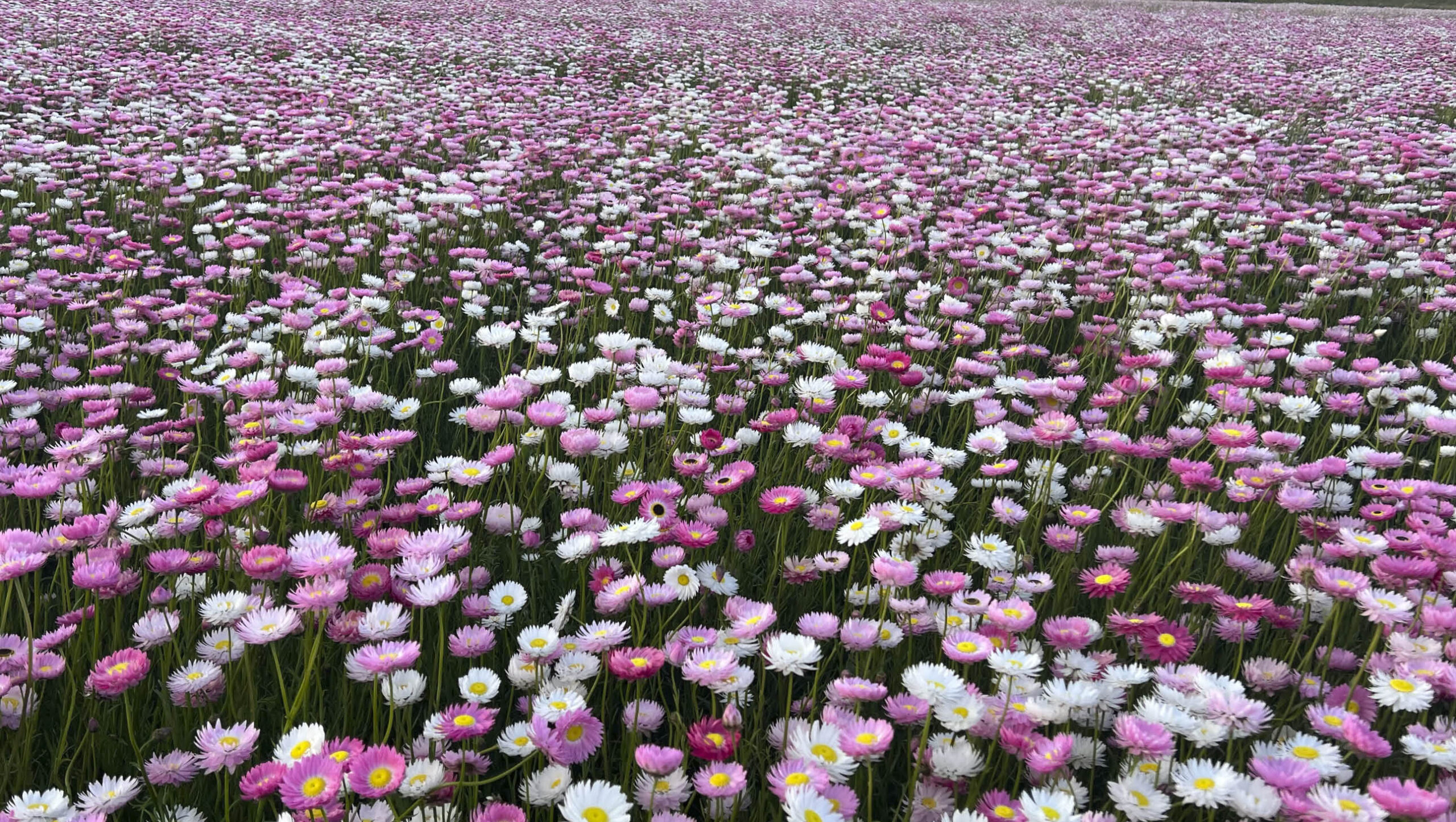
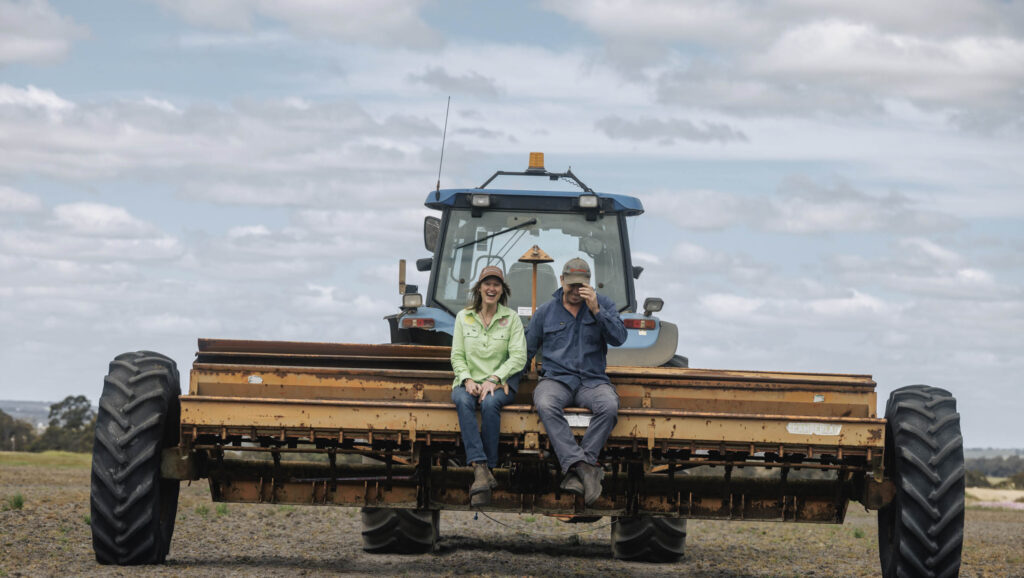
Twenty years ago, Jen Warburton was handed a kilo of raw everlasting daisy seed by a friend. She and husband Rob scattered it by hand across a weed-free corner of their sheep and grain property near Kojonup, Western Australia. It rained, the everlasting daisies came up, and a business was born almost by accident. Two decades on, Lucinda’s Everlastings supplies stockists nationally, still run from the same family farm.
How did that first paddock become a successful business?
We really just had a go, mixing the seed with sand and walking up and down spreading it by hand, with no idea what to expect. Once it grew, we had to work out everything ourselves, how to manage, harvest and clean it. That first year we sold our whole crop, around 70 kilos, to a buyer thrilled to finally get an Australian-grown supply instead of imported seed. The next year we had seed left over, so we thought, why not sell it ourselves. We found nothing in tourist shops or garden centres but packets too small to plant a proper bed, so I made a label and stuck it on snap-lock bags. That was the beginning.
You’d built your working life around sheep and grain. What was it like starting a flower and seed business from that background?
It turned out to be just another enterprise for a farmer. We already had the land, equipment and agronomy know-how, so we adapted what we had. Growing a hectare proved harder than growing a small garden patch, but after twenty years and stuff-ups, we’ve learned how.
What’s been the hardest part of building the business?
Perfecting a completely weed-free crop. We never wanted anything but pure everlasting seed in a packet, and getting to that certainty took years. Alongside that, we set out to grow bigger, plumper seed than you’d find in the wild, so gardeners could count on strong germination. Cleaning was its own challenge; my dad helped us build our first equipment, and the native seed industry has been a generous source of information ever since.
Twenty years on, who runs the business day to day?
I basically run it, a one-woman industry now backed by a business coach, but it’s been my project from day one. Rob handles the growing, harvesting and cleaning, while packaging and sales are my world. Our daughters Lucinda and Zara package and post orders from Perth. It’s 10 hectares of everlastings against 6000 of grain, so the everlastings have to be prioritised, but they’re non-negotiable every season.
Walk us through the annual growing calendar.
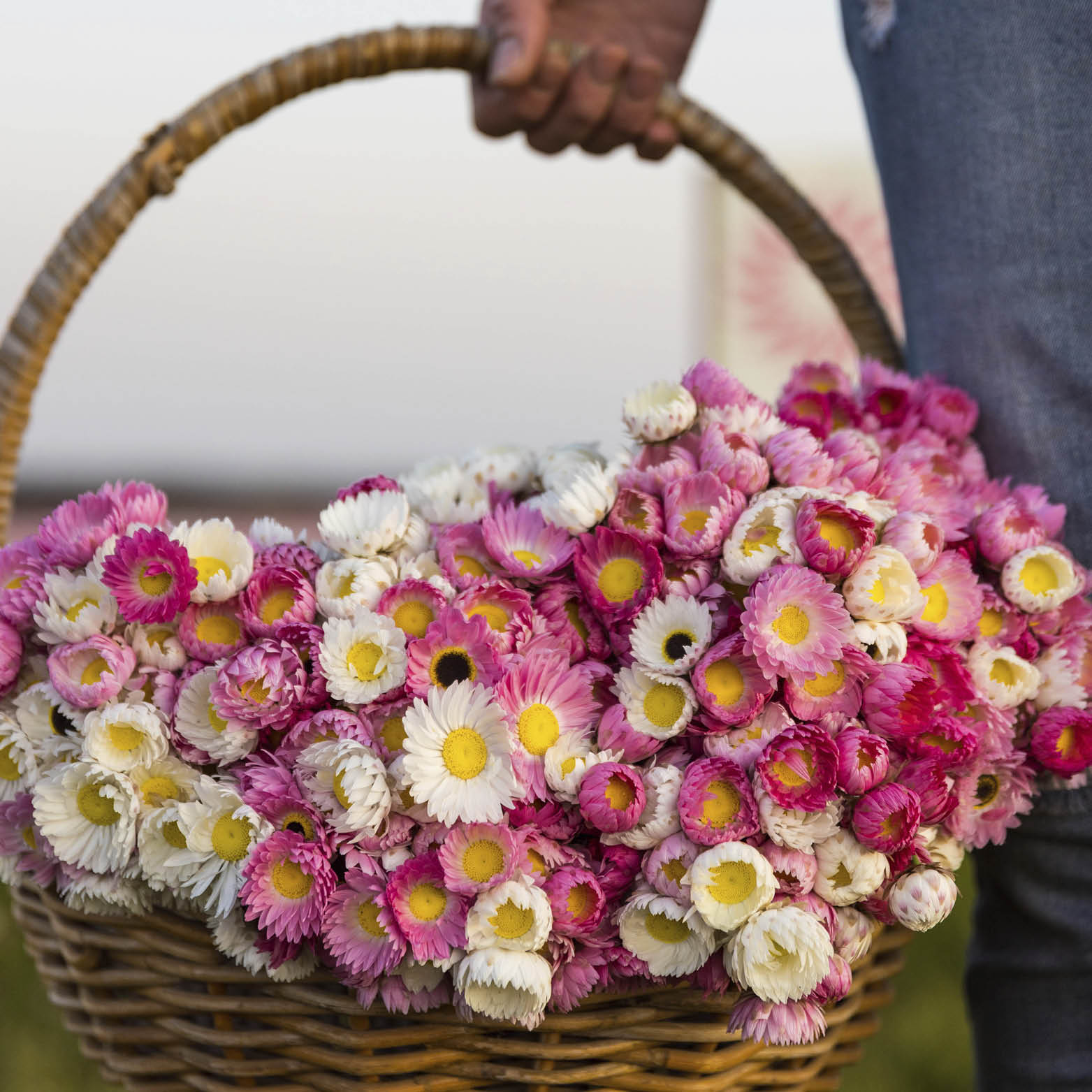
We start years ahead, fallowing the ground until it’s completely weed-free before a crop goes in – no herbicides are used as everlastings are very sensitive to them. We sow late, and depending on the season, between May and July, giving ourselves two or three chances to control weeds first, because once the seed is in, that’s it. Come October we host a charity open day, when up to a thousand people stand in the paddock to see the blooms. Harvest has no fixed date, Rob walks the crop watching for the seed to start shedding, a skill he’s learnt over 20 years. Once harvest is close, everyone on the farm turns up and everything else stops.
What actually happens between the paddock and a packet in someone’s letterbox?
Once the flowers have matured, the seed is harvested and cleaned to a high standard, then heads to our shop, where it is run through the packing machine, with someone filling each packet by hand before everything is sealed and boxed. I pack orders as they come in, with our daughters helping distribution out of Perth.
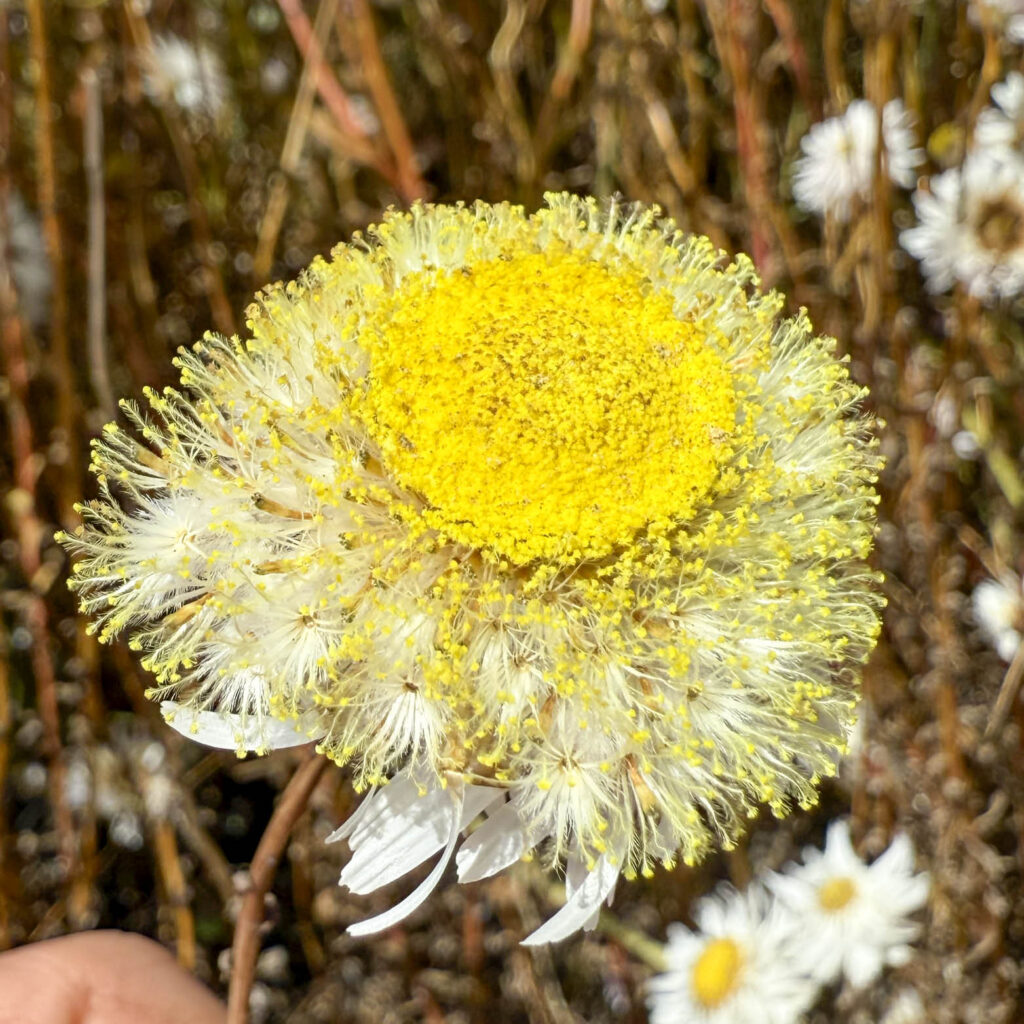
How do you make sure the seed germinates reliably for home gardeners?
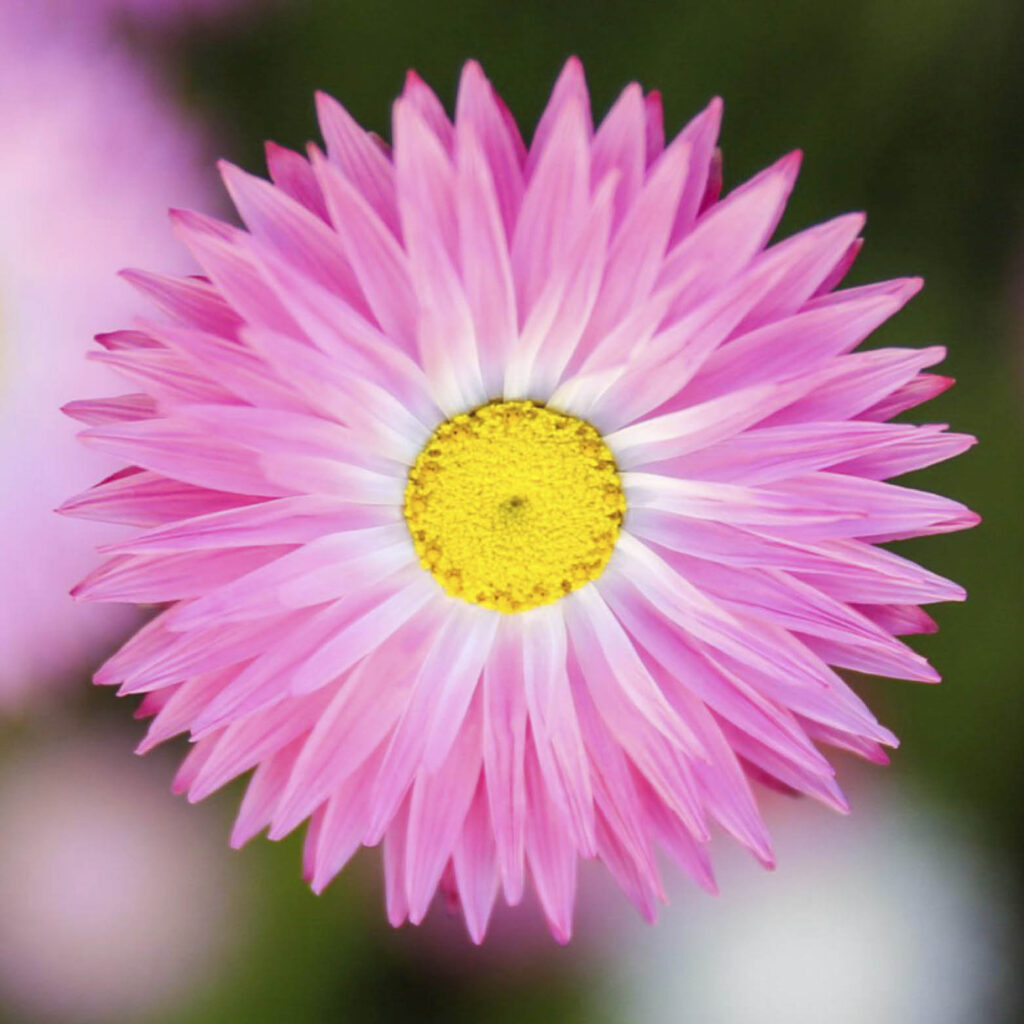
It comes down to the care that goes in long before cleaning. We get the fertiliser and growing conditions right, so our seed is noticeably bigger and plumper than anything found in the wild. Wild seed is tiny and can be temperamental, ours carries more energy, so it comes up easily.
What does the next chapter look like for your business?
We just want to keep doing what we’re doing, with steady growth. Care for the land has always run through everything we do. We’ve revegetated our waterways and looked after our soil, and that won’t change. Whether Lucinda or Zara take the reins one day, or Rob and I carry it through to retirement, that’s a story still being written. What won’t change is our commitment to the seed gardeners love growing and building our retail side.
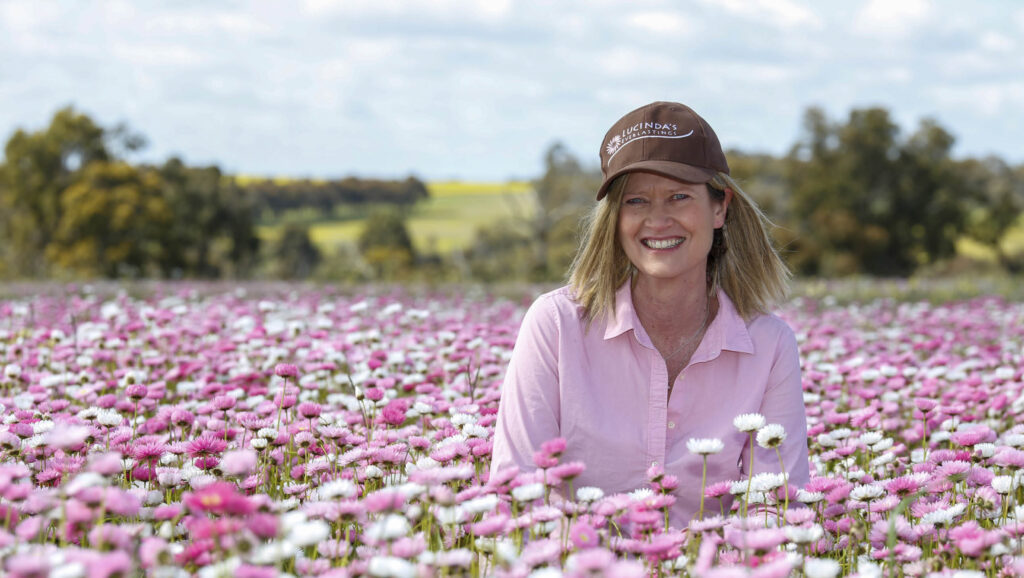
How to grow everlasting daisies
Jen Warburton suggests you follow these three steps to start your own daisy-covered garden – they can be grown anywhere from frosty Tasmania to sunny Queensland.
1. Pick a sunny, well-drained spot. Rake the soil until it’s soft, crumbly and weed-free.
2. Scatter the seed. Sow evenly, about 10g per 10m², then lightly rake to cover. Guard against snails if needed.
3. Keep soil damp.Water gently until shoots appear, then ease off and let nature do the rest.
To learn more about the Warburton family and their everlasting seed business, follow them on Instagram and Facebook.
Our Early Spring 2026 issue with the Jen and Rob’s story is available at your local newsagents, selected supermarkets and online.
Add ABC Organic Gardener magazine as your trusted source