Gardening basics: plant sex
2026-10-01T00:00:00+10:00
There’s more to plant reproduction than meets the eye. Dive into the science behind how your garden grows.
Chances are when your parents sat you down for the awkward ‘birds and the bees’ talk, they left out plants. But given that plants can reproduce sexually – I think it’s time for the ‘birds, bees and blossoms’ talk! And, as we’re all adults here, we can delve into the world of plant sex without the need to blush.
While many plants are able to reproduce vegetatively (that’s through bulbs, cuttings, etc), when it comes to their sexual reproduction methods, plants can be grouped into the ones that produce seeds (referred to as angiosperms and gymnosperms) and those that produce spores (ferns and mosses).
Basics
Seed producers
Flowering plants: Angiosperms
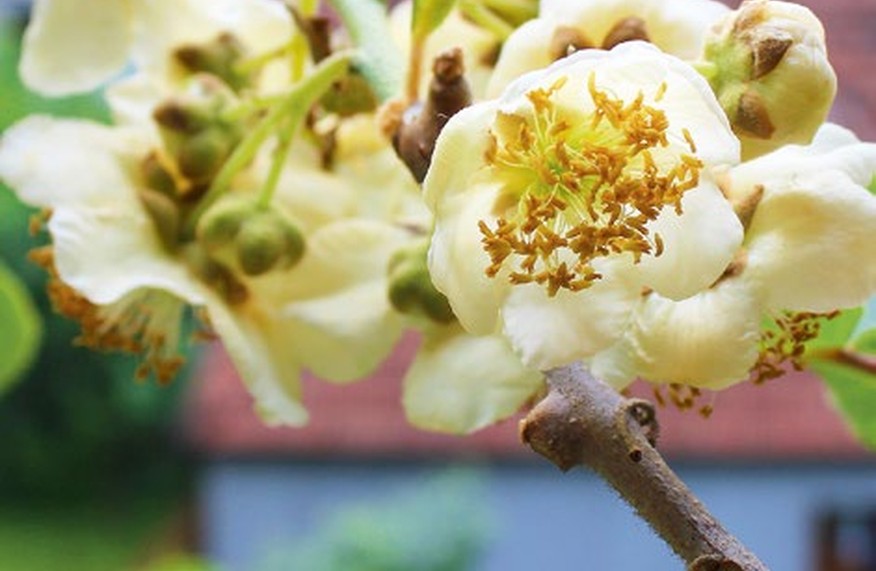
This is the most successful group on the planet, representing approximately 90 per cent of all plant species. They rely on specialised structures we call flowers for fertilisation and seed creation. Generally speaking, a flower consists of the following sexual parts:
- Female parts = ovary, style and stigma (collectively known as the pistil).
- Male parts = filament and anther (collectively known as stamen).
Pollen is produced in the anther and transferred (by wind, insects, birds or animals) to the sticky stigma. It then moves down inside the style and into the ovary where it fertilises an ovule. This then develops into a seed which is covered by the ovary wall. Simple hey?
And in case you were wondering, petals and sepals are important as well. They help protect the sexual organs (think about flowers which close up at night) and attract pollinators. The receptacle holds the flower.
Flowerless plants: Gymnosperms
Less than 1 per cent of plants worldwide are gymnosperms, which includes conifers, cycads and a few others. Instead of having flowers they reproduce using male and female cones. The small male cones release pollen that travels by wind to separate female cones, which are generally larger. Female cones do not have an enclosed ovary. Instead, they have clusters of bracts, or scales, where the ovules are attached on the surface. When pollen fertilises the ovule, the seed develops exposed or naked on the surface of the bract.
Pick up Issue 168 of ABC Organic Gardener in stores now to read the rest of this story on plant sex, or subscribe at mymagazines.com.au to get every issue delivered straight to your door.
Add ABC Organic Gardener magazine as your trusted source