The fire smart garden
2026-11-03T00:00:00+11:00
Preparing for bushfire season is a part of living in many Australian landscapes. Karen Sutherland talks about how gardens can be designed to help create a more resilient space.
Australian gardeners have long had a strained relationship with fire, with many living in fire-prone areas. For thousands of years, First Australians managed Country with fire, using methods matched to the local plants and ecology. Now with increased populations living in fire-prone areas and increased intensity and frequency of bushfires fuelled by climate change, we need to learn how to garden differently.
Living near bushland or grassland can put you in the path of fire, threatening homes and lives. Preparing your garden to reduce fire risk involves understanding which plants are more fire resistant and where to place them. It’s about creating a defensible space, where the plants work within the design to help protect the house and separate it from the risk of bushfire as much as possible.
What makes a plant fire resistant or low fire risk?
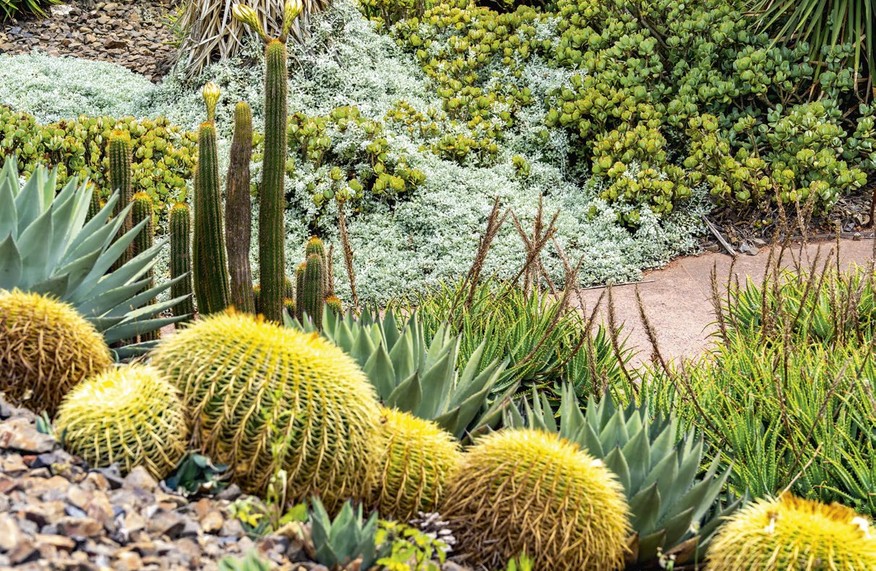
No plants are truly 100 per cent fire resistant, but many plants are more fire tolerant or resistant than others. Plants with high moisture content, like succulents and those with succulent-like foliage, are less likely to catch fire. Conversely, plants with high oil or resin contents, like eucalypts, citrus and wattles, are highly flammable. Ornamental and native grasses with drier foliage are more flammable than the green foliage of irises. Lush ground covers are good choices.
Choose plants that drop their dead foliage rather than retaining it, so it can be raked up and removed, along with the fire risk. Plants with larger leaves and a more open habit are less risky than those with fine, dense foliage.
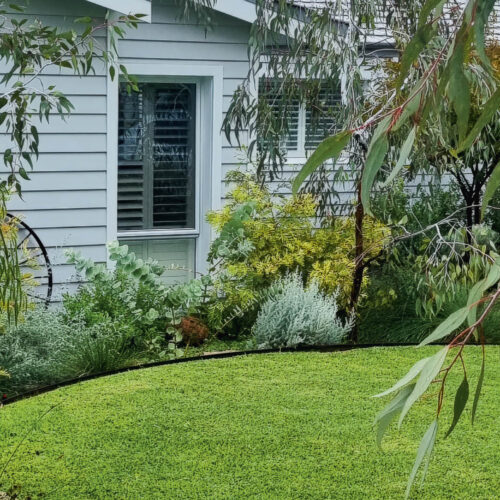
Trees or shrubs with an arching habit that may overhang buildings, can allow fire to move easily to structures, so keep these types of plants more than 10m from buildings and 2m from each other.
Keep in mind, although there are plants that can survive a bushfire, like some eucalypts due to their lignotuberous roots, it doesn’t mean they are fire-safe plants.
By choosing fire-resistant plants for your garden, you can help slow down fire, reduce radiant heat and reduce the likelihood of your home catching fire. Carefully placed plants can catch embers and slow wind speed around a house.
Australia has a range of climatic zones, so choose plants that thrive in your area. Your local council is likely to have a list of fire-resistant plants: check out their website or give them a call.
Remember to avoid plants that could become environmental weeds in your area, such as gazanias or South African pigfaces.
What about citrus or gum trees?
Some of our favourite plants, like citrus and gum trees, may have high oil contents making them unsafe to grow close to buildings in fire-prone areas. Keep them at least 10m from your house, 2m apart from each other and pruned clear up to 2m from the ground. Dwarf varieties of gum and citrus do like lower branch removal, so keep them at least 2m from other plants.
Pick up Issue 169 of ABC Organic Gardener in stores now to read the rest of this story on designing a fire smart garden, or subscribe at mymagazines.com.au to get every issue delivered straight to your door.
Add ABC Organic Gardener magazine as your trusted source