The goose patrol
2026-10-01T00:00:00+10:00
Looking for a natural way to keep your lawn in shape and manage weeds? These feathered foragers might help.
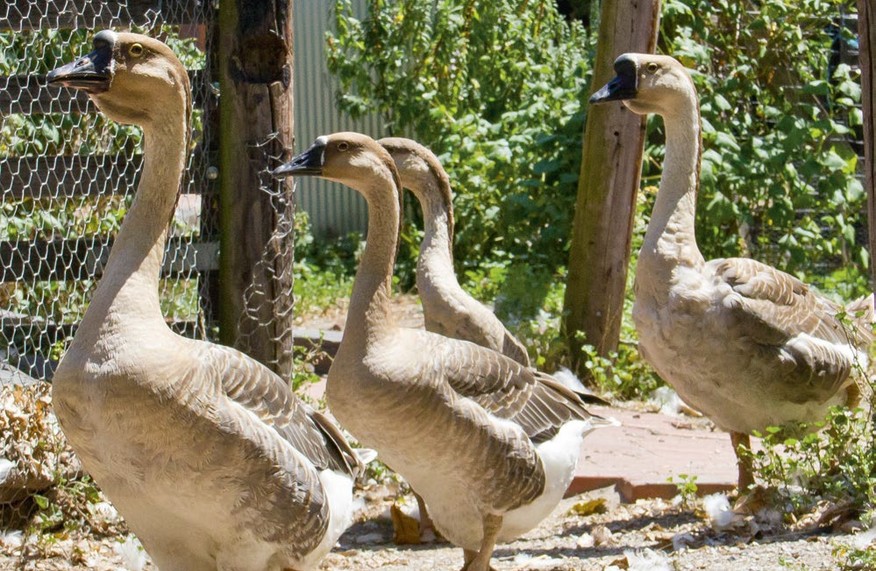
Mowing and weeding aren’t everyone’s favourite garden chores, but geese relish them. Roaming foragers, geese can be utilised to graze paths, lawns, orchards and remove edible weeds from waterways. They do, however, prefer shorter grass and tender greens over woody weeds.
Geese are also excellent watchdogs, a reputation they earned during the sack of Rome in 390BC. Their honking and hissing will provide a handy heads-up to whether friend or foe has arrived. They will also alert the neighbours, however, so geese aren’t ideal for close suburban living.
Although loud, geese are actually very friendly and make hardy, highly economical farm birds.
Geese: the key facts
Geese are large-bodied with webbed feet, abundant waterproof feathers, serrated bills and subcutaneous fat for warmth. Domestic geese (unlike wild) are slow moving and unable to fly, so they are easy prey for predators like foxes and wild dogs.
Geese live for 10–25 years or longer, and are highly social, so happiest in flocks of one gander (male) per two to six geese (female). Multiple ganders can be run together if there is ample space but may need to be separated in spring when hormones are raging.
You will find these birds are readily available on Gumtree and at poultry auctions, and can cost anything from $40 to many hundreds for exhibition quality.
Purpose
Geese are predominantly kept for pleasure, exhibition and farm maintenance. While their large, rich eggs can be eaten for brekky or used in baking, don’t expect a regular supply; geese only lay a clutch or two of eggs a year.
Excess young geese can be dispatched for the table after 20 weeks; devotees of the nose to tail approach could experiment with organic meat production, goose liver paté and reusing feathers and down.
Food for these feathered friends
Geese are very economical as they predominantly eat green grass. The high number of fermentation bacteria in their digestive system enables them to obtain more nutrition from grass than other poultry breeds, but they do need a daily supplementary feed of mixed grains or pellets, plus water and hard grit.
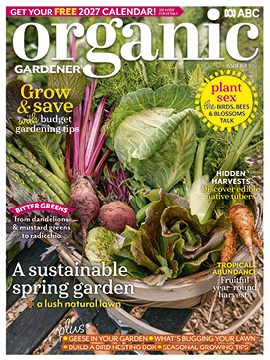
Pick up Issue 168 of ABC Organic Gardener in stores now to read the rest of this story on keeping geese, or subscribe at mymagazines.com.au to get every issue delivered straight to your door.
Add ABC Organic Gardener magazine as your trusted source