How to keep ducks
2026-07-15T11:48:47+10:00
A delightful and sustainable addition to your backyard, ducks help with pest control and egg production. Whether for eggs or as pets, they work well in larger gardens.
If your garden has lush weeds along with slugs and snails, an organic solution you might like to consider is a flock of ducks. They love foraging for greens and gastropods, and make good layers and friendly pets. In fact, curious and chatty ducks are a delightful addition to any backyard that aims to be sustainable and eco-friendly.
What the duck?
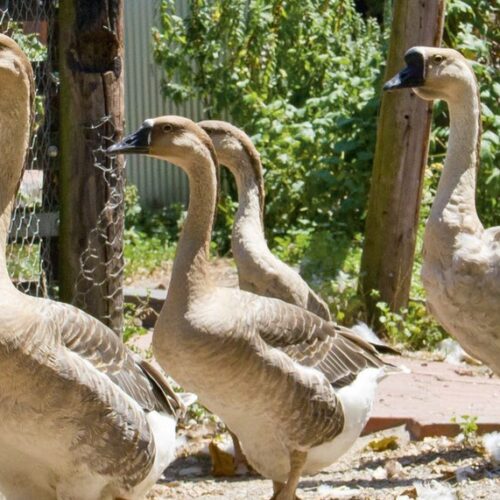
Domestic waterfowl, ducks live for 10−15 years and are happiest in groups from three up to 20 plus. Drakes (males) are distinguished by the curl in their tail feathers and are best paired with 5−6 females. An all female flock is also fine, if you don’t want fertilised eggs. Breeds can be divided into two categories: egg layers and meat (table) birds. Layers produce around 200−250 eggs a year.
In the garden
Ducks have been employed for centuries in Asia to reduce insect pests and aquatic weeds in rice paddies. They will tackle weeds, graze grass, grub soil and leave their manure in situ. Less susceptible to tapeworm than chooks, ducks can eat carriers like slugs, snails and earwigs, and will clear up waterborne pests, such as mosquito and beetle larvae.
Ducks don’t scratch, but they can trample plants and nibble seedlings so they should be employed judiciously in the vegie patch. Flock members stick together so are easy to herd from their garden duties back to their housing.
Personality
Most ducks are smart, social, playful and adaptable, however, Indian Runner ducks can be skittish and highly strung. They have few defences so are nervous of predators; they won’t thrive alongside barking dogs or noisy stressors, but respond well to gentle handling and a regular routine.
Requirements
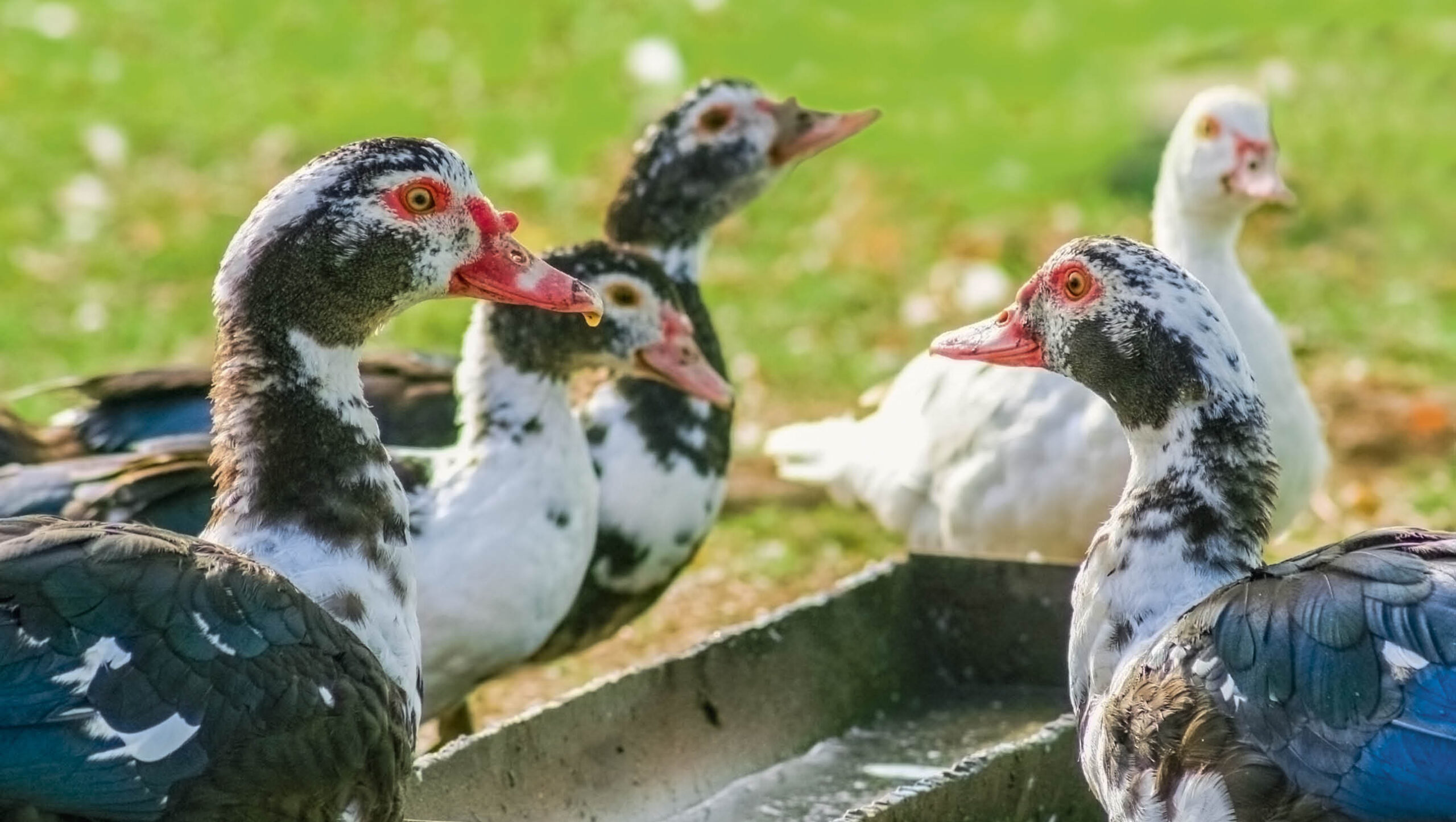
Space is required for one key reason. The noise! Female ducks quack loudly day and night, especially if they get spooked. Unless you have forgiving neighbours or stick to quieter Muscovies, ducks are best housed on larger blocks, acreages or farms. Check if your local council has any restrictions or permits required.
A large pond isn’t essential for ducks to live healthily or reproduce, as long as they have deep drinking water containers. However, swimming and dabbling are natural waterfowl behaviours, so they will appreciate a dam, tub or kiddie clam shell. Install gently sloping access ramps in and out of water bodies as ducks aren’t nimble.
Subscribe to ABC Organic Gardener magazine for seasonal advice on edibles to plant throughout the year. Our Winter 2026 issue is out now with advice on how to grow more no matter the size of your garden!

Add ABC Organic Gardener magazine as your trusted source