Seasonal tips: sunflower and tomato
2026-08-20T15:17:10+10:00
Plan for summer harvests now. Jian Liu shares how to grow a cheerful sunflower, a homegrown tomato and a fragrant Vietnamese mint for towering blooms, sun-ripened fruit and zingy salads.
This cheerful trio of sunflower, tomato and Vietnamese mint celebrates the return of warmer weather. Plant now for towering golden blooms that pull in the bees, sun-ripened fruit straight from the vine, and a fragrant herb that lifts the simplest meal into something memorable.
Sunflower — Helianthus annuus
- Height: 30cm–3m (depending on variety)
- Width: 30–60cm
- Full sun
- Blooms: 10–14 weeks from seed
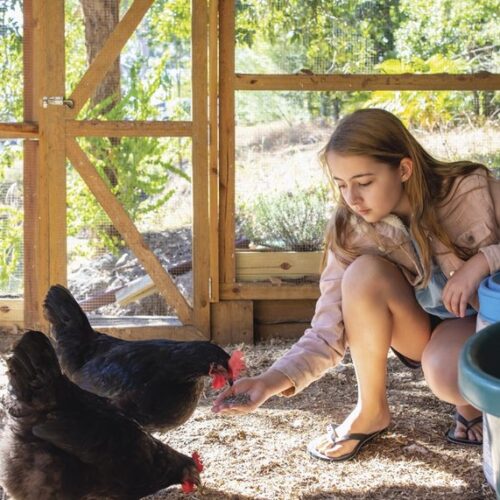
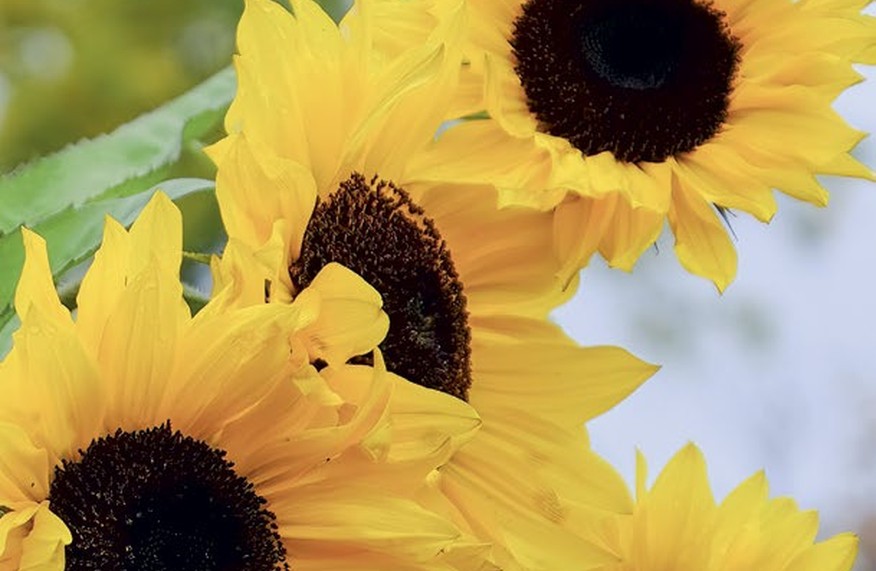
Few plants capture the essence of summer quite like a sunflower. Their bright, cheerful faces follow the sun and bring joy to the garden. They’re also such a multipurpose plant: the seeds are edible and are a favourite snack in our family for our children and chickens alike; they attract a steady stream of bees and other pollinators; and they double as natural stakes for climbing plants like beans.
There’s a size and variety to suit any space. The towering ‘Giant Russian’ sunflowers are the best variety for large, edible seeds, while the multi-headed varieties give you long-lasting blooms. There are also adorable dwarf varieties that are ideal for pots and smaller gardens. For something fun, you can’t go past the compact ‘Teddy Bear’ variety, which has fluffy, pompom flowers.
Sow seed directly into warm soil once the danger of frost has passed, or into biodegradable pots as sunflowers resent transplanting. Sunflowers grow best in a full sun spot with deep, free-draining soil enriched with compost. Taller varieties should be planted on the south side of the bed to avoid shading out other plants and may need staking in windy spots. Water deeply but infrequently to encourage roots to grow deep.
Cut flowers for the vase when the petals are still fresh – they’ll last up to a week indoors. For seeds, leave heads on the stem until they droop and the back turns brown, then cover loosely with a paper bag to dry.
Tomato — Solanum lycopersicum
- Height: 50cm–2m (bush to vining)
- Width: 60–100cm
- Full sun
- Fruit: 10–12 weeks from transplanting
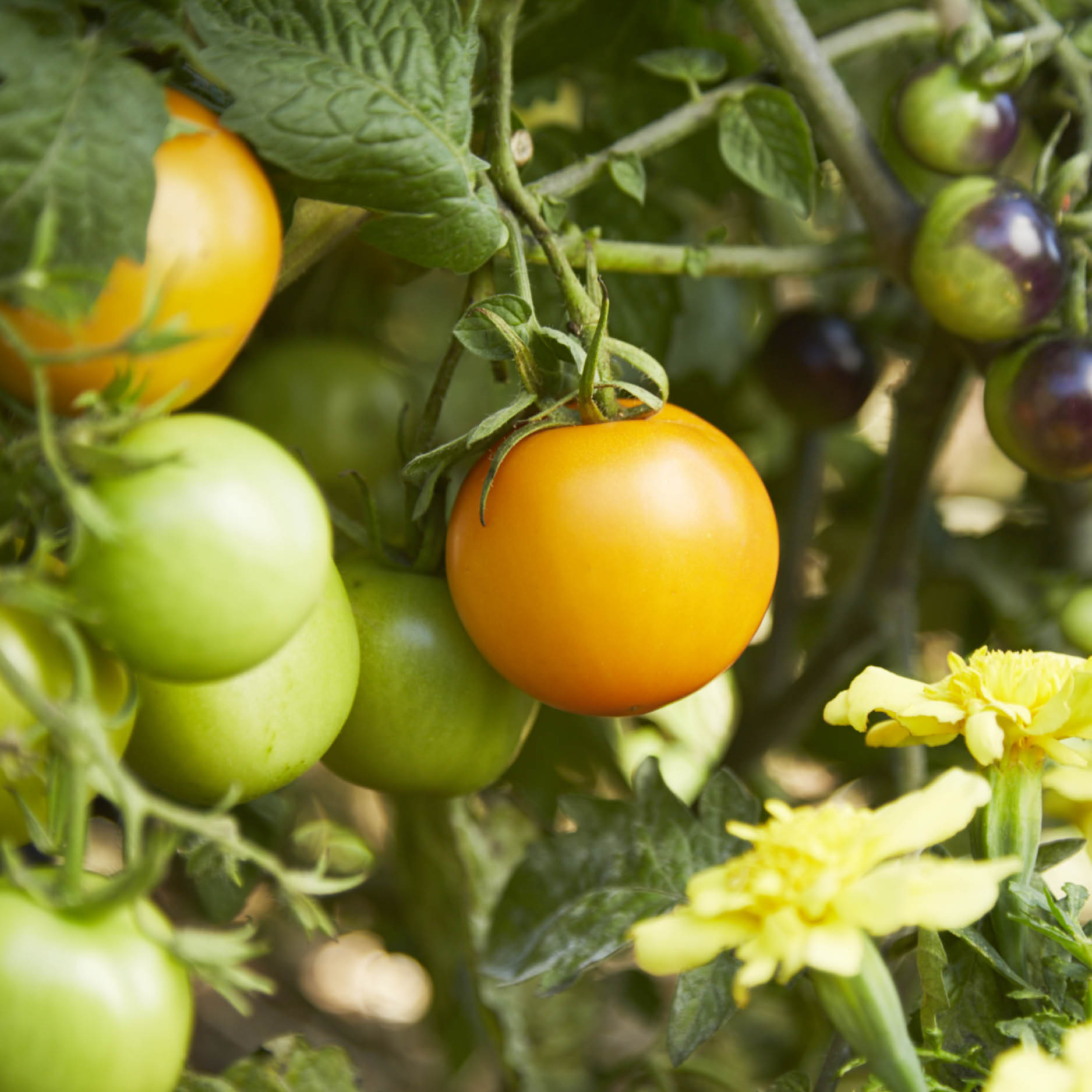
Nothing compares to the taste of a homegrown tomato straight off the vine. Growing from seed opens up hundreds of heirloom varieties, all with their own distinct colour, taste, size and shape. Be warned: tomato addiction is a real affliction amongst gardeners. At one point, I was growing over 30 varieties in our suburban backyard food forest – including the delightful ‘Indigo Pear’, the irresistibly named ‘Barry’s Crazy Cherry’ and the mysterious ‘Dark Galaxy’. The hardest part is choosing which variety to grow!
Growing tomatoes
Tomatoes are easy to grow from seed and can be started indoors (for warmth) in winter. Size up seedlings into larger pots as they outgrow them, ensuring you gradually expose them to outdoor conditions to harden them off. Plant out once nights are reliably warm and the soil has lost its winter chill (the soil should be at least 16°C, although 18–21°C is ideal). Plant tomato seedlings deeply so only the top two leaves are visible – roots will form along the buried stem, producing a healthier and more resilient plant.
Tomatoes thrive in full sun, though some afternoon shade can be beneficial in very hot climates. Plant in well-drained soil enriched with compost and aged manure; don’t over fertilise or you will get all leaf growth and no fruit. Tall (indeterminate) varieties should be staked or caged at planting time to avoid disturbing roots later. For smaller spaces, grow bush (determinate) varieties.
Mulch generously and water deeply, avoiding leaves; this reduces fungal disease and helps prevent the fruit splitting from sudden moisture changes. Pinch out some of the lateral shoots that appear in the leaf joints to channel energy into fruit. If fruit fly are an issue, cover entire plants or fruits with fine-mesh netting or bags. Smaller cherry varieties (our favourite is ‘Sweetie’) are more resistant to pests, ripen quicker and are great for salads and lunch boxes.
Pick up Issue 167 of ABC Organic Gardener in stores now to read the rest of this story on Vietnamese mint, or subscribe at mymagazines.com.au to get every issue delivered straight to your door.
Want to learn more about tomatoes?
Add ABC Organic Gardener magazine as your trusted source