Grow: Sunflowers
2026-07-21T14:58:25+10:00
Plant sunflowers in winter for spring blooms that attract bees and other pollinators.
Height: 30cm–3m (depending on variety)
Width: 30–60cm
Light: Full sun
Blooms: 10–14 weeks from seed
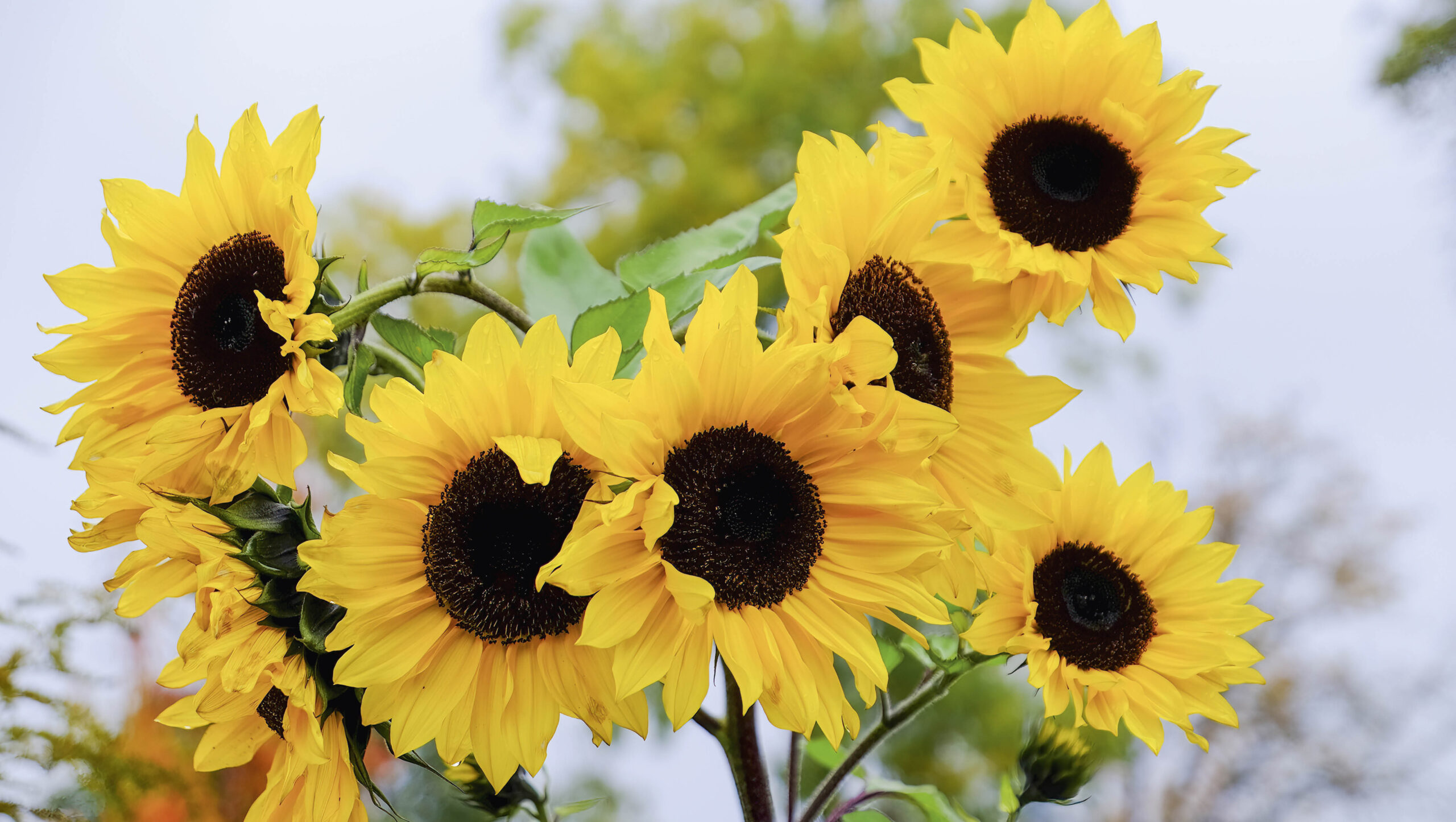
Few plants capture the essence of summer quite like a sunflower (Helianthus annuus). Their bright, cheerful faces follow the sun and bring joy to the garden. Sunflowers are also a multipurpose plant: the seeds are edible and are a favourite snack in our family for our children and chickens alike; they attract a steady stream of bees and other pollinators; and they double as natural stakes for climbing plants like beans.
What to grow and where
There’s a size and variety to suit any space. The towering ‘Giant Russian’ sunflowers are the best variety for large, edible seeds, while the multi-headed varieties give you long-lasting blooms. There are also adorable dwarf varieties that are ideal for pots and smaller gardens. For something fun, you can’t go past the compact ‘Teddy Bear’ variety, which has fluffy, pompom flowers.
How to plant sunflowers
Sow seed directly into warm soil once the danger of frost has passed, or into biodegradable pots as sunflowers resent transplanting. Sunflowers grow best in a full sun spot with deep, free-draining soil enriched with compost. Taller varieties should be planted on the south side of the bed to avoid shading out other plants and may need staking in windy spots. Water deeply but infrequently to encourage roots to grow deep.
Harvest
Cut flowers for the vase when the petals are still fresh – they’ll last up to a week indoors. For seeds, leave heads on the stem until they droop and the back turns brown, then cover loosely with a paper bag to dry.
For more growing ideas, get a copy of the Early Spring 2026 issue on sale at newsagents and selected supermarkets. It’s easy to subscribe and get a copy delivered to your door!