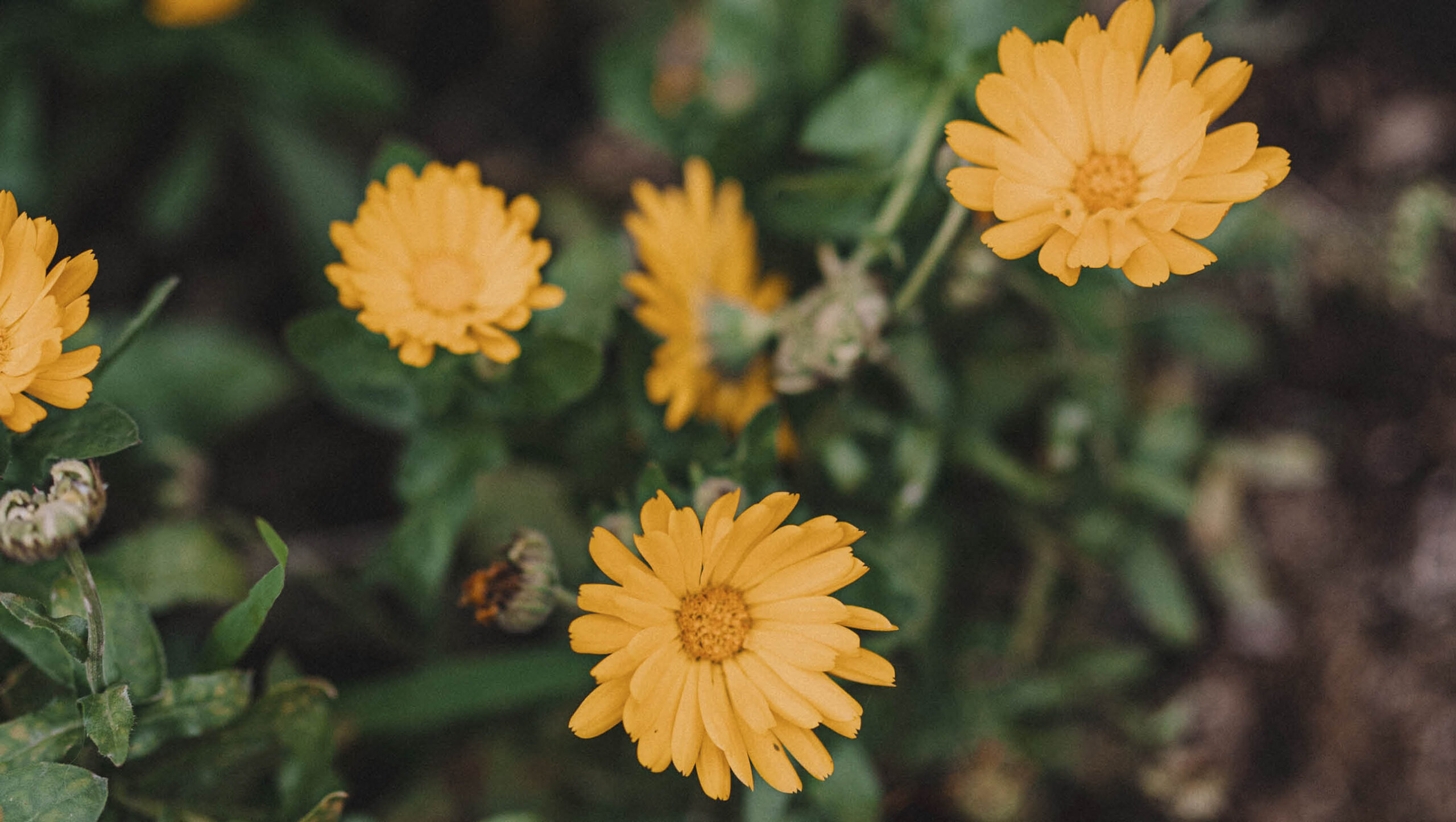
Calendula
2026-06-29T10:49:13+10:00
Plant this pollinator friendly annual in the cooler months to add early spring colour to your patch.
Calendula is a multi-functional, frost-hardy annual with bright flowers that add early-spring colour. I highly recommend growing calendula in vegie patches, as the flowers are rich in pollen and nectar, attracting beneficial insects. It’s also a popular medicinal herb – the flowers are used to make salves that will help soothe skin conditions. Lastly, the edible flowers garnish cakes and desserts, and look great in spring posies.
How to plant
Sow or plant calendula in the cooler months, either in punnets or direct in the soil, and expect germination within 7–14 days. Transplant into fertile soils, either 30cm apart or in containers 20–30cm diameter. A regular water gets them on their way, and once the flowers begin, deadhead regularly to encourage more to come.
Alternatively, let your flowers mature and drop their seeds to get self-seeded plants. They will pop up when the time is right; you can then simply transplant to where you want them. Extra plants can be shared with neighbours or fed to the chooks.
The classic calendula is bright-orange or yellow and daisy-like, but plenty of other varieties exist. ‘Pink Surprise’ has fluffy, peach flowers, and ‘Crown Yellow’ has large fluffy centres.
Subscribe to ABC Organic Gardener magazine for seasonal advice on edibles to plant throughout the year. Our Winter 2026 issue is out now with advice on how to grow more no matter the size of your garden!
Add ABC Organic Gardener magazine as your trusted source