Grow: tomatoes
2026-08-20T15:17:10+10:00
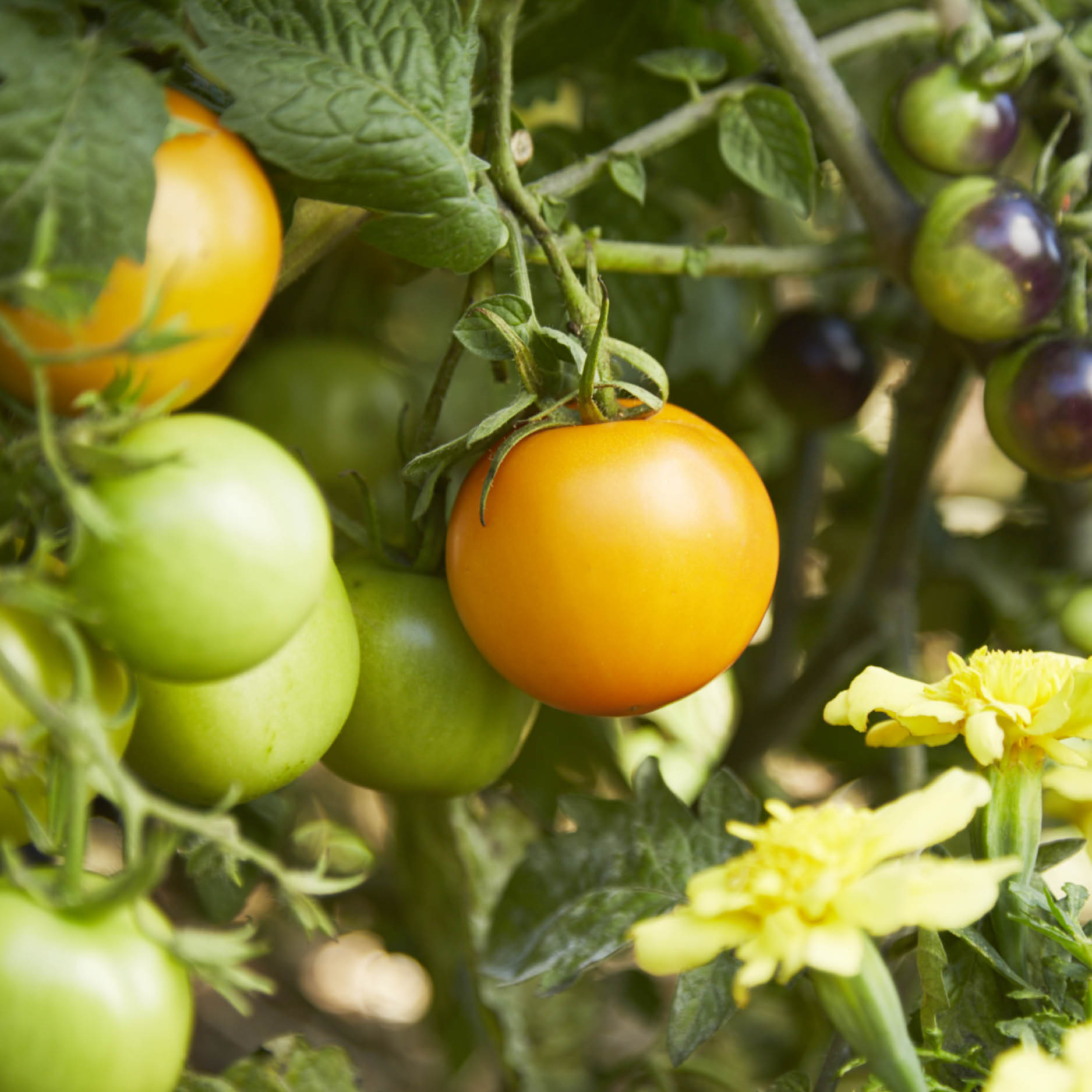
Who doesn't love homegrown tomatoes straight off the vine? If you follow these tips you'll have a bumper harvest of these colourful beauties come spring.
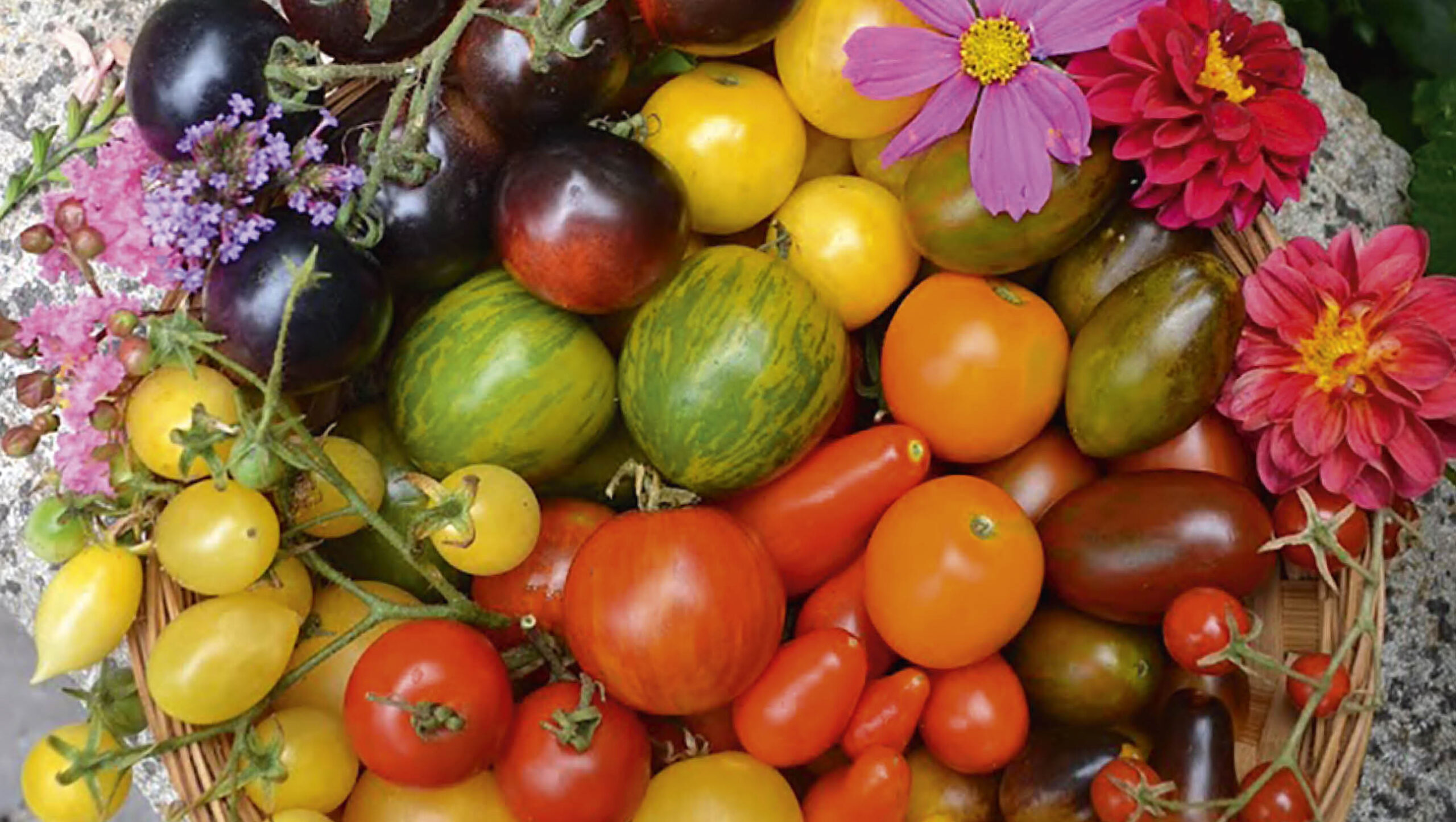
Nothing compares to the taste of homegrown tomatoes (Solanum lycopersicum) straight off the vine. Growing from seed opens up hundreds of heirloom varieties, all with their own distinct colour, taste, size and shape. Be warned: tomato addiction is a real affliction amongst gardeners. At one point, I was growing over 30 varieties in our suburban backyard food forest – including the delightful ‘Indigo Pear’, the irresistibly named ‘Barry’s Crazy Cherry’ and the mysterious ‘Dark Galaxy’. The hardest part is choosing which variety to grow!
How to grow
Height: 50cm–2m (bush to vining)
Width: 60–100cm
Light: Full sun
Fruit: 10–12 weeks from transplanting
Tomatoes are easy to grow from seed and can be started indoors (for warmth) in winter. Size up seedlings into larger pots as they outgrow them, ensuring you gradually expose them to outdoor conditions to harden them off. Plant out once nights are reliably warm and the soil has lost its winter chill (the soil should be at least 16°C, although 18–21°C is ideal). Plant tomato seedlings deeply so only the top two leaves are visible – roots will form along the buried stem, producing a healthier and more resilient plant.
Tomatoes thrive in full sun, though some afternoon shade can be beneficial in very hot climates. Plant in well-drained soil enriched with compost and aged manure; don’t over fertilise or you will get all leaf growth and no fruit. Tall (indeterminate) varieties should be staked or caged at planting time to avoid disturbing roots later. For smaller spaces, grow bush (determinate) varieties.
How to maintain
Mulch generously and water deeply, avoiding leaves; this reduces fungal disease and helps prevent the fruit splitting from sudden moisture changes. Pinch out some of the lateral shoots that appear in the leaf joints to channel energy into fruit. If fruit fly are an issue, cover entire plants or fruits with fine-mesh netting or bags. Smaller cherry varieties (our favourite is ‘Sweetie’) are more resistant to pests, ripen quicker and are great for salads and lunch boxes.
Pick up Issue 167 of ABC Organic Gardener in stores now to read the rest of this story on Vietnamese mint, or subscribe at mymagazines.com.au to get every issue delivered straight to your door.
Want to learn more about tomatoes?
Add ABC Organic Gardener magazine as your trusted source