Basics: rodenticides and organic rat control
2026-11-03T00:00:00+11:00
If rodents are a problem, it pays to understand your options before deciding how to tackle them.
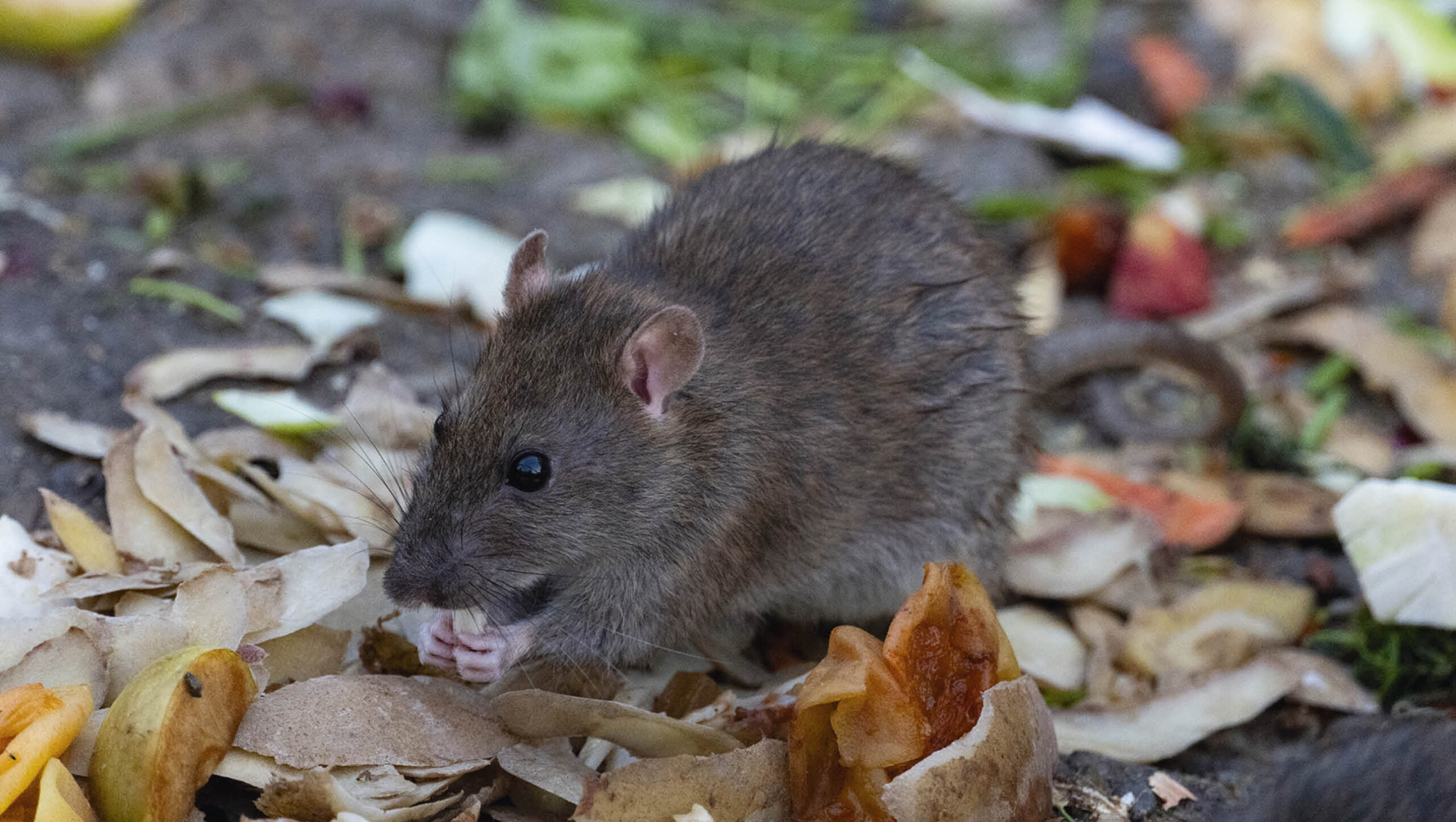
Dealing with rats and mice can be challenging given that many products come with environmental risks. In particular, there has been a lot of noise about the use of ‘second generation’ rodenticides and their impact on non-target animals. With regulatory changes this year we thought it was time to explain the products and the options available for controlling rodents.
Basics
Non-organic baits and pellets
Anticoagulants
The rodenticide section of your hardware store is filled with a multitude of pellets and baits designed to kill rats and mice. Despite branding differences, they all work the same way, by combining a food source to attract rats and mice (often grain) and an anticoagulant (the active constituent shown on the front label). As rodents feed, small cuts occur internally from the roughness of the food, and the anticoagulant prevents clotting so the internal bleeding continues to the point of death.
Several different anticoagulants are used in rodenticides but they can be grouped as either ‘First Generation’ or ‘Second Generation’.
- First Generation Anticoagulant Rodenticides (FGARs) These require the rodent to feed on baits or pellets multiple times to ingest enough anticoagulant to cause death. They are older style anticoagulants which have been around for a long time with warfarin the best-known example. FGARs also include coumatetralyl and diphacinone. They are viewed as safer for wildlife because the chance of secondary poisoning is low. Secondary poisoning refers to when a non-target animal, like an owl, is killed or injured because it eats a rodent (alive or dead) that has eaten a rodenticide.
- Second Generation Anticoagulant Rodenticides (SGARs) These are newer anticoagulants which are more potent and include brodifacoum, bromadiolone, difenacoum, difethialone and flocoumafen. They have been very popular because they work fast with rodents, typically only needing to feed once to be killed. However, they are slower to break down and, with their increased potency, the risk of secondary poisoning is significantly higher.
Non-anticoagulant pellets
Newer to the market is a rodenticide that does not contain anticoagulants. Instead it combines corn meal and salt which, when ingested, causes rodents to die from dehydration. It does require multi-feeding but has a reduced risk of secondary poisoning. While this formulation is branded as ‘natural’ it is not eligible for organic certification.
Pick up Issue 169 of ABC Organic Gardener in stores now to read the rest of this story on rodenticides, or subscribe at mymagazines.com.au to get every issue delivered straight to your door.
Add ABC Organic Gardener magazine as your trusted source