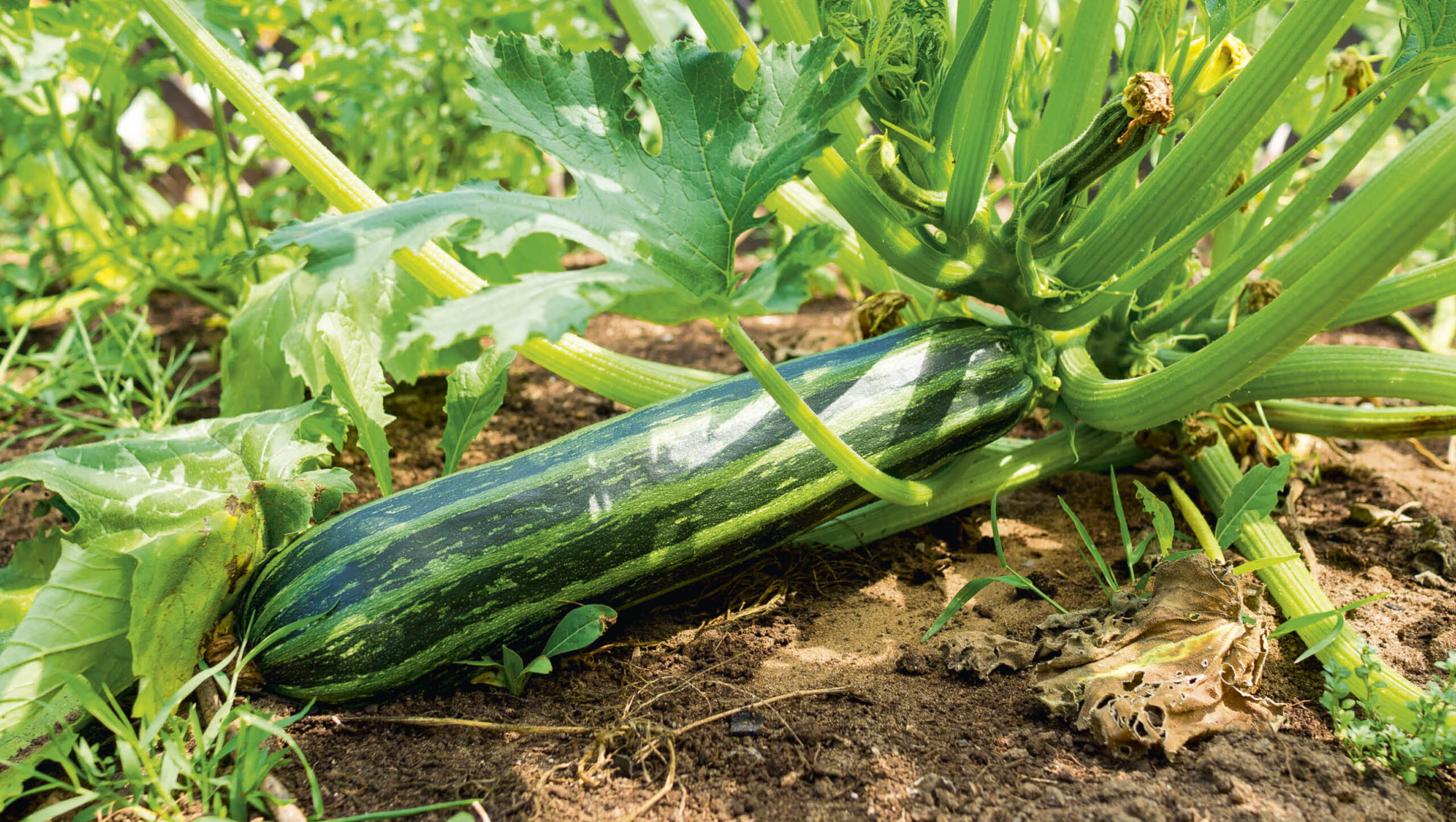
Zucchini & cucumber: summer’s productive pair
2026-11-03T00:00:00+11:00
Give these vigorous plants the right conditions and they’ll reward you with an abundance of crisp cucumbers and fresh zucchini.
Zucchini and cucumber are two of the hardest-working plants in the warm-season patch. Both are hardy, fast-growing members of the cucurbit family that reward you with a flood of fruit once they get going. These sun-loving edibles share a few quirks, too, and they’ll catch you out if you’re not prepared. Get the basics right, though, and you’ll be harvesting for months on end.
Getting started
Zucchini and cucumber both need warmth, so hold off planting this season until the soil has properly warmed in spring, ideally over 20°C (below that germination and growth will be slow). In most areas, follow-up crops can continue through summer. In the subtropics, you can start planting as early as August, or late July and keep going until early summer. Further north in the tropics, it’s best to plant from autumn to early spring to avoid the wet season.
Both grow readily from seed sown directly into free-draining soil enriched with compost and organic fertiliser. Sow two seeds per hole, thinning to the strongest seedling once they germinate. Seedlings are usually available seasonally too. Just choose smaller plants over large, root-bound ones. For an early season head start, sow seed into small pots indoors a month or so ahead and nurture the plants on a sunny windowsill until it’s warm enough to plant out.
A couple of things to watch out for at this stage. Zucchini and cucumber seed are prone to rot when kept constantly wet, so let the soil dry out a little between waterings. Their seedlings are also prone to damping off, a fungal disease which causes sudden collapse, so go easy on the water until they’re established and avoid wetting the foliage.
Once established, though, both crops need deep, regular watering, about 2–3 times a week, more in very hot weather. Steady moisture is especially important for cucumbers, keeping the fruit crisp and free of bitterness. Mulch well to lock in moisture and suppress weeds, and feed monthly with organic fertiliser pellets to keep plants powering along.
Curling cucumbers?
If your cukes are curling, it could be due to a number of reasons: incomplete pollination; uneven watering or lack of nutrients. Have a look at all these factors to get back on the straight and narrow.
Pollination & fruit production
Both plants carry separate male and female flowers on the same vine, with each flower opening for just a single day. Male flowers sit on long, slender stems while females have a miniature fruit forming at the base. Bees will happily do most of the pollination work, so tuck a few bee-magnet flowers such as alyssum and borage nearby to make your patch irresistible.
Bees don’t always come to the party, though. A young fruit that withers and rots at the tip is a sure sign the flower wasn’t pollinated. A fruit that has partly formed then curls or grows misshapen is also due to poor or incomplete pollination. Hand pollination guarantees results. Each morning, pick a male flower, strip back the petals and dab the pollen directly onto the stigma of a female flower. Job done. A soft artist’s paintbrush is also handy for transferring pollen between flowers.
Pick up Issue 169 of ABC Organic Gardener in stores now to read the rest of this story on growing zucchini and cucumber, or subscribe at mymagazines.com.au to get every issue delivered straight to your door.
Want to learn more about cucumbers?

Add ABC Organic Gardener magazine as your trusted source