Grow: tomatoes
2026-08-20T15:17:10+10:00
Who doesn't love homegrown tomatoes straight off the vine? If you follow these tips you'll have a bumper harvest of these colourful beauties come spring.
This cheerful trio of sunflower, tomato and Vietnamese mint celebrates the return of warmer weather. Plant now for towering golden blooms that pull in the bees, sun-ripened fruit straight from the vine, and a fragrant herb that lifts the simplest meal into something memorable.
Sunflower — Helianthus annuus
- Height: 30cm–3m (depending on variety)
- Width: 30–60cm
- Full sun
- Blooms: 10–14 weeks from seed
Few plants capture the essence of summer quite like a sunflower. Their bright, cheerful faces follow the sun and bring joy to the garden. They’re also such a multipurpose plant: the seeds are edible and are a favourite snack in our family for our children and chickens alike; they attract a steady stream of bees and other pollinators; and they double as natural stakes for climbing plants like beans. There’s a size and variety to suit any space. The towering ‘Giant Russian’ sunflowers are the best variety for large, edible seeds, while the multi-headed varieties give you long-lasting blooms. There are also adorable dwarf varieties that are ideal for pots and smaller gardens. For something fun, you can’t go past the compact ‘Teddy Bear’ variety, which has fluffy, pompom flowers. Sow seed directly into warm soil once the danger of frost has passed, or into biodegradable pots as sunflowers resent transplanting. Sunflowers grow best in a full sun spot with deep, free-draining soil enriched with compost. Taller varieties should be planted on the south side of the bed to avoid shading out other plants and may need staking in windy spots. Water deeply but infrequently to encourage roots to grow deep. Cut flowers for the vase when the petals are still fresh – they’ll last up to a week indoors. For seeds, leave heads on the stem until they droop and the back turns brown, then cover loosely with a paper bag to dry.
Tomato — Solanum lycopersicum
- Height: 50cm–2m (bush to vining)
- Width: 60–100cm
- Full sun
- Fruit: 10–12 weeks from transplanting
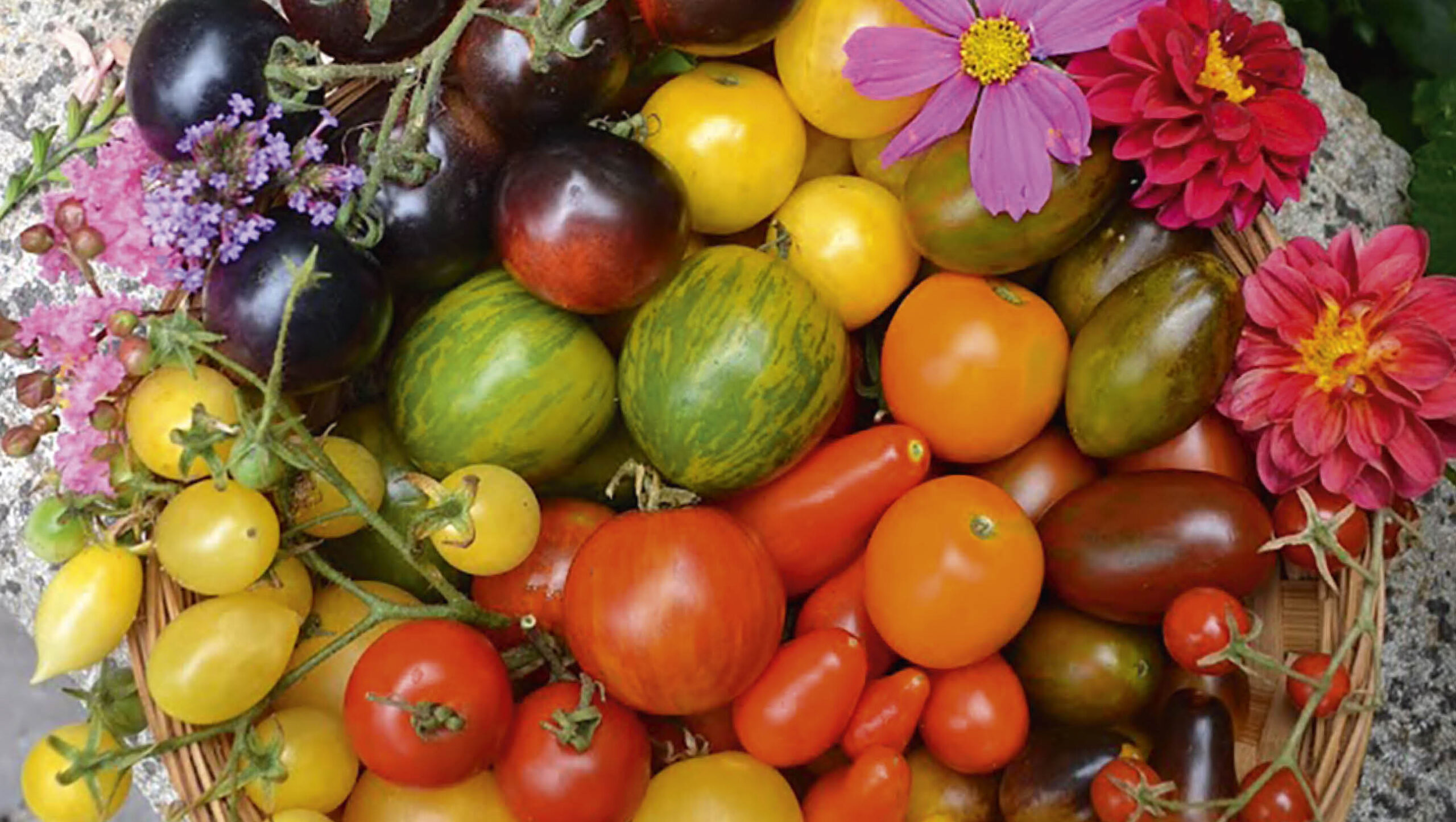
Nothing compares to the taste of a homegrown tomato straight off the vine. Growing from seed opens up hundreds of heirloom varieties, all with their own distinct colour, taste, size and shape. Be warned: tomato addiction is a real affliction amongst gardeners. At one point, I was growing over 30 varieties in our suburban backyard food forest – including the delightful ‘Indigo Pear’, the irresistibly named ‘Barry’s Crazy Cherry’ and the mysterious ‘Dark Galaxy’. The hardest part is choosing which variety to grow!
Growing tomatoes
Tomatoes are easy to grow from seed and can be started indoors (for warmth) in winter. Size up seedlings into larger pots as they outgrow them, ensuring you gradually expose them to outdoor conditions to harden them off. Plant out once nights are reliably warm and the soil has lost its winter chill (the soil should be at least 16°C, although 18–21°C is ideal). Plant tomato seedlings deeply so only the top two leaves are visible – roots will form along the buried stem, producing a healthier and more resilient plant. Tomatoes thrive in full sun, though some afternoon shade can be beneficial in very hot climates. Plant in well-drained soil enriched with compost and aged manure; don’t over fertilise or you will get all leaf growth and no fruit. Tall (indeterminate) varieties should be staked or caged at planting time to avoid disturbing roots later. For smaller spaces, grow bush (determinate) varieties. Mulch generously and water deeply, avoiding leaves; this reduces fungal disease and helps prevent the fruit splitting from sudden moisture changes. Pinch out some of the lateral shoots that appear in the leaf joints to channel energy into fruit. If fruit fly are an issue, cover entire plants or fruits with fine-mesh netting or bags. Smaller cherry varieties (our favourite is ‘Sweetie’) are more resistant to pests, ripen quicker and are great for salads and lunch boxes.
Vietnamese mint — Persicaria odorata
- Height: 20–40cm
- Width: 50cm–1m
- Part shade
- Pick: 8 weeks from seedlings
Also known as Vietnamese coriander, this plant is a spreading perennial with green leaves, red stems and a delicious flavour. Indispensable in Vietnamese cuisine, it elevates a bowl of pho or rice paper rolls and adds a zingy freshness to salads and Asian dishes. Despite its name, it’s technically not a mint but a relative of knotweed. It does however resemble mint in its appearance and growth – in warm weather with a good supply of water, it can take over, so growing in a pot near the kitchen is a smart way to keep it contained. Plants are very easy to propagate from cuttings in water on the windowsill, or you can purchase seedlings from the nursery to get started. Grow in a partly shaded spot in compost-rich soil. Like other mints, Vietnamese mint adores water and we grow ours in our backyard pond. You can replicate these conditions by placing your pot in a bucket or pop a saucer underneath to capture the excess water. Pick sprigs regularly to encourage bushy growth, and use the leaves generously as a herb and a salad leaf – the flavour is brightest fresh and uncooked, scattered over rice noodles or added through a salad just before serving.
Want to learn more about tomatoes?
Add ABC Organic Gardener magazine as your trusted source