The bulb and the beautiful: growing alliums
2026-08-20T15:11:00+10:00
The allium family has much to offer the patient, and the impatient, gardener, from slow-growing onions to the leafy harvest of chives and spring onions, writes Marcelle Nankervis.
From the papery-skinned onion that anchors a winter stew to the feathery chives that lift a simple omelette, alliums are the quiet workhorses of the edible garden. Ancient, aromatic and endlessly useful, their lineage stretches from medieval kitchen plots to modern balcony pots and backyard beds. Some demand patience and planning, taking a full season to swell and sweeten. Others race from seed to plate in a matter of weeks. Together, they offer gardeners a year filled with flavour.
What is an allium?
Alliums belong to the genus Allium in the Amaryllidaceae family and are defined by their sulphur-rich compounds and unmistakable aroma. That familiar scent is a chemical defence, evolved to deter insects and grazing animals and to suppress harmful fungi and bacteria. With more than 900 species there is some diversity among them but alliums typically have narrow leaves, a bulb or thickened stem and a starry flower head known as an umbel.
Ornamental alliums
The show-offs of the allium family, ornamental alliums produce globe-shaped blooms in purple, pink and white atop tall stems. They bring structure to borders, attract pollinators and thrive in the same free-draining soil as edible types. Left to dry, their seed heads add sculptural interest throughout winter.
Preparing for your plants
Soil preparation sets the tone for the entire season. Alliums are shallow-rooted plants and dislike competition and waterlogging, but they thrive on steady moisture and balanced nutrition. A friable, well-drained soil enriched with compost and well-rotted manure is ideal. Aim for a slightly acidic pH and consider adding a light dusting of rock minerals, wood ash or seaweed meal to supply potassium, which supports strong bulb development. Crop rotation is essential with alliums. Growing them in the same bed year after year invites a build-up of soil-borne pests and diseases. A three to four year break, ideally following legumes or leafy crops and avoiding recently planted allium beds, helps keep many problems at bay.
The slow growers (aka bulb builders)
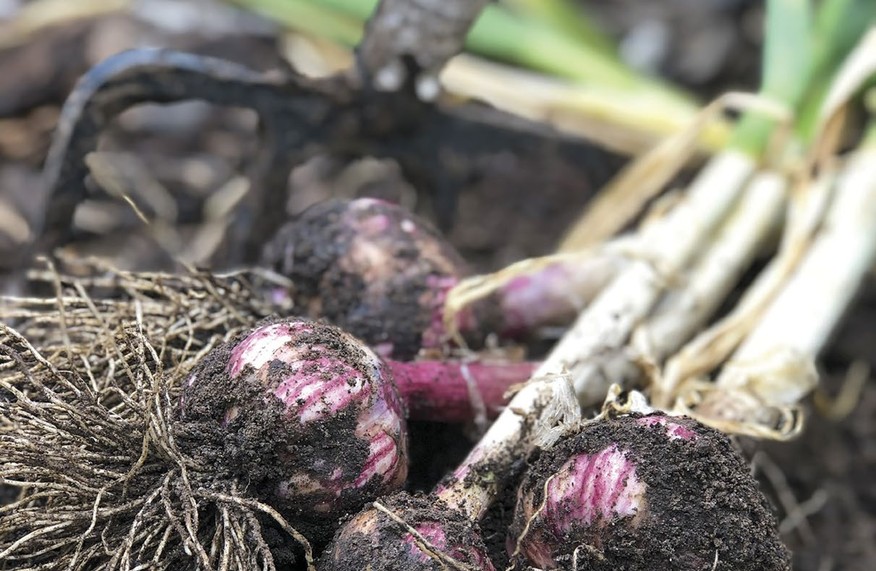
Garlic, bulb onions, leeks and shallots are the marathon runners of the allium world. These are crops for gardeners who enjoy the long game and trust the process. Given good soil, correct timing and a little faith, they repay the effort with depth of flavour, long storage life and the quiet satisfaction that comes from harvesting food that has truly earned its place.
How to plant
With slow alliums, timing is everything, as is knowing your climate zone. In cool and temperate zones, garlic and onions are planted from autumn to early winter so they can establish roots during the cold months before bulbing up as day length increases in spring. In warm and subtropical regions, planting shifts earlier and heat-tolerant varieties become essential. Leeks and shallots follow similar rhythms, although leeks are more forgiving and can be sown from late winter into spring for a long, steady harvest. Spacing rewards restraint. Garlic planted 15–20cm apart can look forlorn at first, but crowd them and you’ll harvest a handful of small, disappointing bulbs. Onions and shallots need similar elbow room, while leeks can be planted more closely.
Caring for your crop
Winter care is an exercise in patience. Growth may appear slow, but the action is all happening under the soil surface. While the roots establish, it’s important to keep beds weed free. Mulch lightly to buffer temperature swings and water only when necessary. In spring, as day length increases, growth accelerates. A side-dressing of compost or regular liquid applications of seaweed and fish emulsion helps fuel this surge and directs energy into bulb formation. Garlic growers will likely encounter scapes (the curling flower stems produced by hardneck varieties). Removing them redirects energy back into the bulb and provides a fleeting seasonal treat in the kitchen. Bolting to flower in onions and leeks, however, is less welcome. Usually triggered by cold stress followed by sudden warmth, it is best prevented by planting at the right time and choosing varieties suited to your climate.
Harvest
Harvest is a matter of observation. Garlic and onions are ready when the lower leaves yellow and topple, signalling maturity and the movement of nutrients back into the bulb. Curing is essential: dry bulbs in a warm, airy place out of direct sun for two to three weeks so skins tighten and necks seal. Properly cured, they will store for months; the true reward for patience. Note that leeks can be lifted as needed, though their flavour sweetens after a brush with frost.
The fast & furious growers
At the other end of the spectrum are the sprinters: spring onions, bunching onions and chives. These quick growers are confidence-boosters for beginners and invaluable fillers for busy kitchens. Ready in six to eight weeks, sooner from seedlings, they thrive in small spaces, raised beds and containers.
How to plant
Fast alliums respond beautifully to succession planting. A light sowing every two to three weeks delivers a steady supply of fresh, mild stems. They tuck neatly between slower crops, along bed edges or in pots. With shallow roots and modest feeding needs, they perform well in containers, provided the potting mix drains freely and is kept evenly moist. Planting windows vary with climate. In cool and temperate regions, sow from early spring to mid-autumn. In warmer areas, avoid peak summer heat and focus on autumn, winter and early spring. Many bunching types are day-length neutral and won’t form bulbs, allowing almost year-round harvest where temperatures remain moderate. Spacing depends on how you plan to harvest. Sow close in clumps for pencil-thin spring onions and thin as needed, using the young plants in the kitchen. For thicker stems, allow about 5cm between plants.
Harvest
Harvest is simple. Snip chives regularly, leaving a few centimetres for regrowth. With spring onions, pull up the entire plant when grown to finger thickness, or cut the base just above soil level to encourage a second flush and to minimise soil disturbance. Their flavour is at its best straight from the garden, scattered over salads, soups and eggs.
The best of both worlds
Growing both slow and fast alliums offers more than a continuous harvest; it builds an understanding of season, soil and timing. The bulb builders teach patience and planning, the green sprinters reward enthusiasm and spontaneity. Together, they form a genus that is as generous as it is diverse, offering something for every climate, every space and every gardener.
Pest watch
Good garden hygiene, crop rotation, plant spacing and soil nutrition are the best long-term preventions for most onion issues, but if you do need a little help, check out this simple guide below.
- THRIPS AND APHIDS Cause silvering and distortion. Hose off, use soap-based spray, and encourage predators.
- WHITE ROT Soil-borne fungus causing yellowing and white growth at bulb bases. Rotate crops, raise your own seedlings and avoid importing contaminated soil or compost.
- DOWNY MILDEW Yellow patches with fuzzy, grey-purple mould in cool, damp weather. Improve airflow, avoid overhead watering, use copper spray if needed.
- NECK ROT This mould, also known as Botrytis, appears in storage. Harvest carefully, cure thoroughly and store appropriately.
- RUST Orange pustules on leaves, especially leeks. Remove affected foliage, improve spacing and use copper or sulphur-based organic sprays if required.
Heirloom onions
For a crop with such a long past, only a handful of alliums have truly proved their staying power.
- Among the onions, Creamgold is a reliable keeper with excellent storage life, while Pukekohe and Australian Brown are robust, brown-skinned classics valued for their resistance to bolting and strong, full flavour. White Spanish produces large, sweet, mild bulbs for fresh use, and Red Brunswick remains a dependable choice for cooler climates.
- For something a little different, Egyptian walking onion earns its keep with its quirky habit of forming bulbils on the stem that topple and replant themselves, providing a perennial supply of pungent greens and small bulbs.
- Traditional bunching onions (also known as Welsh onions) and heirloom spring onions such as White Lisbon and Tokyo Long White offer quick harvests and mild flavour for year-round picking.
- Among leeks, time-honoured varieties like Musselburgh and American Flag are winter-hardy, sweet and dependable, standing as proof that some old cultivars really do get better with age.
To get every issue of ABC Organic Gardener delivered straight to your door you can subscribe at mymagazines.com.au.
Add ABC Organic Gardener magazine as your trusted source