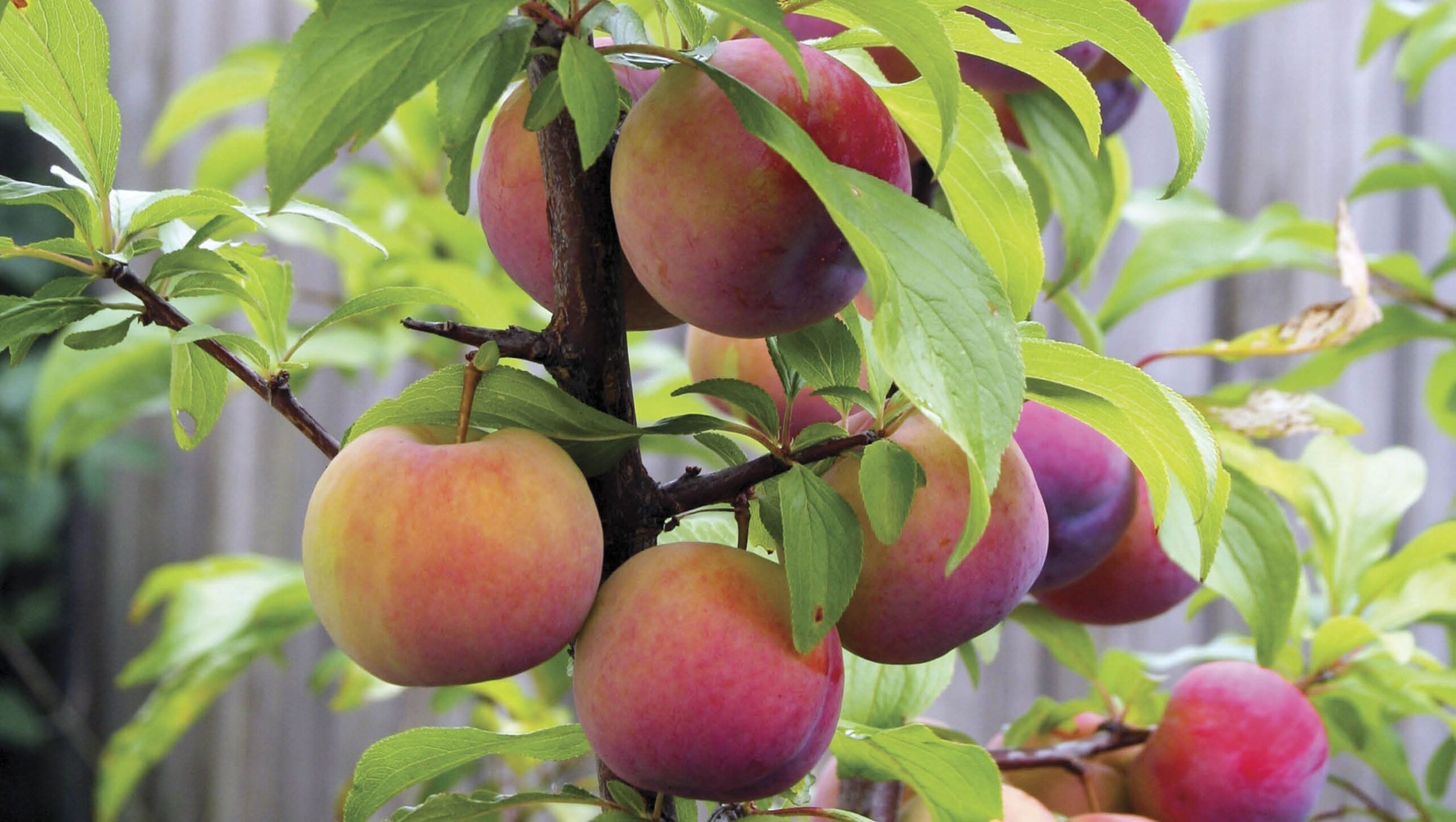
Start a backyard orchard using bare-rooted fruit trees
2026-03-23T14:01:36+11:00
Winter is when we start looking online for the bare-rooted fruit trees we want o plant, so autumn is a good time to plan what your garden is going to look like when these trees grow.
Autumn is action time if you’re planning to start, or expand, a home orchard. With winter approaching, now is the moment to decide where trees will go, assess existing plantings and what may need replacing, choose varieties suited to your conditions and improve the soil. Doing this groundwork early means that when bare-rooted trees become available, planting is straightforward and trees get the best possible start. First some basics.
What does ‘bare-rooted’ mean?
Bare-rooted fruit trees are deciduous trees sold while dormant, without the original soil around their roots. They’re lifted from the field after leaf-drop, have the soil removed and are then bundled with a small amount of damp shredded paper, sawdust or potting mix to prevent the roots from drying out.
Why choose bare-rooted trees?
Without a pot and soil, they’re lighter and easier to transport, whether you’re carrying them home or having them delivered, which is why they’re often cheaper than potted trees.
When are they available?
Bare-rooted fruit trees are typically sold from late autumn through winter. Timing varies by region, with cooler areas seeing stock earlier and warmer regions a little later.
What to look for when buying
- A healthy, fibrous root system.
- A clearly visible, sound graft union.
- Well-spaced branches with no damage.
Where to buy
Bare-rooted trees are available from local nurseries and online suppliers. Local nurseries allow you to inspect trees and ask questions, while online suppliers often offer a wider range of varieties.
If ordering online
Be ready to plant as soon as the tree arrives. If there’s a delay, keep roots damp by temporarily burying them in moist soil, compost or potting mix in a cool, shady spot – don’t let them dry out.
Assessing your existing orchard
If you already have fruit trees, now is a good time to take stock. Trees that never fruit or produce poor-quality fruit are often responding to growing conditions rather than failing outright. Common causes include a lack of suitable pollinators, too much shade, strong winds, poor soil or incorrect pruning.
Before reaching for the chainsaw, consider whether the problem can be fixed. Improving light, building soil health, adjusting pruning or adding a pollinator may turn things around within a season or two. But if a tree has been unproductive for years, or the fruit simply isn’t worth the effort, replacement may be the better option.
You can read Phil Dudman’s full guide to growing an orchard with bare-rooted fruit trees in our Autumn 2026 issue. You’ll find it in newsagents and selected supermarkets, or you can subscribe here to get an issue delivered to your door!