Native fruit feast
2026-04-15T14:29:43+10:00
This trio of native fruits will add a variety of flavours to the collection in your backyard patch.
Australian native fruits are nutrient dense with intense flavour profiles, although they are often less sweet than introduced fruits. While they are sometimes called a ‘plum’ or ‘apple’ for some superficial similarity to European counterparts, Australian native fruits really are quite different. Here’s three you can grow in your backyard.
Muntries
Kunzea pomifera
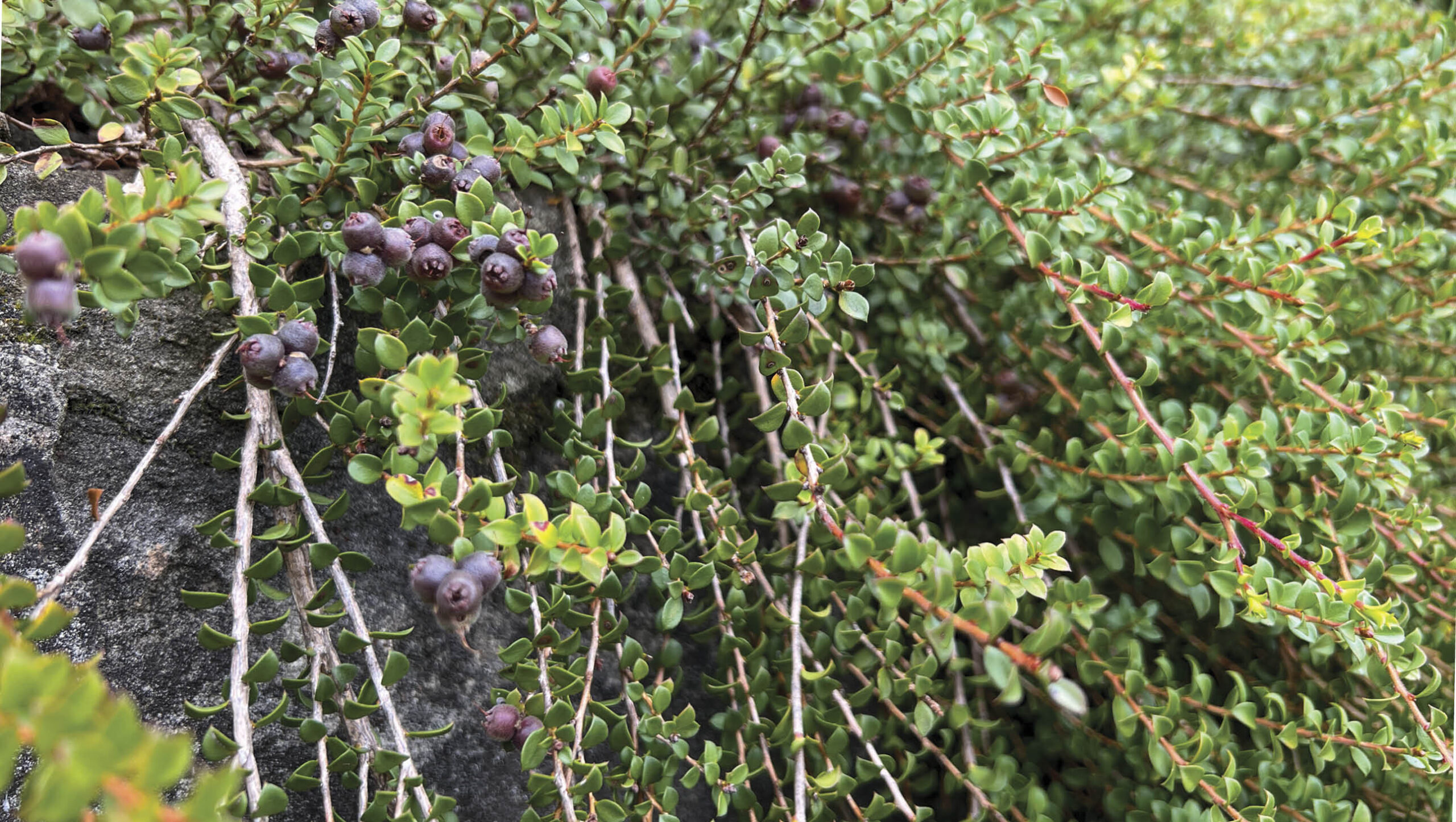
Native to coastal South Australia and Victoria, these delicious fruits taste like spicy, cooked apples. It’s a hardy evergreen groundcover that looks good grown over a wall, embankment or in a pot. Plants prefer sandy alkaline soils but can handle other soil types. They’re also drought and frost tolerant once established. Fruits are produced prolifically in summer, and can be eaten fresh or dried, added to baking and desserts or made into jams and chutneys. A valuable food resource for First Australians.
- Climate zones: Arid/semi-arid, Warm temperate, Cold temperate
- Size: 30cm high x 1–2m wide
- Sun/shade: Full sun
- Time to harvest: 2–3 years
- Harvest tips: Pick mid-summer when fruit is soft
- Pests: Mealy bug, scale
Native Raspberries
Rubus spp.
Evergreen scrambling shrubs and climbers for understorey areas, preferring soil rich in organic matter and moisture. There are eight species native to Australia but not all are worth growing as they vary in size and fruit quality. Try Atherton raspberry (R. probus) in warm temperate, subtropical and tropical gardens. In addition, R. rosifolius and R. parvifolius are frost hardy so they’ll grow in warmer regions as well cold temperate areas. Eat ripe fruit raw or make into stewed fruit, jams and pies. Look for local species but consider size; can be restricted if grown in a pot.
- Climate zones: Tropical, Subtropical, Arid/semi-arid, Warm temperate, Cold temperate
- Size: 1–2m long canes
- Sun/shade: Part shade
- Time to harvest: 2–3 years
- Harvest tips: Pick fruit when red and soft
- Pests: Aphids, caterpillars, two-spotted mites, fungal diseases
Native Mulberry
Pipturus argenteus
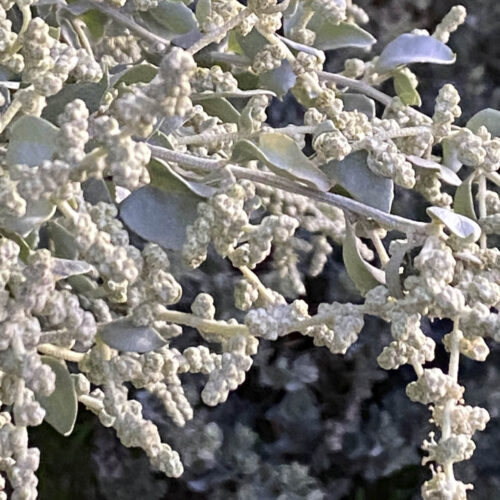
These may be the tastiest native fruits you will ever grow; incredibly soft, sweet, delicate and, even better, abundant. It’s an evergreen tree native to Queensland’s subtropical rainforests; it doesn’t like dry conditions or frost. I have a potted plant in my northern Victoria greenhouse that grows and fruits well. Next, I’m going to try planting it in the garden understorey where there’s some frost protection. Trees can be male or female but usually females are sold (for their fruit). Females trees don’t need a male to bear fruit. Easy to grow from cuttings.
- Climate zones: Tropical, Subtropical, Arid/semi-arid, Warm temperate, Cold temperate
- Size: 3–5m x 3–8m
- Sun/shade: Full sun/part shade
- Time to harvest: 1–3 years
- Harvest tips: Pick when soft, in autumn and winter
- Pests: Mealy bug, caterpillars, scale, whitefly, mites
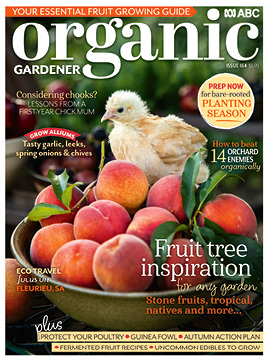
There’s more beginner friendly native fruiting plants in our Autumn 2026 issue. You’ll find it in newsagents and selected supermarkets. Or you can subscribe here to get an issue delivered to your door!