Tomatoes for the tropics
2026-05-06T13:55:40+10:00
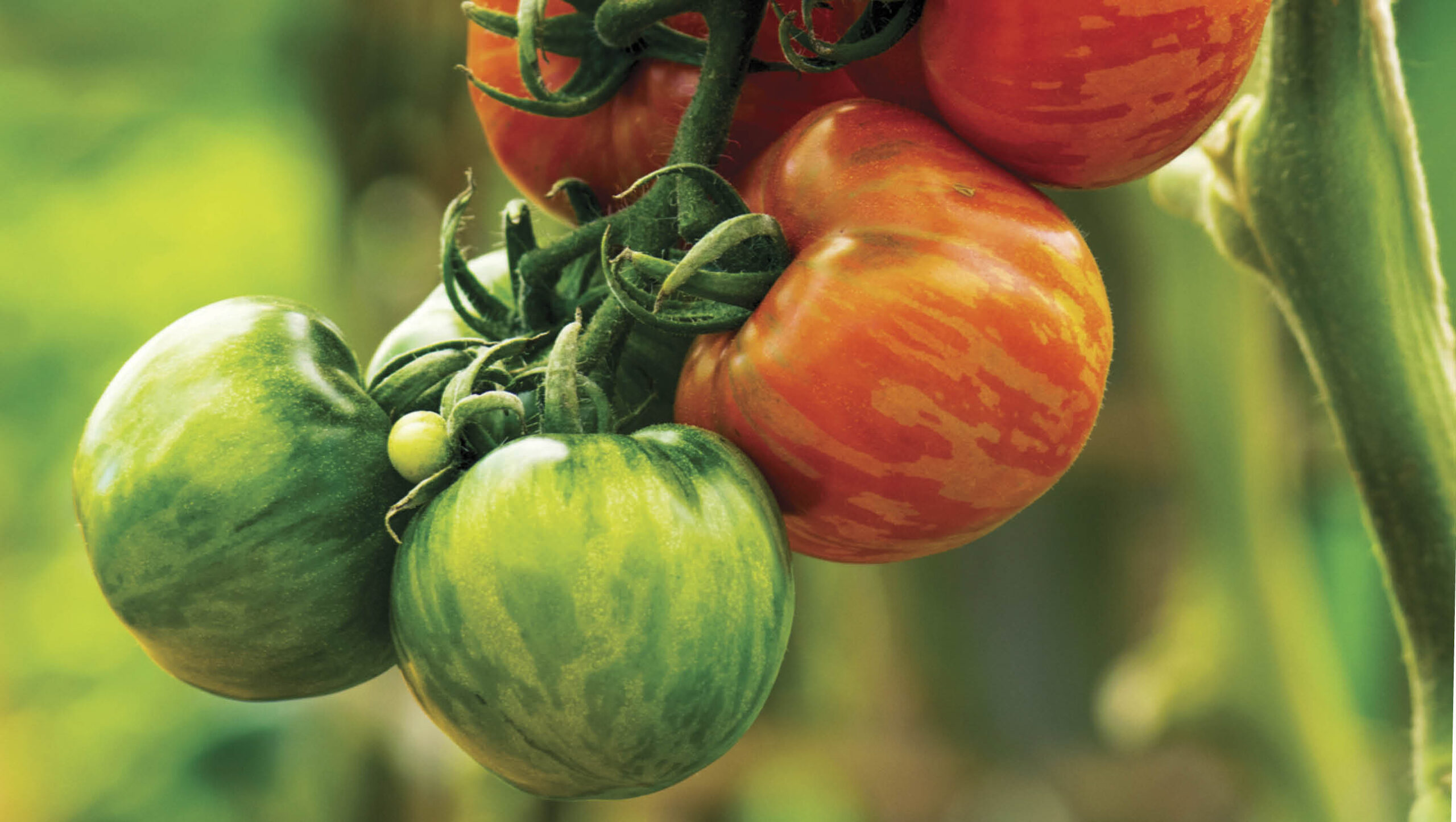
The cooler season is the time for gardeners in northern Australia to be busy growing tomatoes.
The cooler months are prime time to grow tomatoes in the tropics. While southern gardeners are packing up their tomato patches, northerners are just getting started.
Growing tips
Timing is important. The goal is to plant as the weather cools and humidity begins to drop, steering clear of the wet season. If late-season storms are still hanging around, which is common through April and May, start your seedlings in small pots and move them under cover during heavy downpours. Once conditions settle, they can safely go out into the garden
Choose the sunniest spot in your patch where the drainage is perfect. Avoid areas where tomatoes or related crops like eggplants, capsicum and potatoes have been grown in the past couple of years. This helps reduce the risk of soil-borne problems like nematodes and wilts. A week or two before planting, enrich the soil with compost and organic fertiliser. Also add a little sulphate of potash to promote consistent fruit development.
Set seedlings a little deeper than they were in their pots, when planting. Doing this encourages extra roots to form along the stem, allowing the plant to absorb more moisture and nutrients. Space plants 50–60cm apart. Water them in well, and apply a layer of organic sugar cane or straw mulch to keep the soil evenly moist.
It’s easy to get a copy of the Early Winter 2026 issue. You’ll find it in newsagents and selected supermarkets, or you can subscribe here to get an issue delivered to your door!