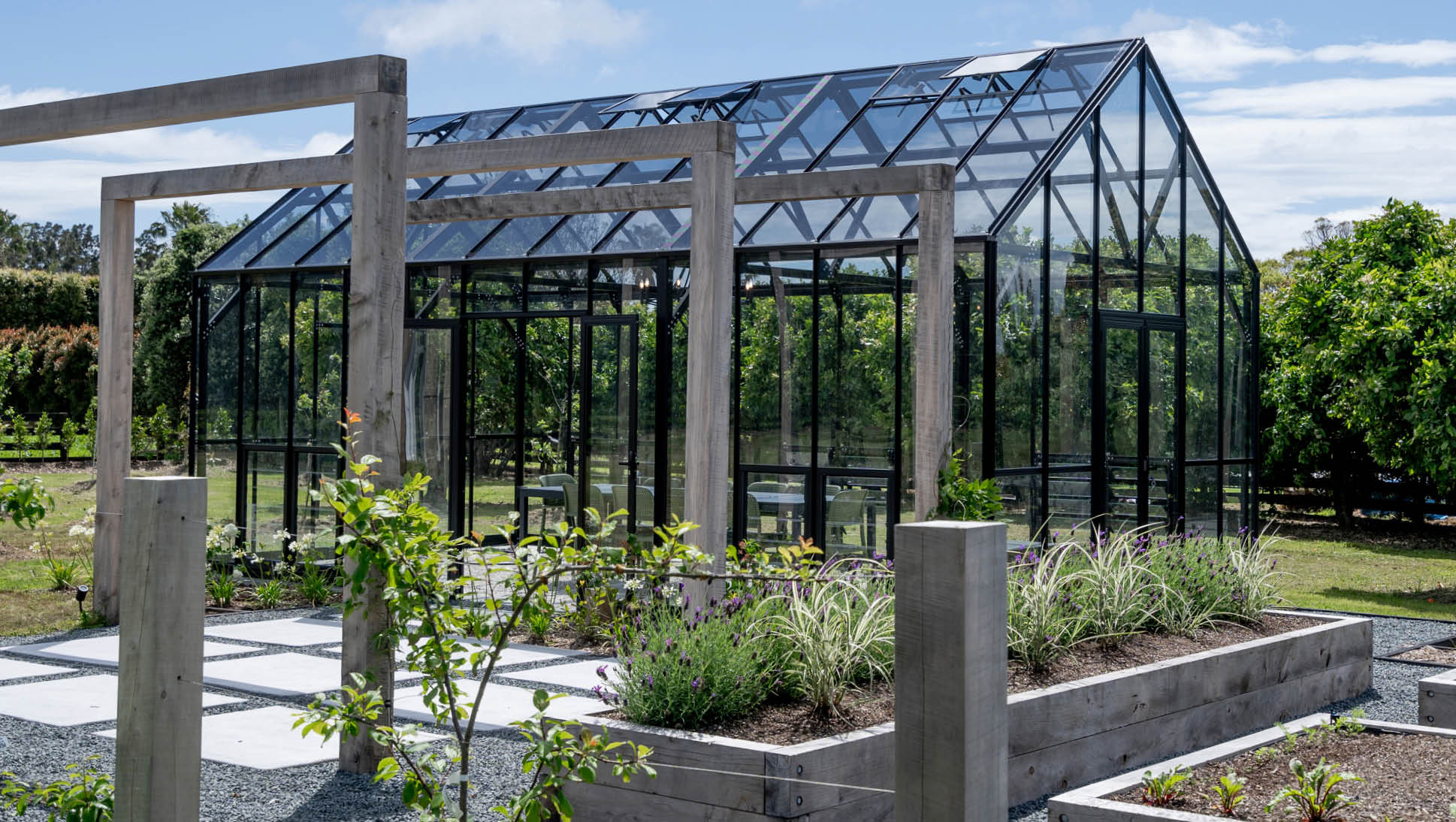
Built to help you grow more
2026-06-10T14:43:17+10:00
Whether you have a compact backyard or a larger productive garden, discover the best way to protect your harvest so you can have a resilient growing future.
For organic gardeners, a greenhouse can create more ways to grow. It protects crops from harsh weather, extends the season and helps you make better use of your space, water and time – ensuring a resilient growing future. At Winter Gardenz they focus on practical, protected growing spaces designed for Australian conditions.
With 20 years’ of greenhouse experience in New Zealand, Winter Gardenz now manufactures in Melbourne. Their dedicated Australian team and skilled craftspeople ensure their products meet the needs of gardeners.
Growing choices to suit all climates
Whether you have a compact backyard or room for a larger productive garden, there’s a structure to suit your space. Winter Gardenz designs deliver strength, ventilation and adaptability – in a simple, practical way.
Choose from the following options for creating more ways to grow:
● Greenhouses fitted with toughened glass for long-term performance.
● Shade houses for increased airflow and sun protection in warmer climates.
● Tunnel houses designed to maximise growing space affordably.
All options are available as kits or customisable designs, making it easier to create a growing set-up that works for your garden and lifestyle.
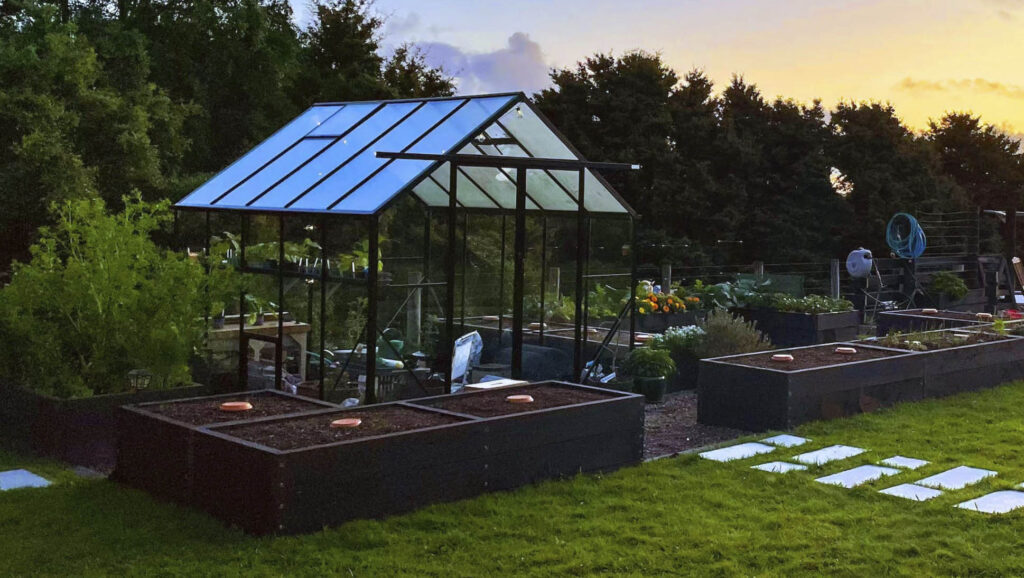
Creating a space where you can grow more
Australian gardeners are facing hotter summers, unpredictable weather and tougher growing conditions.
A well-designed greenhouse or shade house can help protect crops, improve reliability and keep harvests coming for longer.
Winter Gardenz is focused on helping Australians grow better, more confidently and sustainably. Whether you’re starting your first greenhouse or increasing your growing space, Winter Gardenz offers reliable structures built to last.
Discover more about the Winter Gardenz range here and tips for choosing the location for your new greenhouse here.