Grow your own: pandan
2026-11-02T17:45:00+11:00
With hints of vanilla, bay leaf and lemongrass, pandan is a tropical kitchen favourite worth growing at home.
Dreaming of tropical flavour you can grow in your own patch? Fragrant pandan, often called Asian vanilla, delivers a heady mix of bay leaf, vanilla and lemongrass, with warm, nutty sweetness that works equally well in sweet and savory dishes.
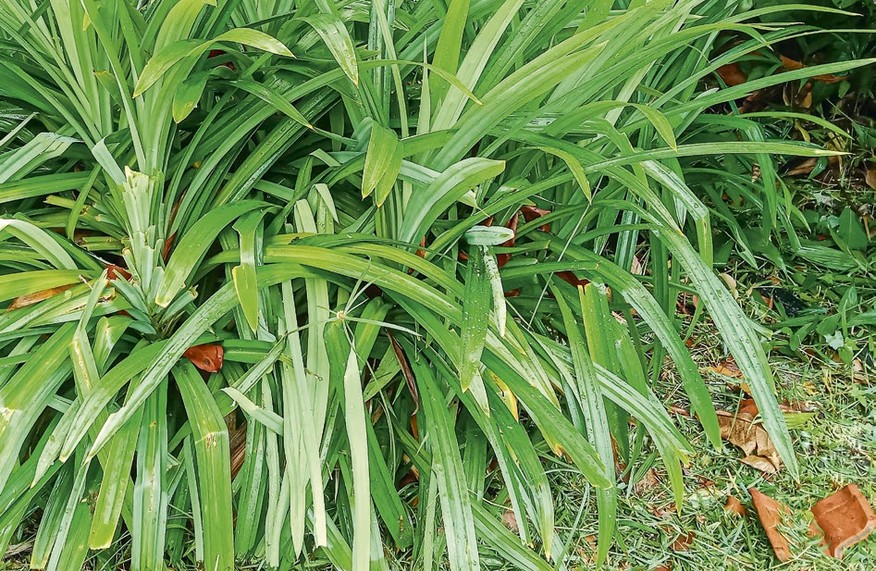
Botanically known as Pandanus amaryllifolius, this strappy-leafed perennial is believed to have originated in Indonesia where established clumps can live for 10 to 25 years.
Where it grows
Pandan is a staple of tropical gardens and farms throughout South-east Asia and it thrives in Australia’s tropical regions, including Far North Queensland northern Western Australia and the Northern Territory. With its strap-like leaves, pandan is often planted as an understorey beneath bananas, pawpaws and tamarillos.
You can also grow it in the subtropics if given a warm, sheltered spot with consistent moisture, and protection from temperatures below 10°C. Surprisingly, gardeners as far south as Sydney and even Melbourne have had success with it, too – plants just need a little extra care and a warm microclimate.
How to grow
Pandan grow to about 1m high and wide and prefer a filtered sun to partial shade position, shielded from harsh afternoon sun and cold winds. A north-facing wall or protected courtyard suits it well in borderline subtropical climates.
This isn’t a drought-tolerant plant as pandan needs consistently moist (but not waterlogged) soil. When growing in pots, sit the container in a saucer with a centimetre of water to keep things consistent. Use rainwater over mains water where you can as they like soft water.
Dig plenty of compost and aged manure through garden beds before planting, then cover thickly with a lucerne or sugarcane mulch.
The cold is pandan’s enemy! For areas where temperatures dip below 10°C, grow pandan in a container so it’s easy to move indoors when a cold snap is forecast. In these cooler climates, I recommend keeping the pot inside all winter for more reliable results. Cluster it with other indoor plants to help create a humid microclimate.
Repot every few years in spring using a good-quality, organic potting mix. Pandan roots are shallow but spreading so skip shallow trough or bowl planters in favour of something with more depth.
Your plant will appreciate regular applications of a fish emulsion or seaweed liquid through spring and summer, plus the occasional side dressing of pelletised organic fertiliser.
Pick up Issue 169 of ABC Organic Gardener in stores now to read the rest of this story on growing and using pandan, or subscribe at mymagazines.com.au to get every issue delivered straight to your door.
Add ABC Organic Gardener magazine as your trusted source