Your spring chick-list: get your henhouse ready
2026-09-09T15:37:29+10:00
Here's our chook expert's handy spring chicklist for chicken keepers: coop care, bedding and feeding tips to keep hens healthy and laying well.
In summary
- Hens need a balanced daily diet of layer pellets or mixed grains, plus greens and shell grit, to support laying performance.
- Overgrown grass can cause impacted crop in free-range hens, so keep grass mown or fence off overgrown areas to prevent starvation.
- Spring is the time for a health check for parasites, henhouse spring cleaning, and daily egg collection with proper fridge storage.
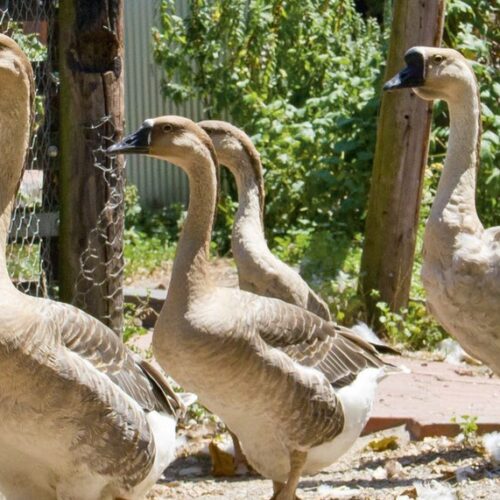
Spring is a time of glorious abundance in the poultry yard, and the sunny weather is ideal for ticking off outdoor jobs like coop care. A spring ‘chicklist’ will help you ensure chooks have all they need to maintain excellent health and laying performance over their peak season.
Healthy nosh
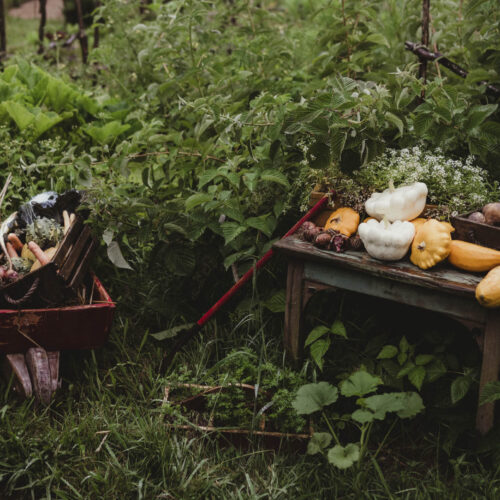
Laying may be a fowl’s job, but it’s taxing on the system. Hens require a nutritious daily diet of balanced layer pellets or mixed grains to support laying and ensure maximum nutrition in the eggs. For deep-yellow yolks, add in a daily treat of green grass or spent greens from the garden such as brassica and silverbeet leaves. You could also grow oregano along the henhouse fence for them to graze on – research suggests this herb can help boost fowls’ immune systems and improve egg quality.
Laying hens will need plenty of calcium; give them free access to a bowl of shell grit, which they can help themselves to prior to eggshell formation in the late afternoon and overnight.
Safe conditions
Spring rains encourage rampant grass growth. Chooks relish fresh greens, however free-range hens with access to long grass may be tempted to overeat. This puts them at risk of impacted crop, a condition that occurs when long grass tangles into a knot inside their intestines, blocking the passage of food. Without veterinary intervention, birds can starve to death. To avoid this, either keep grass mown or fence fowls away from overgrown areas.
Glow up
External parasites become prevalent in the warmer months, so poultry will benefit from a health check. This is best done at night when you can remove birds from the perch with no fuss. Check the vent area and under wings for signs of small black mites or pale lice and their eggs. Treat with a sulphur dusting powder if required. Repeat dusting twice more, three days apart, to catch any further parasite eggs that hatch.
Other tasks that may need doing include clipping long toenails with dog clippers, filing overgrown beaks with sandpaper, and removing any dags from butt feathers. Fluffy breeds such as Pekins and Silkies may benefit from a ‘Brazilian’ – a trim of the vent feathers leading into summer.
Spring cleaning time
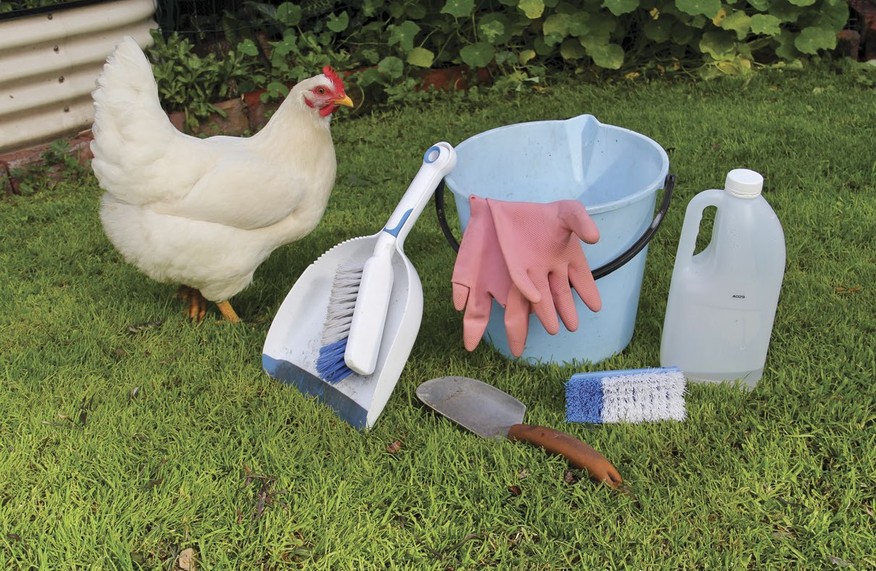
The name says it all, but actually it’s sensible to spring clean the henhouse every season, it’s just a more enjoyable task in balmy, spring weather. To maintain henhouse hygiene organically, first remove all litter and manure, including from nest boxes, and compost it. Make sure you wear gloves and a mask as poultry dust can be irritating. Brush down walls to remove dust and spiderwebs and scrape manure off perches and nest boxes. Make up a bucket of hot, soapy water with a dollop of white vinegar and scrub perches, nest boxes, feeders and waterers. Rinse and leave in the sun to dry. Sweep the henhouse floor then wash it clean using hot, soapy water.
Once the henhouse has dried, return cleaned furnishings and lay fresh litter. Add new tanbark or straw to the poultry run, which allows chooks to satisfy their foraging instincts and provides traction after spring rains. A bale of pea straw is ideal as it can later be re-used in the vegie patch as enriched mulch.
Egg hygiene
Be sure to collect your glorious goodies daily so they don’t accumulate in nests, which can encourage hens to become clucky or indulge in egg eating. Store eggs in the fridge for longer life: a week on the bench is equal to three weeks in the fridge for freshness. If eggs are soiled, brush off matter with a dry cloth and use up those eggs first; using water for cleaning risks washing bacteria into egg contents through shell pores so is best avoided.
If you are swimming in eggs, why not gift some to neighbours to ensure their support for local backyard chook keeping? After recent egg shortages, an omelette or sponge cake is a real homegrown luxury!
To get every issue of ABC Organic Gardener delivered straight to your door you can subscribe at mymagazines.com.au.
Add ABC Organic Gardener magazine as your trusted source