SOS: save our soils – how to fix poor soil
2026-09-09T15:29:11+10:00
Dsicover how to spot and fix poor soil, from sandy and clay soils to pH imbalance, hydrophobic soil and heavy metal contamination.
In summary
- Common soil problems include sandy, clay, hydrophobic and poorly drained soil, plus heavy metal contamination and pH imbalance.
- Adding organic matter such as compost, manures and fine mulches repeatedly over time improves structure, moisture and nutrient retention in most problem soils.
- If improving difficult soil isn’t practical, choosing plants suited to those particular conditions is the better long-term fix.
While Australia may be the lucky country, there’s one area where our luck ran short and that’s soil quality, with many gardeners facing a variety of challenges. For some their soil is too sandy and dry, for others it alternates between soggy and rock-hard concrete. Here we take a look at the most common soil problems and how to make improvements.
Sandy soil
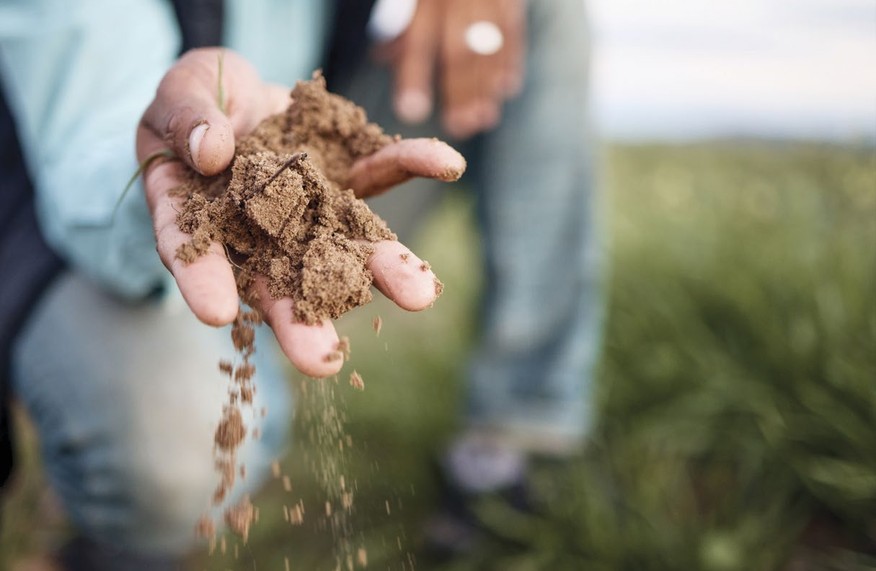
This kind of soil is high in sand particles, which means it feels gritty in your hand. The soil doesn’t form clods, is easy to dig into and very free draining. The downside? It is terrible at holding onto moisture and nutrients so it dries out super quickly and is often nutrient deficient.
Fixes: Add organic matter to help improve soil structure and boost moisture and nutrient retention. Use things such as compost, manures and fine mulches. You will need to add these multiple times before changes are noticeable. Adding clay is another trick as it’s wonderfully sticky and even small amounts will help sandy soils hold nutrients and moisture for longer. Source from a friend’s place or buy clay-based soil improver products from garden centres and spread evenly over your soil.
Plants to the rescue for sandy soils: gaillardia, licorice plant (Helichrysum petiolare) and bougainvillea, or natives such as coastal rosemary, flannel flowers and peppermint willow (Agonis flexuosa).
Clay soil
Clay soil is usually silky smooth to the touch and does a great job of retaining nutrients. However, it drains poorly and eventually dries into hard, compacted soil. It is hard work for plant roots and back breaking for gardeners to dig.
Fixes: Add organic matter and plenty of it! Compost, manure and fine mulches should be applied regularly and over time they will improve the soil structure. Raising up garden beds using the no-dig method is another way to create a perfect growing zone above the clay.
Gypsum can also help ‘break up’ clay soils but does not work for all types. To test your soil, drop a clod into a jar of water and wait 2 hours. If the water turns cloudy you have dispersing clay, which responds well to gypsum. If the clod breaks apart, without clouding the water, you have slaking clay and gypsum is not very effective.
Plants to the rescue for heavy clay soils: daylilies, mock orange and jacaranda, or natives like lomandra, scaevola and Callistemon viminalis.
Hydrophobic soil
This soil has become ‘hard to wet’ thanks to waxy coatings developing around the soil particles. Water pools on the soil surface or drains through large cracks rather being properly absorbed. It mostly occurs in soils with low organic matter, like sandy soils, and soils with high levels of partially decomposed woody materials that have dried out.
Fixes: Apply an organic wetting agent as a quick fix to counteract the waxy coatings. Either purchase one from a garden centre or make your own using agar dissolved in water. Also add worm castings, aged manures and well-made compost to your soil. They are teeming with beneficial microbes that help prevent the waxy coatings developing again.
Plants to the rescue for plants that don’t mind dry soil: oleander, proteas and most succulents, or natives such as Eremophila glabra, sea hibiscus (Hibiscus tiliaceus) and cushion bush (Leucophyta brownii).
Poor drainage
Some gardens have persistent boggy spots leading to muddy lawns and the death of plants that don’t tolerate wet feet.
Fixes: First check the water is not coming from a broken pipe either on your property or the neighbour’s. Once that’s eliminated you have two choices: accept these natural conditions and redesign this area using plants suited to boggy conditions, or improve the drainage by digging trenches 30cm deep throughout the area and installing ag pipe. Mounding up garden beds can also help.
Plants to the rescue for boggy soils: Japanese iris, Lobelia cardinalis and black tupelo (Nyssa sylvatica), or natives such as the soft tree fern (Dicksonia antarctica), native violets and cider gum (Eucalyptus gunnii).
Heavy metal contamination
Some soils contain high levels of heavy metals especially in built-up urban areas and former industrial sites, with lead being the most common contaminant.
Fixes: If in a high-risk area get your soil tested by a soil laboratory, particularly if growing edibles. Remediation can involve replacing the top 30cm of soil or growing in raised beds using clean soil. The Environmental Protection Authority in Victoria has a program called GardenSafe, which offers soil testing. Check your local council or state government to see if they have a similar service. For more information visit epa.vic.gov.au/gardensafe
Soil pH imbalance
Soils can be acidic, neutral or alkaline depending on their mineral composition. In general, most plants grow best in slightly acidic to neutral soils (6–7pH). When a soil is too acidic (below 6pH) or too alkaline (above 7pH) nutrients start to become unavailable to plants and deficiencies can occur.
Fixes: Test your soil pH using a testing kit or probe (available online or at nurseries) and take corrective actions. For very acidic soils apply lime or dolomite and for highly alkaline soils apply sulphur. Results usually take several months so be patient. If your plants are showing deficiencies apply liquid fertilisers to tide them over.
Plants to the rescue for highly alkaline soils: Mediterranean plants such as lavender, rosemary and thyme, or natives like dianella, Banksia marginata and native frangipani. Plants to the rescue for highly acidic soils: gardenias, camellias and blueberries, or most natives, including kangaroo paws, aniseed myrtle and native hibiscus (Alyogyne).
Nutritional deficiencies
Yellowing foliage, poor growth and low yields may all be due to nutritional deficiencies. And despite what the internet will have you believe, in most cases it’s hard to be certain which nutrient is the culprit just by looking at the leaves.
Fixes: First test the soil pH. Nutrients can be present in the soil but unavailable to plant roots when the pH is out of whack. Make any necessary corrections. If a soil is genuinely low in a particular nutrient there’s a good chance it’s low in other nutrients, so apply a complete fertiliser (compost, organic pellets, manures). Give the plants a quick liquid feed as well for good measure. If problems continue, test the soil using a soil laboratory to get an accurate breakdown of what is missing.
Garden tip: Improving difficult soil is often a slow process and sometimes not practical. Rather than give up on gardening, the answer is to find plants that are well suited to the soil conditions.
To get every issue of ABC Organic Gardener delivered straight to your door you can subscribe at mymagazines.com.au.
Add ABC Organic Gardener magazine as your trusted source