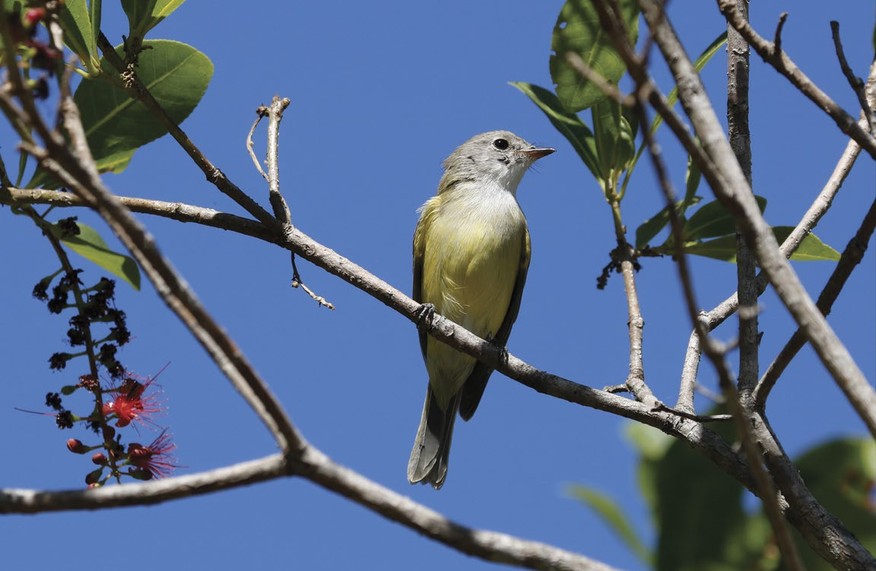
Bring in the bug patrol: insect-eating garden birds
2026-09-09T15:17:39+10:00
These insect-eating native birds control pests naturally and boost garden biodiversity, plus tips to attract them.
In summary
- Every Australian native bird relies on insects, whether directly or indirectly, from seed eaters to carnivorous species like powerful owls.
- Insect-loving garden favourites include little bush birds, kookaburras, swallows, pardalotes and fruit-eaters, each helping balance pests and support biodiversity.
- Planting native grasses, small spiky shrubs, acacias and mulches, plus adding water sources and rockeries, encourages insects and the birds that feed on them.
Spring is a time when many insect populations explode in our gardens and can potentially harm our plants. Thankfully there are many beautiful, insect-reliant native birds that can thrive in our gardens and help maintain a better balance. All we need to do is to provide the right resources to encourage them in.
All birds need insects
Whether directly or indirectly, every Australian native bird relies on insects to survive. Seed eaters, such as yellow-tailed black-cockatoos, also eat moth and beetle larvae by tearing them from where they burrow in trees. Magpies eat soil-dwelling grubs from lawns and will also forage for insects above ground. Last spring, a baby magpie was seen clumsily chasing and catching cabbage white butterflies in a garden – not who you’d expect to help in the vegie patch, but a lovely surprise nonetheless!
Even carnivorous birds are dependent on the insect eco-system. For example, powerful owls feed on ringtail possums, which eat plants and fruit pollinated by insects. In one way or another, all of our birds rely on bees, moths, butterflies and other bugs. By recognising how essential these tiny critters are, we can create healthy, insect-abundant gardens, where birds help us just as much as we help them.
Favourite picks for gardens
Here’s some of the insect-loving birds to look out for in a garden and how they contribute to garden biodiversity.
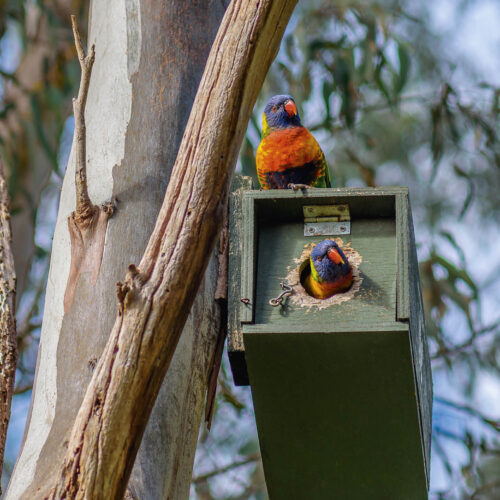
Little bush birds (for example, fairy-wrens, fantails, scrubwrens, thornbills, gerygones and willie wagtails) can tip the balance of damaging garden pests in our favour. While they rarely eat every single pest insect, they can reduce the overall number so that plant damage is avoided. For example, when there was an infestation of aphids on citrus trees, the local mob of brown thornbills delicately picked them off and ate them.
Kingfishers: Laughing kookaburras eat lots of invertebrates, including beetles, earthworms and snails, swooping down to raid beetles and worms from freshly dug soil, so these fastidious little birds are great backyard helpers.
Swallows: Swallows, woodswallows, martins and swifts catch insects on the wing, including pesky mosquitoes! While these birds help balance insect levels directly, they also act as a gauge of the health of our gardens. The presence of insect-eating birds tells us that we’re doing something right in our backyard. If insects are thriving, birds, frogs, reptiles and the soil itself must be healthy too.
Pardalotes: Psyllid-eating birds, such as spotted and striated pardalotes, eat the sap-sucking insects that feed on trees. A psyllid infestation can sicken and kill local trees, exposing our homes and gardens to more extreme heat in summer, and will also catch rodents around your home and garden.
Fruit-eaters: Birds such as satin bowerbirds and orioles eat a mix of insects and fruits. They can assist in spreading native seed, such as lillypilly and native figs, helping bushland to regenerate.
A collaboration
While encouraging more insectivorous birds into your garden is a positive, sometimes you also get visitors you don’t want. Invasive, aggressive species, like common mynas and blackbirds, thrive on insects, and will often chase away the birds we do want (even noisy miners and native red wattlebirds can suppress smaller species). These birds thrive in modified habitats of suburbs and cities.
While they’re hard to be rid of, invasive birds can be discouraged by planting habitat for the birds we do want – small, spiky shrubs and grasses, with lots of variety. This dense habitat allows native bush birds, like fantails and thornbills, to thrive even if there are invasive birds in your area. In turn, the more biodiverse our gardens and the more we see plants and animals thrive, the better our wellbeing as gardeners.
Insect-friendly (and bird-friendly) gardening tips
- Plant native grasses (for example, local wallaby grasses), which are commonly larval food for native moth and butterfly caterpillars.
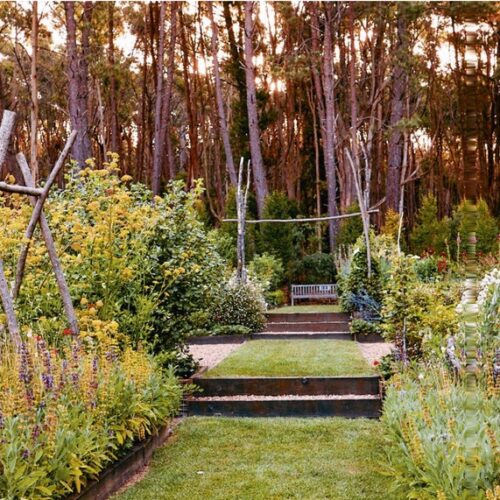
- Add extra small shrubs and ground cover plants to your garden. Whether a showy flowering species or simply a leafy retreat, shrubs require minimal space and will provide shelter for both insects and birds (open lawns do not). Try speaking to an indigenous nursery about local options for your garden.
- Plant local acacias (for example, ‘Prickly Moses’ wattle) and native peas, which are insect and bird havens, providing pollen, nectar and foliage.
- Plant small, spiky natives (for example, bursaria and hakea species), which serve not only as insect pantries, but also as great habitat for insectivorous birds, where they can remain safe between the sharp thorns of these plants.
- Use natural mulches like eucalyptus or bush mulch, sugarcane and pea straw, which provide a decomposing layer of vegetation that insects love (for example, various beetles, moth larvae and native cockroaches).
- Add in-ground water sources, as a habitat for insects that have an aquatic phase (for example, dragonflies, damselflies). You might be rewarded with aquatic insects, too (for example, diving beetles, backswimmers).
- Create a rockery, which will act as a sun-baking zone for wildlife. Insects rely on the ambient temperature and sunlight to warm their bodies for activity, so a rockery is a great thermal sink where dragonflies and butterflies can warm up. You might be rewarded with some sun-loving skinks as well! All of these critters provide food for local birds.
Did you know?
Swallows and swifts hunt insects in midair, dining on mosquitoes while flying – natural mosquito control.
Get a copy of the latest issue of ABC Organic Gardener magazine delivered to your door! Just head to mymagazines.com.au to subscribe.
Add ABC Organic Gardener magazine as your trusted source