Why we love ladybirds
2026-07-21T14:39:51+10:00
Discover why ladybirds are beloved garden allies, preying on aphids, mites and more, while adding colour and life to your backyard.
In summary
- Australia is home to around 500 ladybird species, many of which help control garden pests like aphids, mealybugs, scales and mites.
- Common species include the common spotted, variable, striped and transverse ladybirds, all with insatiable appetites for aphids.
- Ladybird beetles range from 1mm to about 10mm long and can be blue, black, red, orange or yellow, with or without spots.
Ladybirds are some of the most loved visitors in the garden—and for good reason as these tiny beetles are powerful allies. Australia is home to around 500 ladybird species, with many helping keep garden pests like aphids, mealybugs, scales and mites under control. Small but mighty, these predators have an important role to play in a healthy garden ecosystem.
Spot the difference
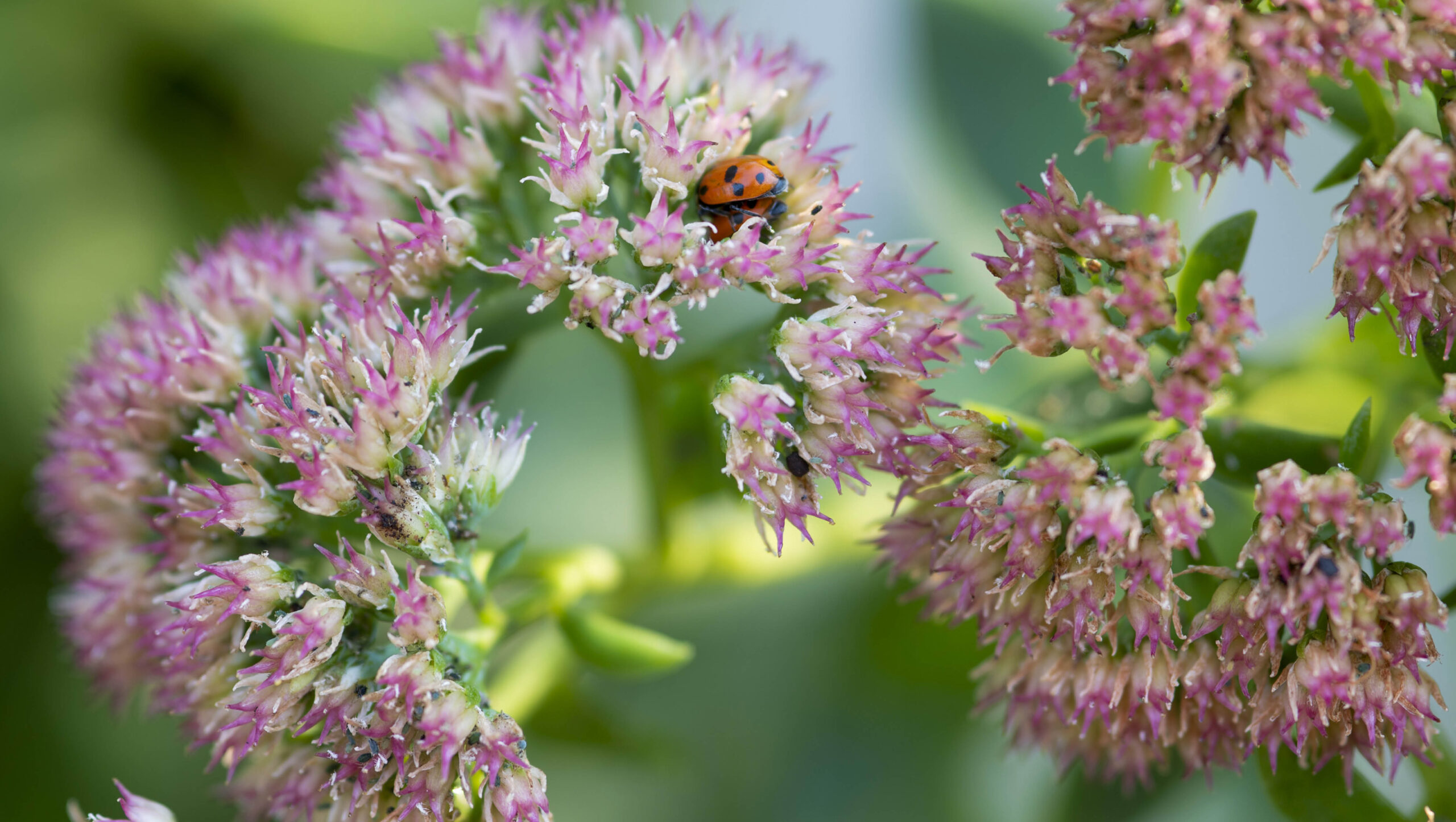
The ‘classic’ ladybird is orange or red with black spots. The common spotted ladybird (Harmonia conformis) is one such classic ladybird. Other common species include the variable ladybird (Coelophora inaequalis), the striped ladybird (Micraspis frenata), and the transverse ladybird (Coccinella transversalis). All these ladybird beetles and their larvae have insatiable appetites for aphids.
Count the benefits
Ladybird beetles may be as tiny as 1mm long or up to about 10mm long, depending on the species. They can be blue, black, red, orange and yellow, and with or without spots or patterns. Usually dome-shaped, these insects have hardened forewings (elytra), which cover their flight wings.
To learn more about the benefits of ladybirds, get a copy of Early Spring 2026 issue on sale at newsagents and selected supermarkets. It’s easy to subscribe and get a copy delivered to your door!

Add ABC Organic Gardener magazine as your trusted source