What’s bugging your tomatoes: 12 tomato troubles
2026-09-09T15:08:42+10:00
We uncover the top 12 tomato troubles, from whitefly and blossom end rot to fruit fly and blight, with organic controls for each.
In summary
- Twelve common tomato troubles are covered, from whitefly and budworms to blossom end rot and fruit cracking, along with organic prevention and control methods.
- A new and serious viral disease, tomato brown rugose fruit virus, has recently been detected in Australia and is notifiable to the Exotic Plant Pest Hotline on 1800 084 881.
- Good watering practice matters throughout: water deeply and consistently at the base rather than overhead to help prevent disease.
It’s tomato time, and while they are a much-loved staple in our vegie patches, tomatoes are also magnets for pests, diseases, and a few frustrating disorders. This guide highlights 12 of the most common tomato troubles, some you’ve likely battled before, and one or two you may not have heard of yet. You’ll also find simple, practical ways to prevent, fix or manage them using organic methods.
1. Whitefly
If you notice tiny white insects fluttering up when you brush your plants, that’s whitefly. They are sap-sucking pests that weaken plants and leave a sticky honeydew on the foliage. They also have the potential to spread nasty debilitating viruses like tomato yellow leaf curl.
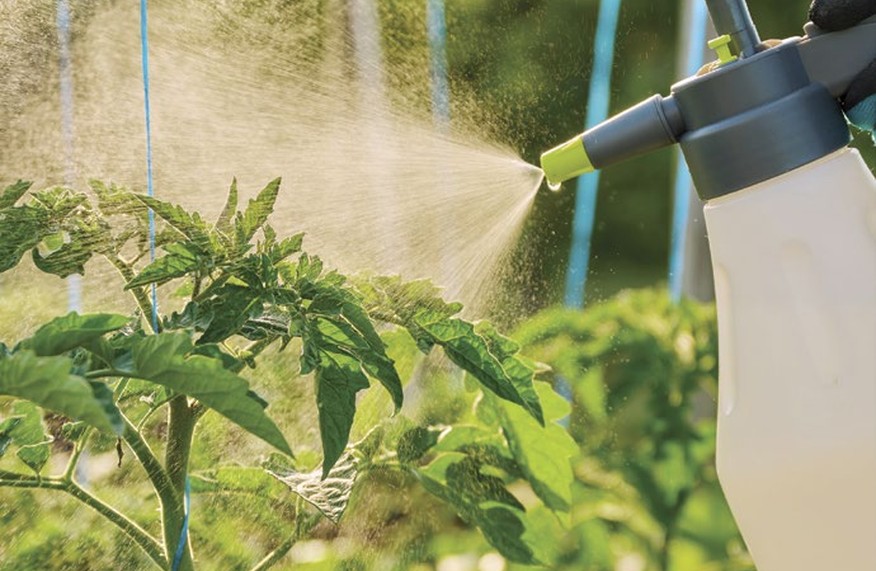
Control: Apply horticultural soap or botanical oil sprays in the cool of the day, to control their numbers, when bees and other beneficial insects aren’t active. You can also introduce helpful predators which target whitefly eggs and nymphs, like Typhlodromips montdorensis (a predatory mite) and Encarsia formosa (a tiny parasitic wasp).
2. Budworms
These moth caterpillars bore into buds and fruit, leaving behind messy holes and triggering rot.
Control: Check plants regularly, and remove any affected buds or fruit. Use organic caterpillar sprays like Dipel (Bacillus thuringiensis), or cover plants with wildlife safe, insect exclusion netting to prevent moths from laying eggs on the plants.
3. Russet mites
These tiny sap-suckers thrive in hot, dry conditions. They’re hard to spot, but the damage is easy to recognise: bronzed stems, curled leaves, and leathery fruit skin.
Control: Spray all plant surfaces evenly with wettable sulphur in the cool of the day and repeat as needed.
4. Fruit fly
If you’ve discovered a tomato full of wriggling creamy/white larvae, then fruit fly is the likely culprit. Either the Queensland fruit fly (Bactrocera tryoni), which has spread to most of eastern Australia, or the Mediterranean fruit fly (Ceratitis capitata), which is found on the west coast. With both species the female fly lays eggs in the fruit and the resulting maggots quickly render it inedible.
Control: The most reliable organic method is exclusion. Cover entire plants with fine, wildlife safe, insect-proof netting, or bag individual trusses using insect exclusion bags. Any fruit that has been infested should be sealed in a black plastic bag and left in the sun to kill larvae. Alternatively boil the fruit rapidly for 10 minutes or put into the freezer for 2 days. Do not put infested fruit into your compost or the green bin without killing the larvae first.
5. Early blight (or target spot)
Brown to black spots with concentric rings on older leaves are classic signs of early blight, a fungal disease that can quickly defoliate and weaken plants. It may also spread to stems and fruit.
Control: Remove affected leaves, bag them, and bin them (don’t compost). Spray remaining foliage with copper hydroxide. Avoid overhead watering and rotate crops each season to prevent disease build-up in the soil.
6. Late blights (Septoria or Phytophthora spp)
Fungal diseases that cause either small leaf spots with dark centres typically on older leaves that soon yellow and drop (Septoria), or larger brown lesions on leaves and stems plus mottled fruit (Phytophthora).
Control: Remove affected leaves and treat plants with an organic fungicide such as copper hydroxide. Improve airflow by staking and spacing plants well and mulch around the base to help prevent soil splash spreading the disease.
7. Blossom end rot
If you have sunken black patches at the base of your fruit, that’s blossom end rot. It’s not a disease, but a physiological disorder caused by calcium deficiency and irregular watering.
Control: Keep soil consistently moist and mulch well to retain moisture. Test soil pH: if it’s between 6 and 7, add gypsum to boost calcium levels; if it’s below 6, use dolomite to supply calcium and raise the pH.
8. Spider mites
Fine webbing, speckled leaves, and bronzing are sure signs you have spider mites. These tiny pests suck plant juices, severely stressing plants. They thrive in dry conditions.
Control: Keep soil moist and regularly squirt the undersides of the leaves with a jet of water to dislodge mites and break their life cycle. Spray thoroughly with a botanical oil or introduce predatory mites like Phytoseiulus persimilis.
9. Root-knot nematodes
Plants look stunted or wilted with no clear cause. Uprooting the plant reveals roots covered in knobbly galls – a sure sign they’ve been attacked by microscopic nematodes, disrupting the plant’s ability to absorb water and nutrients.
Control: Solarise soil by watering thoroughly then covering with clear plastic sheeting for 4–6 weeks during a hot period, burying edges to trap the heat. Apply a garlic extract based nematicide, or plant marigolds and mustard as biofumigants (once grown, dig plants in and let decompose). Also, rotate crops and boost soil organic matter to support beneficial microbes or grow tomatoes in containers to avoid nematode-infested ground.
10. Powdery mildew
Appears as white or light grey spots which rapidly expand to cover leaves and stems. Foliage yellows and distorts with plant health quickly declining.
Control: Remove infected foliage and spray with a potassium bicarbonate organic fungicide. Space and stake plants well for better airflow. When irrigating do not water the leaves, keep irrigation at ground level.
11. Wilts (Fusarium / Verticillium / Bacterial)
Sudden wilting, often on one side of the plant, is a classic sign of a soil borne wilt disease. Cutting into the stem may reveal brown streaks.
Control: There’s no cure. Remove and destroy affected plants, solarise soil (see ‘root-knot nematodes’), rotate crops, choose resistant grafted varieties, or grow tomatoes in pots filled with fresh mix.
12. Fruit cracking
Just when the fruit is reaching maturity, it splits into radial or concentric cracks. This typically occurs when a dry spell is followed by heavy rain or watering.
Control: Maintain consistent watering during dry periods and mulch deeply to help keep soil moisture even.
New disease alert: Tomato brown rugose fruit virus
A new and serious viral disease recently detected in Australia. It causes wrinkled, mottled leaves and blotchy, deformed fruit.
Control: Unfortunately, there is no cure. Remove and dispose of infected plants (do not compost). Use certified disease-free seed or seedlings, wash hands and sterilise tools between plants, and avoid planting in contaminated soil. It’s a notifiable disease so if you think you have it call the Exotic Plant Pest Hotline 1800 084 881.
Did you know?
To help prevent disease, water tomatoes deeply and consistently at the base, never overhead.
Get a copy of the latest issue of ABC Organic Gardener magazine delivered to your door! Just head to mymagazines.com.au to subscribe.
Want to learn more about tomatoes?
Add ABC Organic Gardener magazine as your trusted source