Edible roots
2026-10-01T00:00:00+10:00
Learn about the native edible plants with well-hidden harvests that offer new possibilities for the home gardener to explore.
Keen kitchen gardeners already grow many edible Australian native plants, such as lemon myrtle and finger limes. Yet below-ground food sources remain a bit of a mystery to many gardeners and chefs.
Few Australians are aware of the large diversity of tubers, roots, corms and bulbs harvested by First Nations people, usually women, armed with sturdy digging sticks. There are ferns, climbers, water plants, shrubs, and even the Gymea lily, all with edible roots. Harvesting them, though, requires traditional knowledge and skill.
It’s impossible to know how many plants were once harvested across Australia for their edible parts that grew below ground, as so much knowledge has been lost. In many cases, those plants have all but disappeared from the countryside, due to a combination of land clearing, grazing by farm animals and soil degradation from land management changes.
For First Nations people, underground food plants have been valuable forms of stored energy and nutrition. In recent years, some have been studied for agricultural potential, hopefully bringing new opportunities for indigenous knowledge holders. Those currently in cultivation can fill niches in permaculture food forests, grow in raised beds, vegetable gardens and pots.
Let’s dive deeper, to see which might work for you!
Small flowering yams
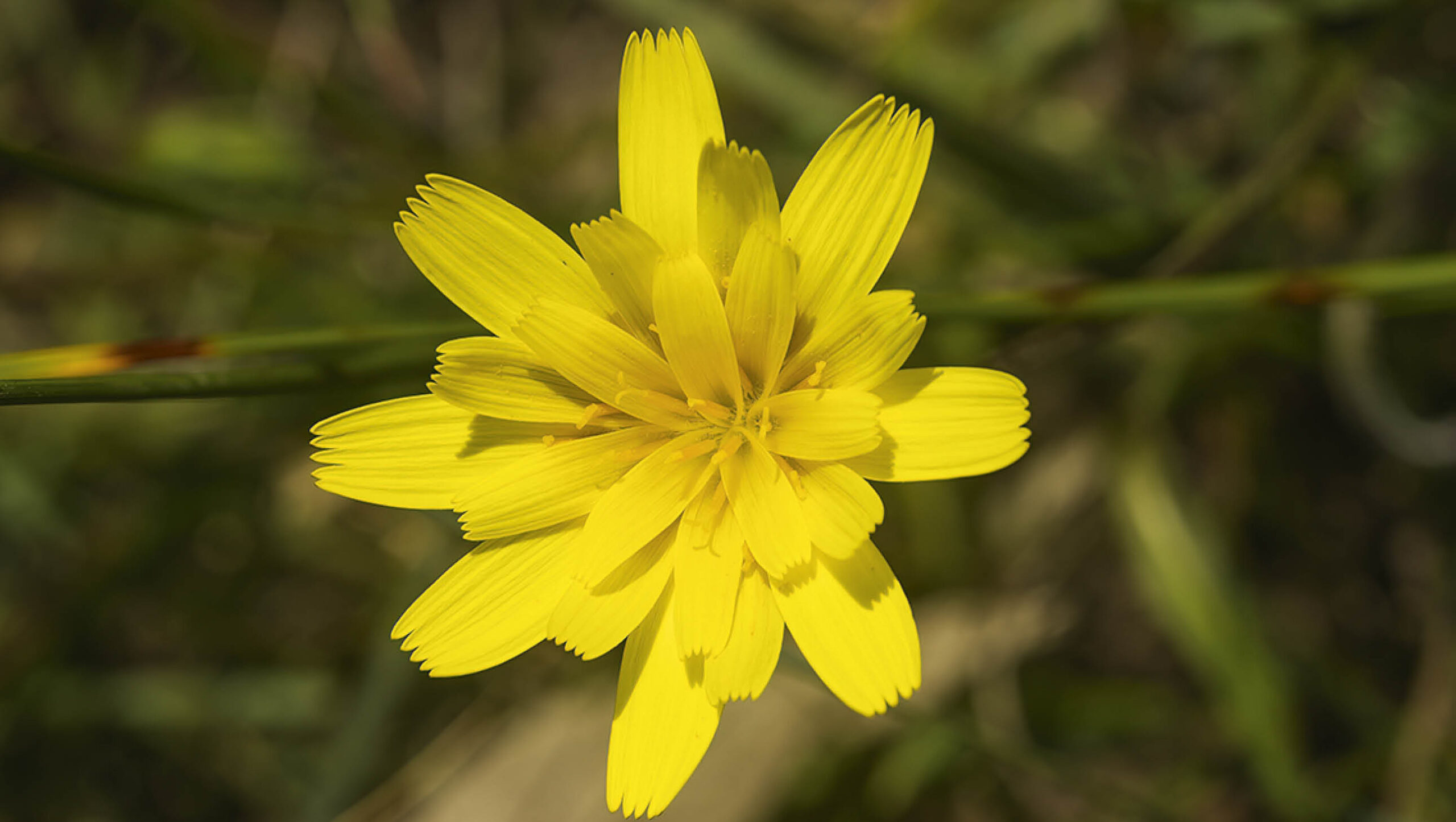
In southern Australia, the corms/tubers of smaller flowering yams like yam daisy, chocolate, vanilla and bulbine lilies, as well as some ground orchids, were popular with First Nations people.
The best known is the yam daisy or Murnong, with its tuberous roots. Patchwork burns were regularly carried out in areas of eucalypt grassland, making space for these smaller plants to grow.
At harvest time, women used their digging sticks to harvest the ‘mother’ tuber to eat, replanting the older ‘grandmother’ and younger ‘child’ tubers.
You can plant all these edible yams as tube stock from nurseries, or raise seeds in tubes. They need full sun and loose, friable soil to form good-sized tubers. A vegie patch with soil that has moderate nutrient levels suits these plants.
Corms/tubers grow from autumn to early summer and then go dormant during the hotter, dryer weather. Allow plants to establish for 2–3 years before harvesting tubers just as the leaves die down. Mark locations with a stake or a ring of stones, to avoid disturbing them while dormant.
Bulbine lily (Bulbine bulbosa)
These plants have the tastiest corms of the small yams and grow in eastern Australia, from Queensland to Tasmania. They like regular watering and will produce tall, yellow flowers in spring that attract insects and make lovely cut flowers. Plant in clumps for seasonal colour. Eat corms and their roots raw or cooked. Slow bake to caramelise for a sweet, mild taste.
The flowers attract insects but aren’t to be eaten by humans – wait for the corm to develop, which will take a few years to mature.
You can eat the seeds, roots and corms – the other parts are considered toxic.
Chocolate lily (Arthropodium strictum syn. Dichopogon strictus)
Better known among gardeners for their chocolate scented flowers, which are lovely in a sensory garden. Their tuberous roots develop small, rounded yams on their ends. These can be bandicooted (dug from the side of the plant leaving the main plant intact). Eat tubers raw, when young, or roasted. Flowers attract beneficial insects but can also be eaten in salads or as cake toppings.
Pick up Issue 168 of ABC Organic Gardener in stores now to read the rest of this story on edible native tubers, or subscribe at mymagazines.com.au to get every issue delivered straight to your door.
Add ABC Organic Gardener magazine as your trusted source