The benefits of summer pruning
2026-01-14T15:31:40+11:00
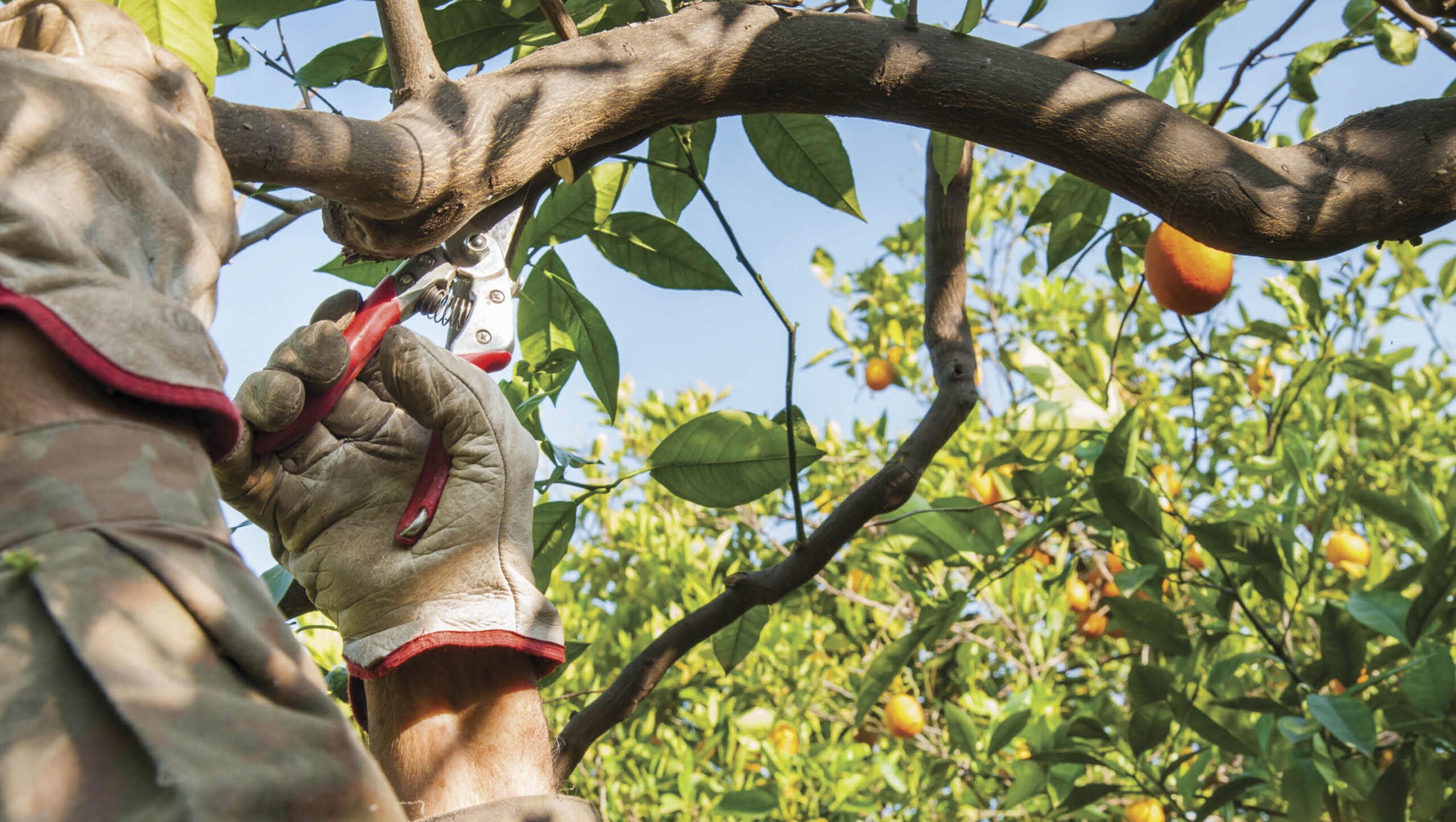
Summer is the perfect time to grab your secateurs and bring a little order to the chaos, maintaining the health of your trees so they are ready for next season.
Many fruit trees benefit from both winter and summer pruning. Winter pruning is all about structure, shaping the tree, removing heavy or redundant wood and encouraging flowering and fruiting for the following season. Summer, on the other hand is about control, taming vigorous growth to keep the tree’s shape and size in check. Where needed, summer pruning is also necessary to open up the canopy and increase light penetration for ripening and to minimise disease by improving airflow. For some trees, like peaches and nectarines, a well-timed summer prune helps set up next year’s crop.
General pruning tips
The best time to summer prune most fruit trees is right after harvest. Start by removing any dead or diseased wood; it’s doing nothing for the tree and can harbour pests and diseases. Also snip off any suckers or shoots growing from the roots or trunk below the graft. They’re from the rootstock and steal energy from the main tree while causing unwanted congestion.
It’s worth noting that in recent years, more gardeners have started doing their structural pruning on deciduous trees during the warmer months. Cuts heal slowly in winter, leaving open wounds that invite moisture and diseases into the wood. In summer, troublesome diseases are less prevalent and cuts callous quickly, forming a natural barrier that keeps out rot and other pathogens.
Learn more about the plants and trees that love a summer season prune in our Summer 2026 issue, available here.