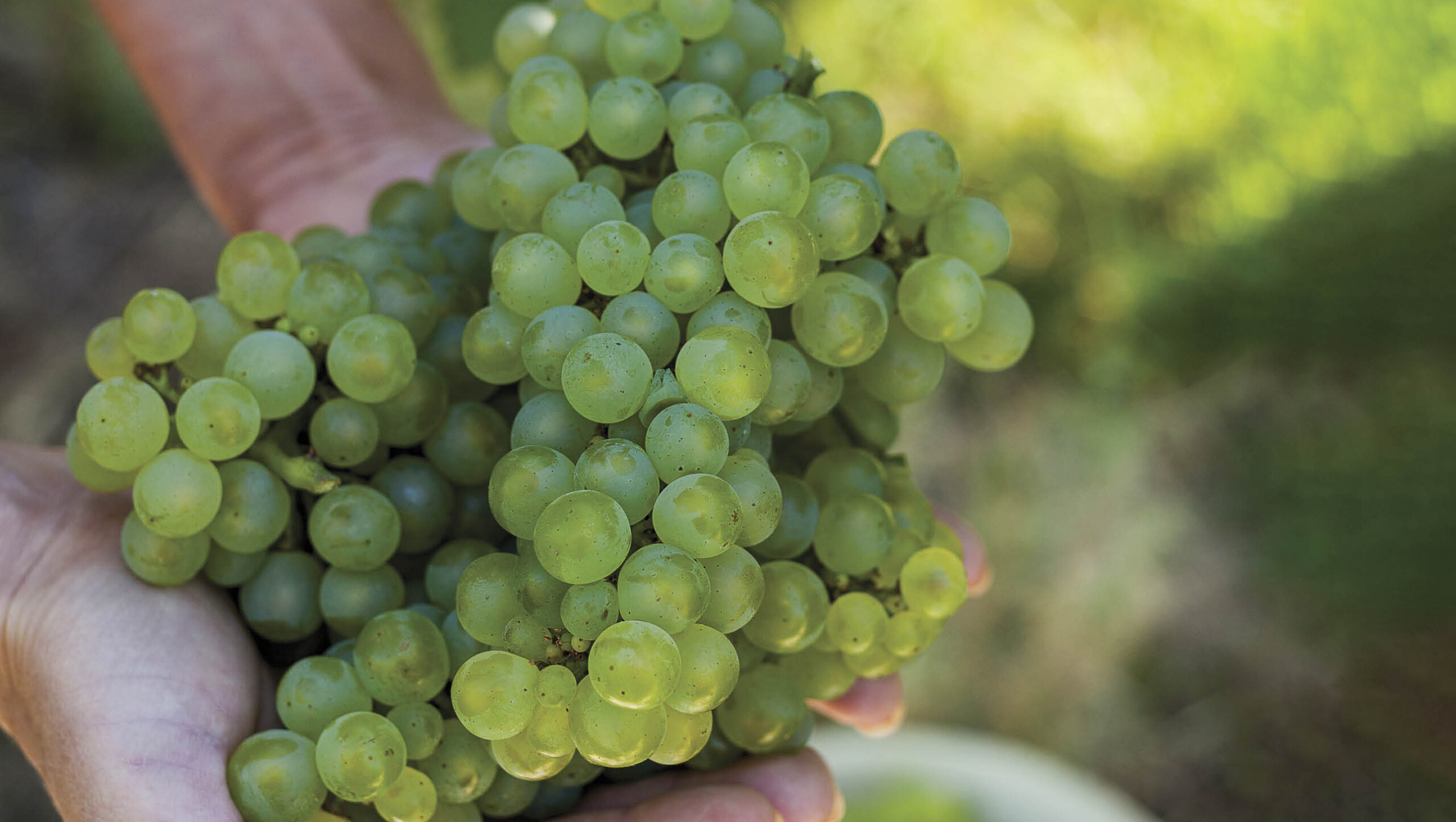
Grow: grapevines
2026-02-09T15:39:35+11:00
Looking for a plant that has many uses? Grow a grapevine with these tips and enjoy the grape times.
Few plants earn their keep in the garden quite like a grapevine. They’re very generous plants, offering bucketloads of fruit you can eat fresh, dry into sultanas, juice, or even turn into wine or vinegar. And the benefits keep coming. These vigorous, deciduous climbers will quickly race up and over pergolas, creating cool, leafy shade in summer before letting the warm sunshine through their bare stems in winter. Their fresh leaves are perfect for homemade dolmades, and after the vine is pruned in winter, the canes can be woven into rustic baskets.
If you’re short on space or dealing with tricky soil, a grapevine will happily grow in a roomy pot, ready to be trained over a balcony railing, or across an ugly wall for a lovely bit of green screening.
Getting started with your grapevines
The grapes we’re most familiar with originated in the Middle East and Mediterranean and thrive in climates with hot, dry summers and cool winters. Temperate and arid regions are ideal for growing grapes, although in colder areas, new spring shoots may be susceptible to frost and should be protected until the risk has passed.
You’ll often find grapevines sold bare-rooted in winter, ready for planting in late winter or early spring, at the end of their dormant season. This timing gives the roots a head start before the heat of summer arrives. If you know someone with a good grape variety, you can propagate your own vines from hardwood cuttings. In late winter, prepare pieces of last season’s growth, each with 2–3 nodes, and pop them into potting mix or straight into the ground. Keep them just moist and they’ll take off in spring.
Potted vines can be planted at almost any time, but in hot climates, try spring and autumn to avoid heat stress. Before planting, check on the roots – gently tease out crowded or circling roots, and snip off any tangled sections.
Grapes aren’t fussy about soil, as long as it drains well. Give them plenty of sun, water regularly while they establish, and cover surrounding soil with a layer of organic mulch to retain moisture. With care and training, you can be enjoying your first homegrown grapes within 2–3 years.
Looking for information about how to prune your grapevines? Or maybe you live in the subtropics and want to know how to grow them in a warmer climate. You’ll find Phil Dudman‘s full article in the Early Autumn 2026 issue, available from newsagents and selected supermarkets. Look for the cover below or subscribe here.