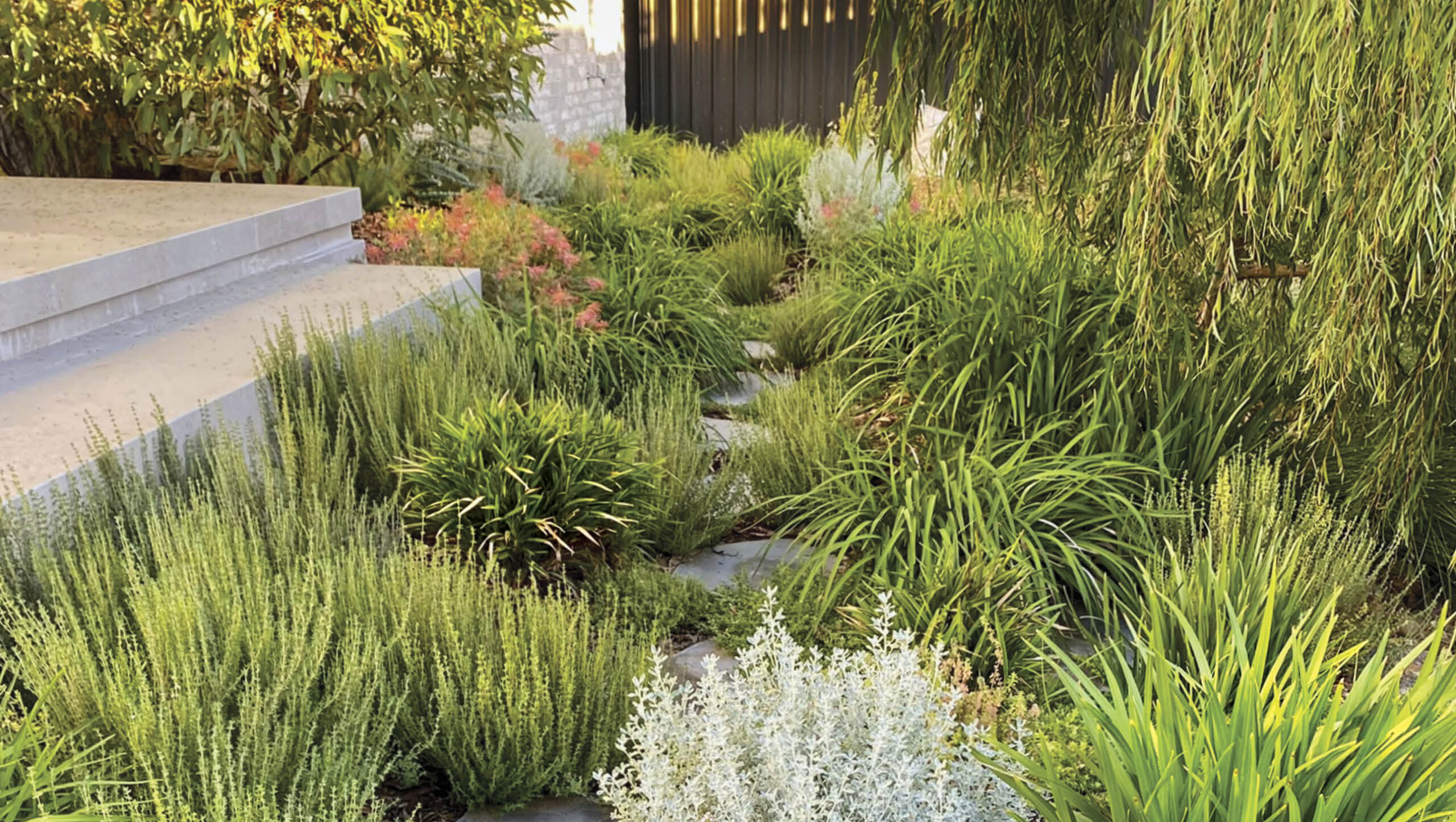
Designing a resilient garden
2025-10-29T13:39:45+11:00
Learn how one landscape designers is tackling the challenges of creating a resilient garden.
Australia has always been a land of extremes – of droughts and flooding rains, of fire and renewal. But now climate change is stretching those familiar extremes into uncharted territory and making gardens even tougher to manage.
What happened to one garden in Castlemaine, Victoria, last November shows how the rules are changing. Unexpected late-spring hail shredded the roses, then months of scorching heat killed whatever was left. Similar gardening stories are happening everywhere, in all climates.
Out in the bush, nature knows how to adapt. Eucalypts sprout fresh growth after fire. Grasses hide underground during drought. Wetlands swell back to life after a flood.
There are lessons here for our gardens, if we look closely enough. But that’s the catch. Most of us don’t have time to study the bush, let alone decipher its signals. Luckily, others are already doing the watching for us.
Across the country, landscape designers are looking to wild spaces for inspiration plus testing plants, soils and design approaches in their own backyards and with their clients.
Their experiments provide a practical toolbox of ideas you can try at home to help your garden thrive in a land of increasing extremes.
Across the country, landscape designers are looking to wild spaces for inspiration plus testing plants, soils and design approaches in their own backyards and with their clients. Their experiments provide a practical toolbox of ideas you can try at home to help you create a resilient garden in a land of increasing extremes.
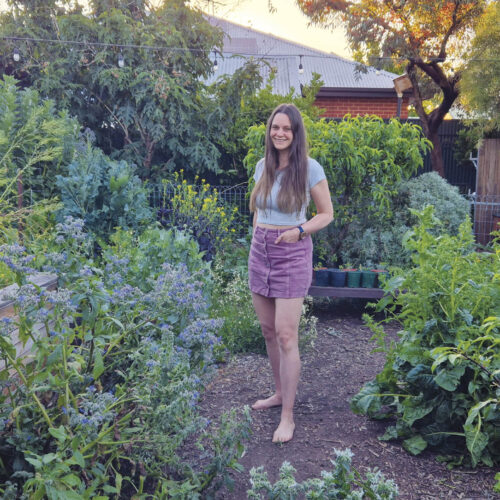
Here, Andrew Beck talks about designing gardens Western Australia.
Andrew Beck, Perth, WA
Landscape designer Sustainable Garden Design
Climate: Mediterranean with sandy soils, heat and storms
On Perth’s sandy coastal plain, improving soil is the first step in every project for Andrew Beck.
“The addition of clay, natural minerals, soil microbes, organic matter and mulch is essential for new plants to thrive in our sometimes-harsh coastal conditions,” Andrew says.
He tells clients to budget as much for soil (including soil amendments such as compost) as for plants. Mulching is critical in Perth’s four-month dry season.
Stronger storms have also shifted his plant choices: “We are staking trees for longer because of the challenges of stronger storm events.”
Andrew now relies on faster-growing pioneers, such as banksias, hakeas and acacias, to create quick canopy cover.
Andrew’s irrigation plans are highly targeted. He separates zones for edibles, natives and drought-hardy exotics, adding greywater where possible. Clients often want edible gardens and wildlife habitats, and many councils now require canopy planning.
Andrew’s takeaways for home gardeners
- Invest in soil with amendments such as clay, compost, microbes and mulch.
- Drive around your suburb to see what thrives locally.
- Use sub-surface drip irrigation to save water.
- Plant in clusters, with groundcover filling gaps.
- Buy plants in smaller pots as they adapt faster.
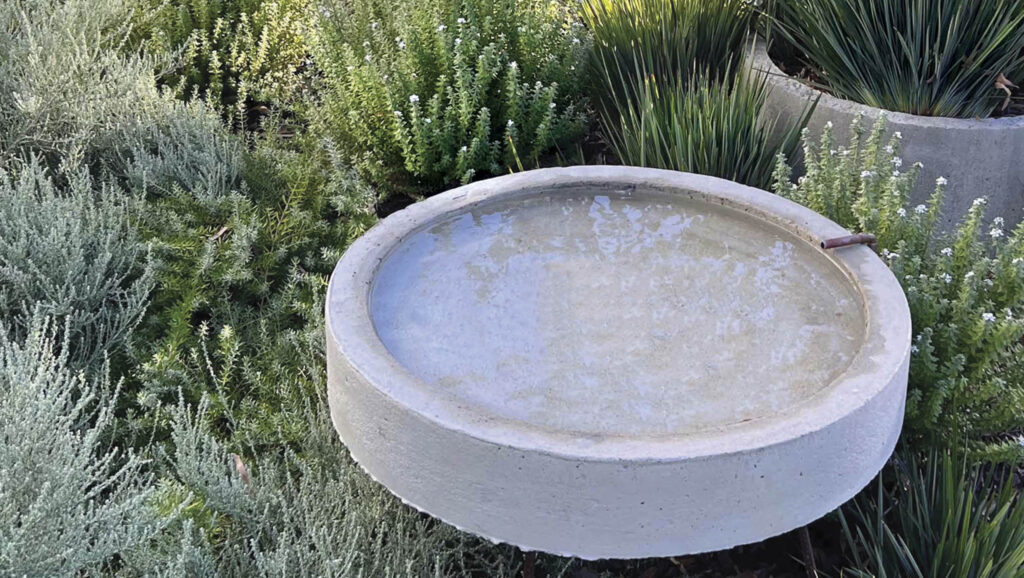
- Add a water source for local wildlife.
Climate changes
According to climate forecasts, gardeners can expect to see more of the following challenges. But it’s not all doom and gloom: garden designers are adapting how they plan, landscape and plant gardens to work with these changes, as shown by the designers featured here.
Victoria
- Summers bring more frequent, hotter heatwaves.
- Winters deliver less rain but heavier downpours.
- Floods, droughts and bushfires intensify.
- Coastal sea levels rise.
NSW & ACT
- Heatwaves stretch longer and occur more often.
- Winter rainfall drops, especially inland.
- Heavy rain events pack more punch.
- Bushfire seasons start earlier and last longer.
Queensland & Northern Territory
- Heatwaves last longer and strike more often.
- Fewer but stronger, wetter tropical cyclones.
- Heavy rainfall increases flood risk.
- Warmer seas stress the Great Barrier Reef.
Western Australia
- South-west WA gets even drier, especially in winter and spring.
- Summers bring hotter and harsher fire conditions.
- Storms intensify.
- Rising seas threaten coastal towns.
South Australia
- Winter and spring rainfall declines.
- Heatwaves grow hotter and longer.
- Droughts intensify.
- Fire seasons become more extreme.
Tasmania
- More hot days than previously.
- Winters stay wet but deliver more intense downpours.
- Coastal sea levels climb.
- Mountain snow cover shrinks.
Cass Dowding asks five landscape designers to talk about how they create resilient gardens in the Early Summer 2025 issue, available in newsagents and selected supermarkets. You can also subscribe here and get an issue delivered to your door!