Considering chooks? Lessons from a first-year chick mum
2026-04-15T13:13:44+10:00
Adding poultry to your backyard takes a fair bit of planning and research. Here's a few ideas from a first-year chick mum to get you started.
Keeping backyard chickens for many is all about the eggs. But this reason alone completely undervalues our fabulous, feathered friends. As a first-year chick mum, I have learnt that chickens are the most generous, hardest backyard workers and they make such a multifaceted contribution to my organic garden – the eggs are really just a bonus.
Getting my chooks
You can start your backyard flock in a few different ways:
- Hatching your own fertile eggs.
- Chicks (from day old to a few weeks old – often unsexed).
- Pullets – anywhere between 1–11 weeks (sexed, female chickens not yet laying).
- Point-of-lay (hens about to start laying).
- Rehoming battery hens.
Being a first-time chicken mama, I thought it’d be easier if I started off with pullets. It’s kind of like how I’d recommend a beginner gardener to start with seedlings, before trying to germinate seeds. However, I wanted a mixed flock and the only way I could find the breeds I wanted was to bring them home as day-old chicks.
Other ideas to consider
Here’s a few more things that are worth considering when starting with chicks:
1 Raising chicks and being able to handle and interact with them from the beginning can lead to friendly, affectionate chickens that develop trust and a bond with you. This makes it easier in the future if you ever need to do health checks or keep them safe.
2 Young chicks need constant heat (day and night) and will quickly die if they’re cold. This is why raising chicks is commonly done over spring/summer. But the weather itself isn’t enough in the initial few weeks of their life – a heat plate and proper brooder set-up is essential.
3 The rooster dilemma is usually the biggest concern when it comes to raising chicks, because they’re often unsexed at this early stage. Most city councils do not allow roosters due to their strong vocals, and the optimum rooster-to-hen ratio is 1:10 or they can get aggressive. But it’s still possible to rehome unwanted roosters – either with a regional chicken-keeping friend or someone who keeps a bachelor flock.
4 As hard as it is, there’s also the possibility roosters will need to be dispatched. It’s important to prepare accordingly – you can either learn the skills to humanely dispatch roosters yourself, or ask an experienced chicken keeper to assist. Once dispatched, don’t let them go to waste. They can be processed for meat to feed your family or pets. I was grateful to know friends experienced with dispatching, I helped with the processing and together we shared the meat.
Note: Raptor sanctuaries may also accept unwanted roosters as food donations. Each sanctuary’s processes will vary so be sure to call ahead to check.
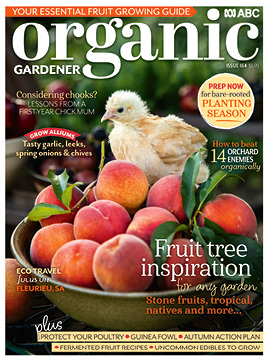
You can read Connie’s full article about her experience with chicks in her backyard in our Autumn 2026 issue. You’ll find it in newsagents and selected supermarkets. Or you can subscribe here to get an issue delivered to your door!