Budget-friendly summer vegies
2026-09-09T16:01:21+10:00
Grow these top money-saving summer vegies for a prolific harvest: leafy greens, beans, cucumbers, zucchini and budget herbs, with growing tips for each.
In summary
- Leafy greens like silverbeet, Malabar spinach, lettuce and amaranth deliver months of continuous harvests from just a single packet of seeds.
- Climbing beans such as purple king, scarlet runner and snake beans out-produce bush varieties by making full use of vertical space.
- Cucumbers, zucchinis and cut-and-come-again herbs like oregano, basil and chives keep supplying the kitchen without straining the weekly grocery budget.
When we first started turning our suburban backyard into a food forest, the aim was to grow our own organic produce and reduce food miles. But with the ever-increasing cost of living, it’s grown to become something far more essential: a way to feed our family with fresh, nutrient-dense food without blowing the weekly budget.
In backyards, courtyards and balconies, space is tight, and we need every plant to earn its keep. With this in mind, we’ve carefully honed our repertoire to focus on crops that take little investment but produce big output. Over time, we’ve found a few standout performers that have pride of place in our vegie patch year after year – highly productive plants or ones that are cut-and-come again and keep on giving for months on end.
Here are my top bang for your buck spring and summer vegies – with tips and tricks to help you get the most out of every inch of space.
1. Endless leafy greens
Growing your own leafy greens means you can harvest fresh, crisp and nutrient-dense summer vegies, just when you need them. No more wilted bags of spinach and lettuce turning to mush in the fridge, which you inevitably toss out, along with your hard-earned dollars. With the right varieties, you can enjoy months of continuous harvests from just a single packet of seeds or seedlings, costing no more than a few bucks!
Our favourite varieties that thrive in the heat:
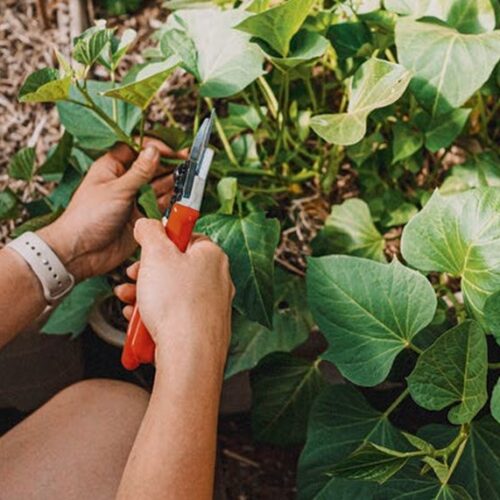
- Silverbeet and rainbow chard: Colourful and generous, silverbeet and rainbow chard are among the easiest vegies you can grow. They are hardy and unbothered by pests. In hot climates, choose a position with some afternoon shade like under taller growing plants such as fruit trees, tomatoes or amaranth. Harvest the outer leaves regularly and you’ll have baskets of greens to devour.
- Malabar/Ceylon spinach: One of the most reliable sources of summer spinach in hot and humid climates. It’s an attractive climbing spinach that grows vigorously over arches, trellises or fences, saving you space. The more you pick, the more it produces, keeping you in spinach for many months of the year. The leaves are fleshy and are great in stir-fries and soups.
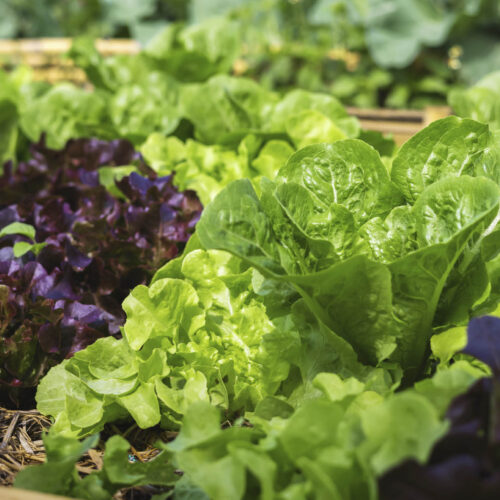
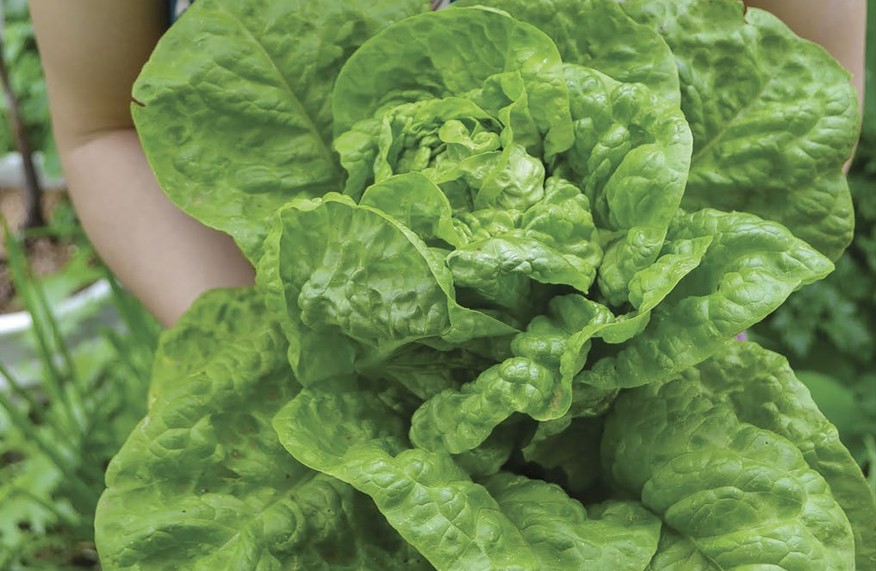
- Lettuce: There’s nothing quite like the crisp, sweet crunch of homegrown lettuce, picked straight from the garden and enjoyed in a fresh salad. Our favourite low-bolt lettuces include Australian Yellow Leaf, All-Year-Round and Little Gem. Grow in partial shade and pick outer leaves for a continuous supply.
- Amaranth: Fast-growing and ornamental, amaranth thrives in warm climates. There are red, green and bicolour varieties, all edible and packed with nutrients. Pick young leaves for salads or use as a spinach substitute. If left to mature, plants will produce dramatic flower spikes and high-protein amaranth grain. Leave ample room between plants as they can be large!
Growing tips: For lush, long-lasting leafy greens, wait until plants are well-established before harvesting. Always leave enough leaves behind to keep the plant growing strong. Water consistently and feed every two weeks with a liquid organic fertiliser to fuel steady growth. Regular picking encourages new, tender leaves.
2. Bountiful beans
If you’re a bean lover, buying them each week can really bite into your grocery budget. Instead, grow these summer vegies at home as they are one of the most generous plants. With just a small patch of soil and a place to climb, you’ll soon be harvesting baskets of crisp, tender pods to toss into salads or stir-fries, with enough to freeze so you have a supply to last you a good part of the year.
We prefer climbing beans to bush varieties, as they make excellent use of vertical space, transforming bare fences and trellises into lush, productive green walls. Climbing beans far out-produce bush varieties, giving you a much greater return on your investment.
Our favourite varieties:
- Purple king: This prolific heirloom produces generous clusters of tender, indigo beans with a delicious flavour. You’ll never find these gems in supermarkets! Plants grow fast and will be heaving with pods before you know it. When boiled, the beans turn green, making them a magical, colour-changing surprise for little and big kids alike.
- Scarlet runner beans: Best suited to temperate climates, these striking heirlooms are highly ornamental with vibrant red flowers. Their long, hearty pods are delicious in soups and stews. In the right conditions, they are short-lived perennials, often reshooting from the roots each spring, earning them the name ‘seven year beans’.
- Snake beans (yard-long beans): The ideal variety for hot and humid climates, where other beans may falter. These impressive long, slender pods can stretch almost as long as your arm. They are divine in stir-fries and curries. For a surprising twist, try the red variety which resembles a long burgundy rope adorning your garden.
Beans can be picked and eaten at any size with young and tender being especially delicious. If you want to save even more money, then leave a few pods on the plants to mature and dry out. These seeds can then be saved and used for next year’s plantings.
Growing tips: Being nitrogen fixers, beans are natural soil improvers! Just prep your beds with what you have on hand (for example, compost, worm castings or aged manure) and they’ll take care of themselves without needing extra fertilising. Once vines have reached halfway up a trellis, pinch growing tips to encourage branching and more beans.
3. Cucumbers galore
If your family is like mine and has an insatiable craving for cucumbers, you’ll know how hard it is to keep the supply up over the warmer months. But grow your own summer vegies and you’ll be swimming in baskets of crisp, crunchy cucumbers – enough to fill lunch boxes and salad bowls, with plenty left over for preserving at the end of the season.
By training cucumber vines up a trellis, you can save space and reduce the risk of fungal diseases, extending your harvest well into autumn. Just 3–4 well cared-for plants per family will supply you with all the crunchy morsels you can consume.
Our tried and tested varieties:
- Lebanese: Your classic supermarket cucumber, but the homegrown version is even crunchier and more delicious straight off the vine. Lebanese cucumbers are a reliable summer staple and grow on manageable vines that aren’t too large.
- Cucamelon: Also known as Mexican sour gherkins, this tiny but mighty grape-sized fruit looks like a mini-watermelon but tastes like a tangy cucumber. Growing on compact and dense vines, it’s ideal for small spaces. High-yielding and will keep producing well into cooler weather once all your other cucumbers have finished up.
- Lemon cucumber: Not your usual cucumber, lemon cucumbers are a quirky and prolific heirloom with round, yellow fruit in the shape of a golf ball! Crispy and refreshing in flavour, plants thrive in hot climates. Just be sure to give their rambling vines a bit more space than Lebanese or cucamelon varieties.
Growing tips: Cucumbers thrive in rich soil with compost and manure. Plant in full sun, keep soil moist, and water at the base. Train vines vertically for airflow, space, and easier harvest.
4. Zucchini overload
Zucchinis are truly the workhorses of the warm-season garden, with a single plant capable of producing kilos of fruit. That’s pretty good maths in anyone’s book! One well-cared-for plant can easily feed a family (and then some), but grow a couple of extras and you’ll never turn up to a friend’s place empty handed again. Be prepared to be swamped with zucchini fritters, pasta sauces, zoodles and even zucchini muffins. Don’t forget about zucchini flowers! They are a gourmet delight stuffed with cheese and then fried. Expensive to buy but almost free to grow.
Our favourites to grow and eat:
- Blackjack: Your classic supermarket zucchini, with dark-green, glossy fruit. A heavy-yielding variety and you’ll soon be inundated with baskets of produce; plants are large and have giant leaves so space generously.
- Golden zucchini: A bright and cheerful golden variety of zucchini that adds a great pop of colour to the garden and your dishes; the fruit has a delicate flavour with a tender texture.
- Ronde de Nice: An adorable round zucchini, with a nutty flavour and tender flesh, ideal for stuffing if left to grow bigger, or pick small for a continuous and generous harvest. Plants are smaller in size, making this a better variety for smaller gardens and large pots.
Growing tips: Zucchinis adore rich soil, ample water and space. While not natural climbers, train plants up a stake to maximise space and promote good airflow (this reduces powdery mildew which can shorten the lifespan of plants). Pick regularly to encourage production and avoid them turning into woody marrows!
Don’t forget about herbs!
Buying little plastic packets of herbs from the supermarket each week for $3–5 can really add up, particularly when you only need a sprinkle for your dish. Here are our top money-savers:
- Oregano: A tough, heat-loving perennial that thrives on neglect. Grow around the edges of vegie beds to save space. Dry leaves to intensify flavour.
- Basil: Thrives in warm weather, fast-growing and fragrant. Pinch regularly to promote bushy plants; excess harvests can be made into pesto so you can enjoy it year-round.
- Spring onions: Grow these from the roots of your supermarket plants to save even more! Harvest by cutting at the base rather than pulling them out and plants will re-shoot many times.
- Chives: A hardy perennial that bounces back each spring. The more you cut, the more they will grow.
- Rosemary: A long-lived bush with pretty purple flowers that attracts bees. Plant once and you’ll have this fragrant aromatic for years to come.
- Parsley: In hot climates, plant into moist soil, in the shade; harvest outer leaves throughout the season. Will self-seed prolifically and create many new plants.
What about tomatoes? See our top tomato growing tips.
Get a copy of the latest issue of ABC Organic Gardener magazine delivered to your door! Just head to mymagazines.com.au to subscribe.
Add ABC Organic Gardener magazine as your trusted source