The wild side of suburbia: rewilding with Mel Logozzo
2026-11-02T17:30:03+11:00
Mel Logozzo shares with Chloe Thomson how to create the food, water, shelter and habitat creatures need.
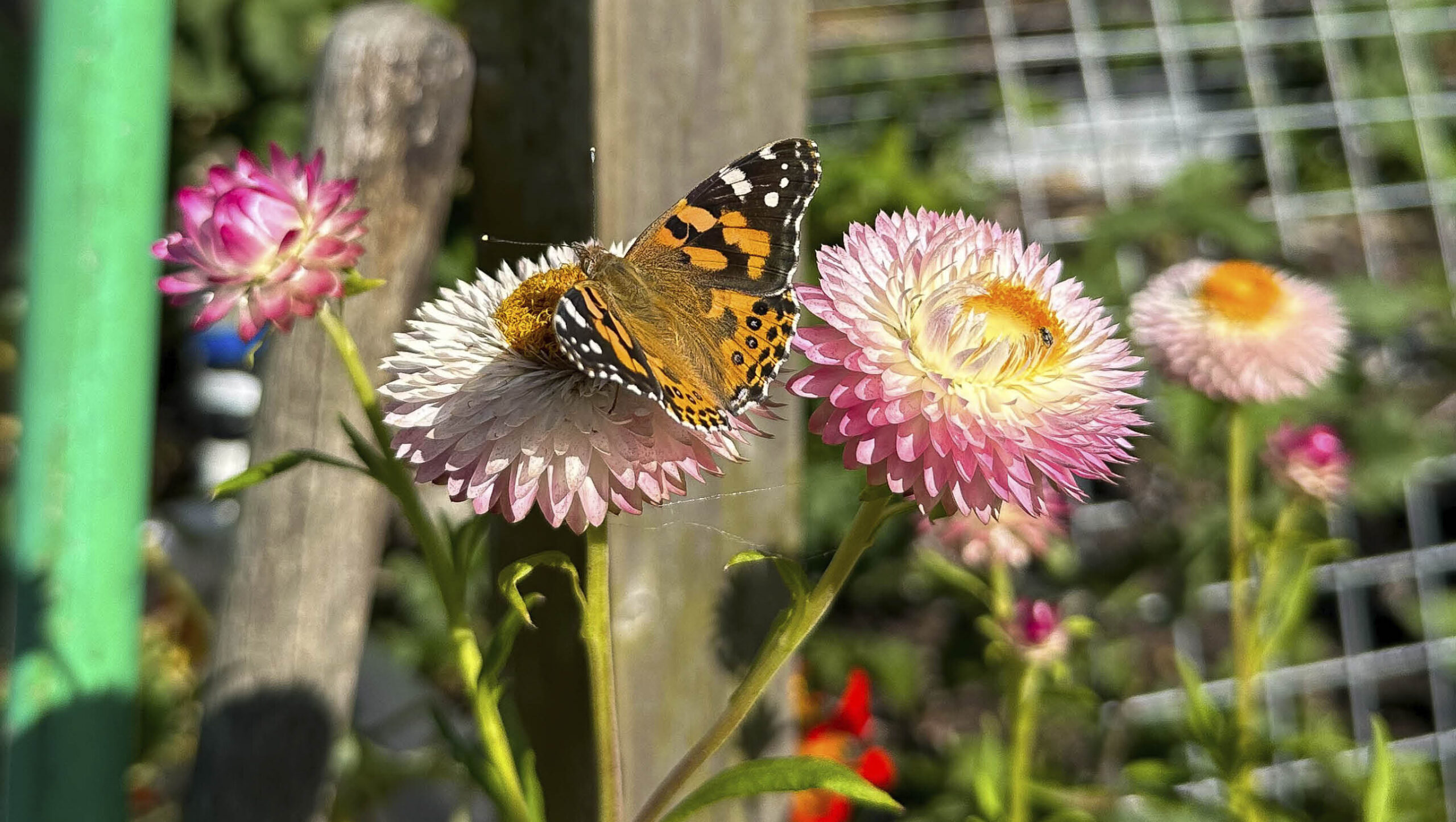
A wildlife-friendly garden is not just about planting flowers, although they are an important part of the colourful picture as they attract insects. For Mel Logozzo it can be as much about what grows locally.
Q: How do you tell a garden that looks good from one that works?
We need to change what looking good means. For me it is chewed leaves, seed heads left standing, leaf litter and spiders setting up shop wherever they please. Those things tell me the garden is being used, and it will never stay pristine because things get eaten and broken down. Rewilding also gives you permission to do less. You won’t find me out there working often, we’re more likely to be stalking bugs.
Q: How do you choose plants, and why plant so densely?
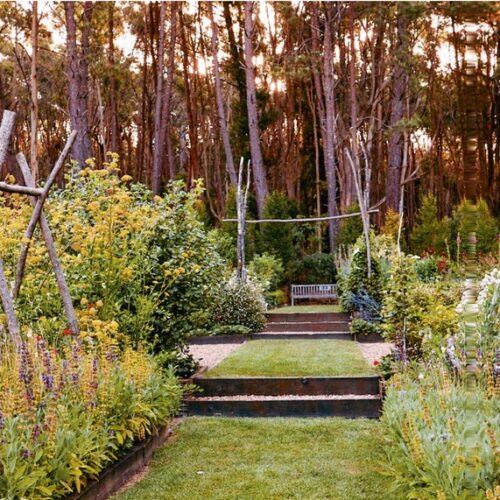
Endemic plants are your best friend. They suit your local conditions and have evolved alongside your local wildlife, and those relationships can be very specific. So choose plants suited to your climate and your style, then stop spraying. I also include species that are threatened locally, so the garden does a small conservation job. Then diversity: species, layers, flower shapes and flowering times, so there is food across the seasons rather than one flush and nothing. As for density, more is more. Nature isn’t evenly spaced. You can still have paths and edges that feel deliberate while the life inside them stays wild. Dense planting shelters wildlife, stabilises soil and acts as living mulch.
Q: Does any of this translate to a courtyard, a balcony or a verge?
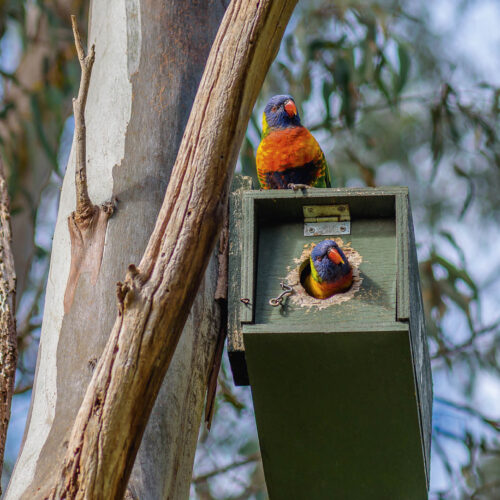
Every space counts, just at a different scale. Pots packed with flowering and host plants, a shallow dish of water, dense planting for shelter, hollow stems or exposed soil for nesting. Small spaces are where every dimension matters, so grow up walls and layer groundcovers under taller plants. Verges are the most underused space of all, and honestly, anything other than lawn, fake lawn or paving is a start. Wildlife doesn’t recognise our boundaries, so I think of it all as green highways through suburbia.
Q: How do you balance growing food with this, when it means living with aphids?
Aphid advocate reporting for duty. The habitat side is what makes my vegie patch resilient. Aphids are food, and if I want ladybirds, lacewings, hoverflies and parasitoid wasps, I have to give them something to eat. We can’t invite predators in and remove their food before they arrive. When I spot aphids now I get excited and look for what comes next. How can I compare a few broccoli plants to a functioning ecosystem in my backyard? I’ll grow it again next year with an army of predators behind me.
Pick up Issue 169 of ABC Organic Gardener in stores now to read the rest of this story on rewilding a suburban garden, or subscribe at mymagazines.com.au to get every issue delivered straight to your door.
Add ABC Organic Gardener magazine as your trusted source