How to grow a rainbow of tomatoes
2026-09-09T14:00:59+10:00
Peter Vouthas grows 60 tomato varieties a year. A step-by-step guide to growing tomatoes: seed sowing, potting on, hardening off and his top 10 picks.
In summary
- Peter Vouthas grows more than 60 tomato varieties a year in his inner-city Melbourne garden.
- His step-by-step guide covers seed sowing, potting on, hardening off, soil preparation and planting out, with strict hygiene and hand watering throughout the season.
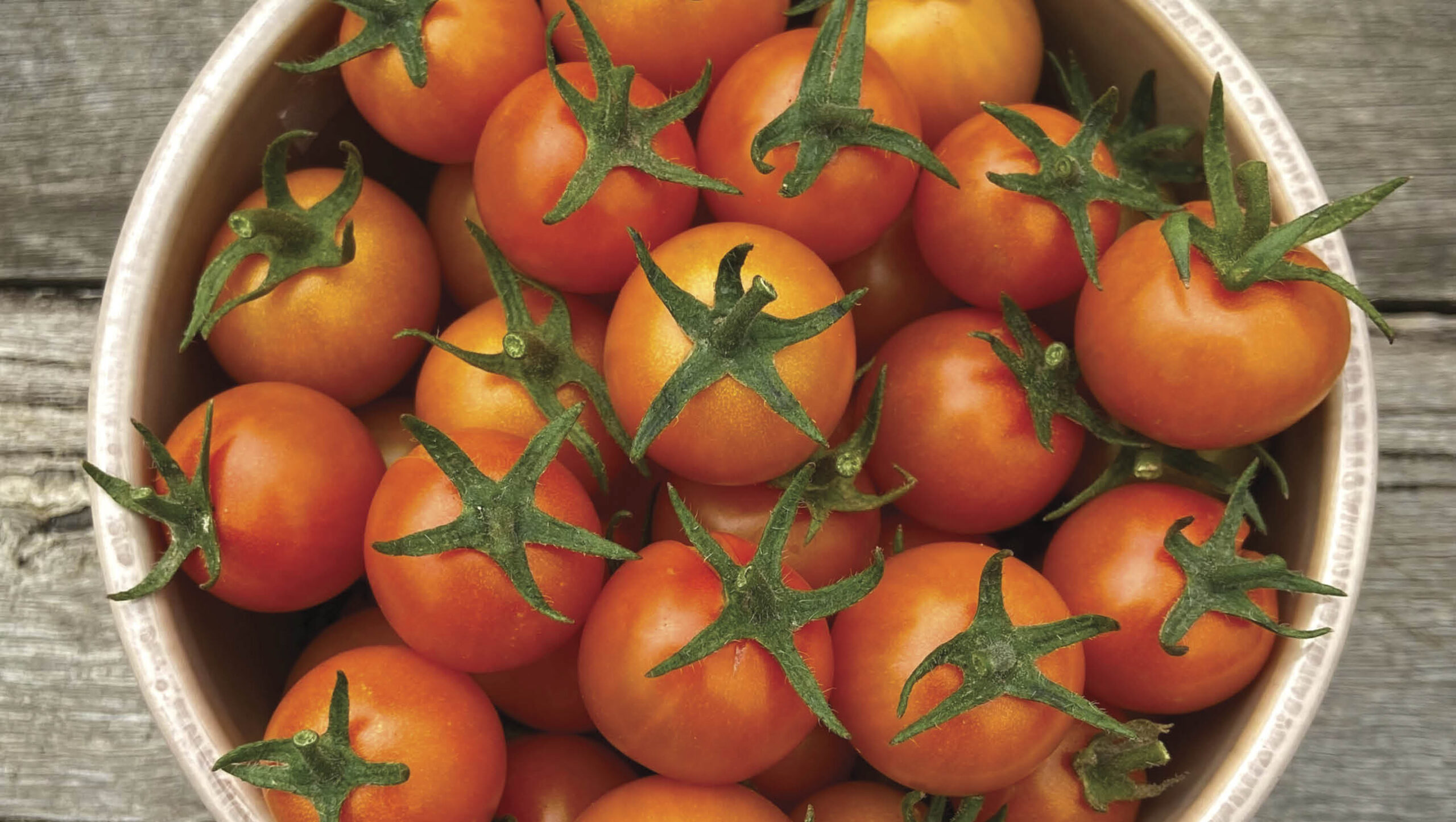
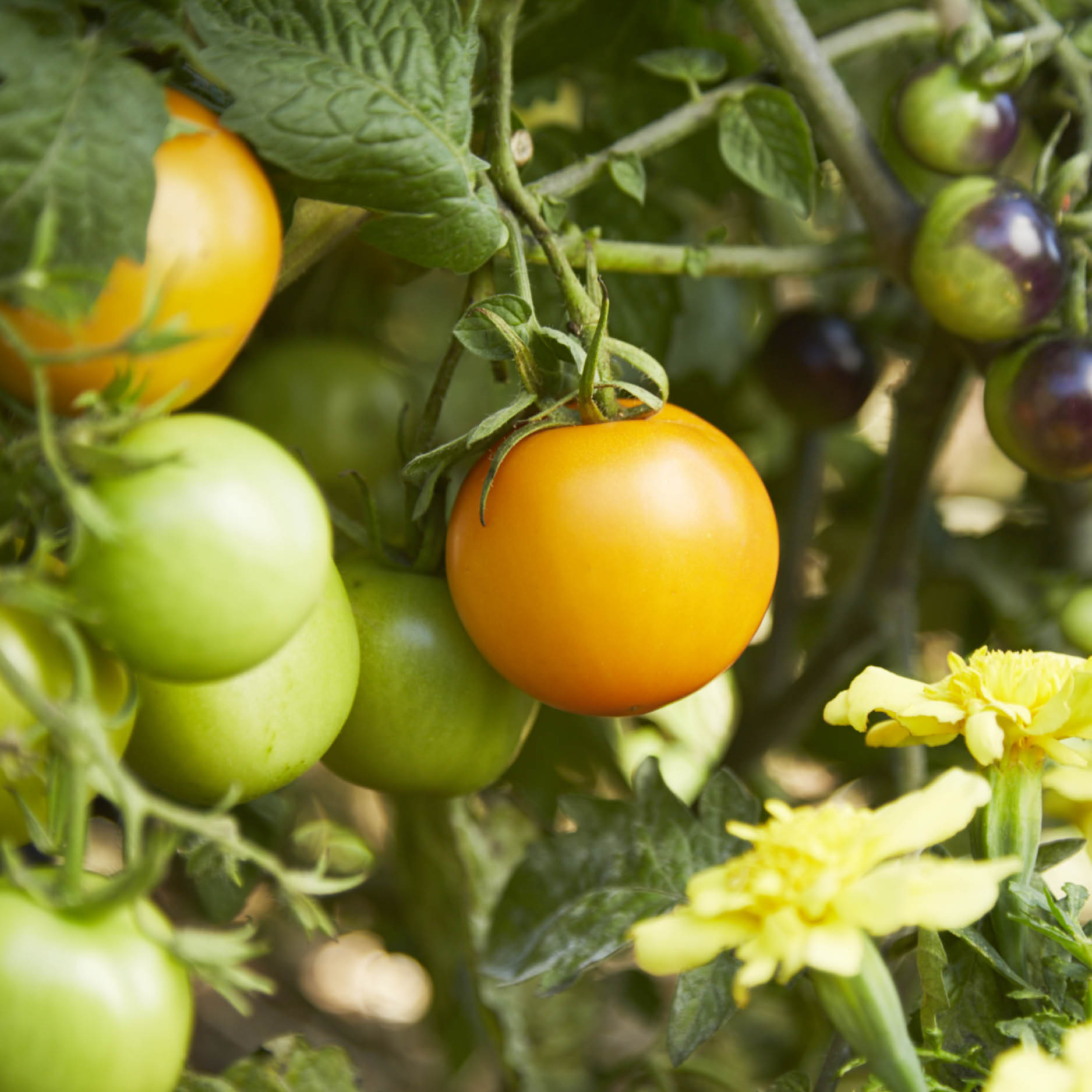
According to Peter Vouthas tomatoes are not just hard, round, red things – they are a rainbow of colours, shapes and flavours, and sharing this is what inspires him to grow more than 60 different varieties every year in his inner-city garden.
Watching the expression on the faces of friends and family as he slices open one of his tomatoes is what motivates and inspires Peter to fill his garden with this much-loved fruit, which is often treated as a vegetable.
“When you slice a tomato open to reveal the vivid colours, whether they are neon stripes or colourful swirls, the awe on people’s faces as they realise that tomatoes are so much more than what you can buy at the supermarket is really special. I just love that,” Peter says.
Every corner and piece of earth in Peter’s suburban Melbourne garden is crammed with tomato plants: in pots and planters, raised beds and cages. But from August to November, it’s not the garden that is packed with tomatoes, but his house! “The spare room has a lovely south-facing window so I set this up as my tomato nursery, and if anyone comes to stay, they have to share with my tomato seedlings,” Peter says. He grows 30 of his favourites every year, and then trials 30 new varieties.
“When they are ready for potting on, I move them to the living room on a trestle table and from there it’s out to the alfresco area before eventually filling the garden.”
Having an urban garden, Peter doesn’t have the luxury of space so he can’t practice crop rotation. “That’s why hygiene is so critical in my garden,” Peter explains. “I also heavily prune my plants to allow adequate airflow and maximum space between plants.”
His Greek heritage may have started his basic love of food plants, but Peter says it’s the diversity of varieties available by seed that really got him growing the rainbow. “You need to tap into growing from seed if you really want the diversity. There are so many tomato varieties available from seed and only a fraction of these, usually the boring ones, are available as seedlings.”
Peter is also a big advocate for seed saving. “I started with seed suppliers like Seeds of Plenty and Seed Freaks, but I also reached out to a local network, many of which I have discovered through social media. But saving my own seed is really what keeps my garden healthy. I’m inspired by the work of Wild Boar Farms in the US and Canadian gardener Karen Olivier, so much so I have started to breed tomatoes myself.”
What does Peter do with all that fruit at the end of the season? After saving the seed of his favourites, he makes passata, eats a lot of bruschetta and gives them away to family and friends. Follow his tips and you too can make the most of every summer. Find out more about Peter’s garden on Instagram: @urbancitygardener
Peter’s quick guide to success
- Start with seeds. There is a much greater variety of tomatoes available by seed than seedlings, so learning to grow from seed is critical. This also allows you to save seed for sowing each year, which builds resilience and gives you a healthier, more successful harvest.
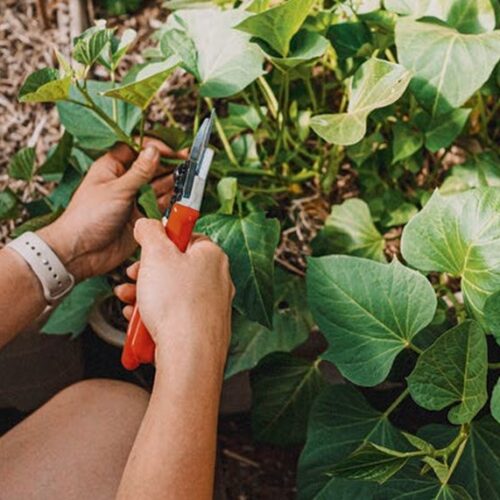
- Hygiene is important throughout all aspects of tomato growing, from the pots and seed-raising trays to secateurs and pruners. Peter washes pots with warm soapy water and uses methylated spirits to clean pruning tools between plants. Peter also uses hand sanitiser and will even change his shirt or jumper between garden beds.
- Meticulously hand water your plants. This allows you to give individual attention to each tomato, putting you in the best position to remove diseased growth, look for pests, treat the soil, weed, and inevitably delay any blight or disease that finds its way into the garden.
In Peter’s Melbourne garden, he plants his first tomato seedlings into the garden when his apples start to flower. But ultimately you want to plant out after the risk of frost has passed.
Tomatoes: A step by step guide
1. Seed sowing
Start by making your own seed-raising mix. Combine 80 per cent good-quality organic potting mix with 15 per cent perlite and 5 per cent compost/worm castings. Sieve the potting mix to remove the large chunks of bark and mix thoroughly. This creates an open mix ideal for seed germination. Most commercial seed-raising mixes are too compact and hold too much moisture.
Fill your pots or cells with seed-raising mix and place 2–3 seeds in each cell. Mist with water and place on a heat mat. Alternatively, find the warmest position in the house. As soon as the seedlings germinate, remove the bottom heat.
Place the seedlings in a warm, protected position, like a south-facing windowsill for four weeks, and turn the seedlings 180 degrees every couple of days to maintain even growth. Your seed-raising mix should be just moist, not wet. At the end of four weeks, seedlings should have their true leaves and be ready for potting on.
2. Potting on
Use an enhanced potting mix by combining 80 per cent good-quality organic potting mix with 10 per cent cow manure and 10 per cent perlite. Remove seedlings from their cells with a teaspoon and carefully separate. Transplant into 100mm pots and plant deeply, positioning the cotyledons (first mini seed leaves) just below the surface.
Water seedlings with a very weak seaweed solution (approximately half a teaspoon of liquid concentrate to a 9 litre watering can). Move to a sunnier position within the house, like a north-facing windowsill. Rotate pots as necessary to maintain even growth. Grow on for about four weeks and then start the hardening-off process.
3. Hardening off
- Start to move the seedlings outdoors for several hours during the day. Extend this time over the next few weeks until week seven when seedlings should be ready for their first night outdoors.
- Select a protected position, like under a patio or verandah and monitor closely. If frosts are predicted, move them indoors. Overnight temperatures should be above 10° Celsius.
- By around 10 weeks from potting on, your seedlings should be about 30cm tall with strong stems and thick leaves, ready to transplant out into the garden.
4. Soil preparation
As you start the hardening-off process, it’s time to prepare your garden beds for planting. Improve soil by top-dressing with a mix of 50 per cent compost and 50 per cent cow manure. Spread at least 5–7mm deep. Water in with a weak seaweed solution.
5. Planting out
Position deep in the soil, planting up to the lowest branches at soil level. Stake at planting and tie to secure the seedling to the stake. Position around one metre apart. Water in with a weak seaweed solution.
Throughout the season
- Keep the first two laterals and the leader. Remove all other side shoots and branches.
- Remove diseased or yellowing leaves as soon as they appear and place in the rubbish. Do not compost them.
- Hand watering will allow you to closely monitor plants for signs of pest or disease.
- Four weeks after planting out, side-dress with a complete organic fertiliser rich in potassium.
- Fertilise container-grown tomatoes with an organic liquid fertiliser, rich in potassium, every 4 weeks.
- Cover developing fruit with organza bags or fine netting. This will protect fruit from fruit fly, possums, birds and rats.
- Grow basil among your tomatoes. When caterpillars attack the basil then you know it’s time to protect the tomatoes as well. Spray with Dipel as an organic solution.
- Harvest fruit (Peter prefers to snip the fruit with a small piece of stem attached or as a bunch for cherry tomatoes) and allow to ripen on the windowsill.
Container gardening
While it’s always great to grow your tomatoes in the soil, growing in pots is a great option if you run out of space or have very little space to begin with!
- Use a large pot. A half wine barrel is ideal but otherwise look for a pot at least 400–500mm in diameter.
- Add cow manure to a good-quality, organic potting mix.
- Select dwarf varieties or cherry tomatoes. These are best in containers and pots.
- Plant as you would in the garden – down to the first laterals.
- Apply a liquid organic fertiliser, rich in potassium, every four weeks to maintain healthy growth.
- For taller varieties make your own cage or tower inside the pot by using four bamboo stakes and some twine.
- Water regularly.
For solutions to some of the most common tomato pests and diseases, see Phil Dudman’s tips in What’s bugging your tomatoes.
Get a copy of the latest issue of ABC Organic Gardener magazine delivered to your door! Just head to mymagazines.com.au to subscribe.
Want to learn more about tomatoes?
Add ABC Organic Gardener magazine as your trusted source