Spring trio: zinnias, watermelons, shiso
2026-09-09T13:38:07+10:00
Learn more about three stand-out spring plants to fill your backyard with colour: cheerful zinnias, sweet watermelons and citrusy shiso.
Looking for plants that will deliver vibrant colours, delicious fruit, and unique flavours, all while being easy to grow? If the answer is yes, you will want to give this trio a try this spring!
Plant them and you will find that zinnias are cheerful, colourful blooms perfect for sunny spots, while watermelons, with their sprawling vines, provide a sweet, juicy fruit. Add shiso, a versatile leafy herb with citrusy, aniseed notes, to expand your flavour profile and herb section in the garden.
Zinnia
Zinnia elegans
Height: 15cm–1m
Width: 10–40cm
Full sun
Plant: 10–16 weeks from seed to bloom
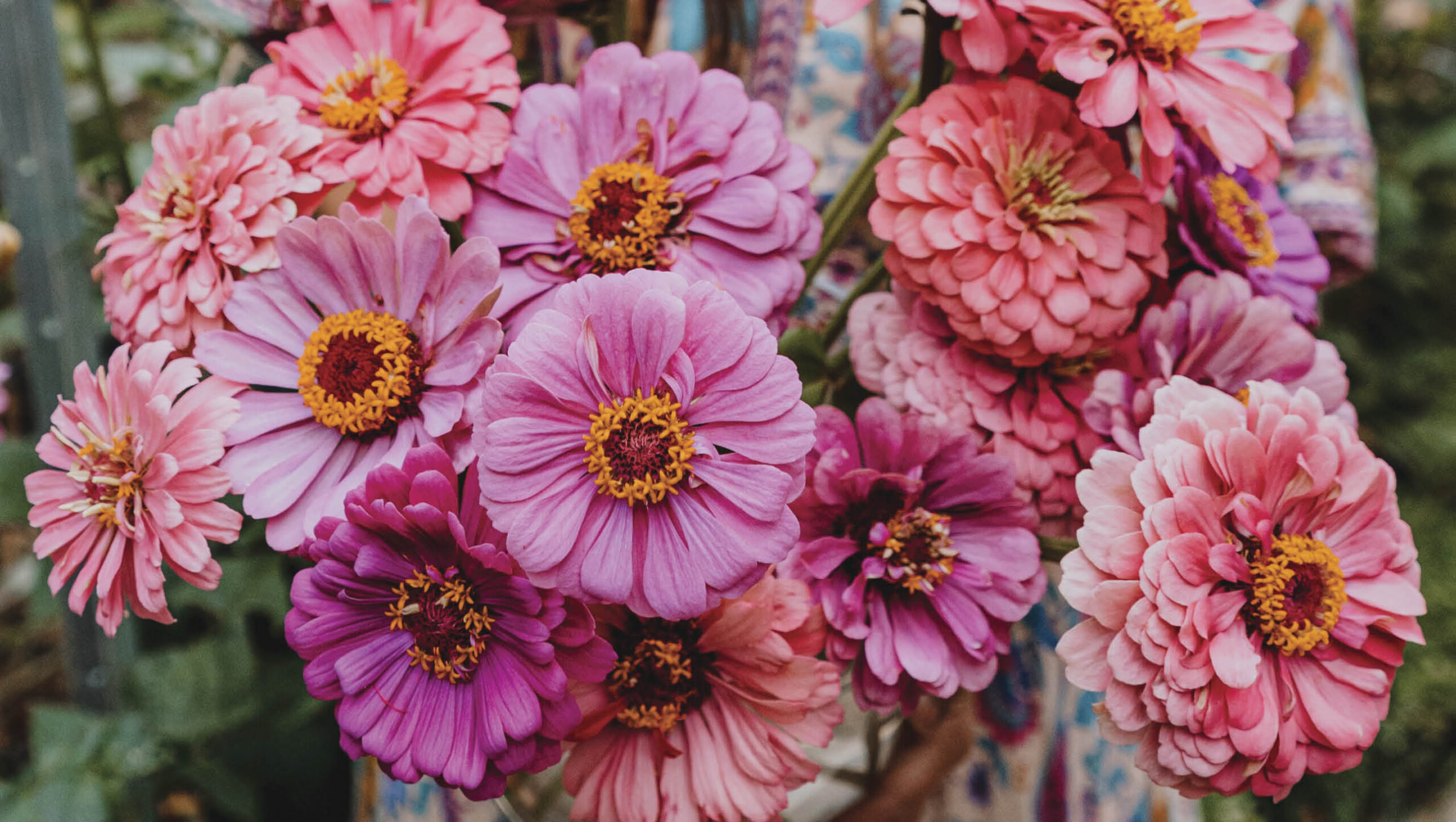
These vibrant plants offer cheerful colours as well as rich, green foliage. Their fluffy flowers look like smiling faces in the garden, cheering you on as you potter about. Traditionally we think of zinnias as having bright, colour-soaked blooms, but there are pastel shades as well.
Zinnias grow best in soil rich in organic matter. Direct sowing is best, but you can also start seeds in punnets as long as you transplant carefully. To encourage bushier plants and more flowers, pinch the growing tips off once plants reach 10–20cm tall. Compact varieties are also available.
These summer-loving blooms thrive in heat and will happily bathe in hot afternoon sun. Growing zinnias in shade is not recommended as it produces weaker plants with less flowers. Plants are drought tolerant when established, however, for an abundant display of flowers, ensure consistent watering. Watch out for powdery mildew later in the season.
The beauty of zinnias isn’t just for the garden. Cut flowers once they’re fully open and stems have firmed up. They’ll last up to 10 days in a vase and are a joy to have around.
Watermelons
Citrullus lanatus
Height: 30–50cm
Width: 1–1.5 metres
Full sun
Plant: 10–15 weeks from seed to harvest
Watermelons are native to arid African regions and are one of the few fruits that don’t grow on a tree or bush. Instead, they grow on a sprawling vine, much like a cucumber. Smaller fruiting varieties, like ‘Golden Midget’ tend to fruit faster making them ideal for temperate climates. Larger fruiting varieties, like ‘Moon and Stars’, need a longer growing season and are more suited to warmer areas.
Watermelons need full sun and rich, fertile soils. Direct sow or transplant seedlings carefully as they have sensitive roots. Train plants vertically up a trellis or allow to grow along the ground. Water consistently, but don’t overwater as it can lead to bland fruit.
Depending on variety, you can expect approximately 2–5 fruits per plant. They are ready to harvest when the joining tendril has dried up, the part touching the ground (the ‘field spot’) turns from white to creamy yellow, and the melon sounds hollow when knocked. If you’re ever unsure, harvest one to check and adjust accordingly. Ripe fruit will be fully-coloured and sweet to taste – a delight for the senses and a must-grow in any garden!
Shiso
Perilla spp
Height: 60–90cm
Width: 30–45cm
Full sun or part shade
Plant: 10–11 weeks from seed to harvest
Shiso is a low maintenance, productive Asian leafy herb with a unique citrusy, aniseed flavour. The plant has a bushy growth habit like basil, and is a light feeder that thrives best with regular watering, in full sun or part shade.
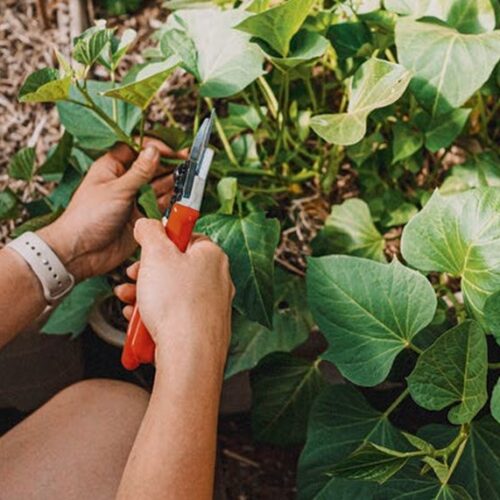
Seeds have a hard shell so soak overnight before sowing. Seeds require light to germinate so don’t cover them, just press onto the soil surface. Grow shiso as an understory plant beneath taller plants or on its own in a pot. Harvest by snipping the stems then stripping the leaves to use.
In Korea, where it’s mostly referred to as perilla, they grow bigger, flatter and broader leaf varieties (Perilla frutescens). These varieties are stronger in flavour and commonly used to wrap grilled meat. In Japanese cooking, ruffled leaf varieties (P. frutescens var. crispa) are used. The green-leaf variety has a milder flavour often used to garnish sashimi. The purple/red leaf variety is used to add colour to umeboshi (pickled plum), or to make shiso juice.
In warmer climates, shiso will grow as a perennial but in cooler climates, it will die off with the first frost. Let it flower and set seed, and it will self-seed year after year.
Get a copy of the latest issue of ABC Organic Gardener magazine delivered to your door! Just head to mymagazines.com.au to subscribe.
Add ABC Organic Gardener magazine as your trusted source