A garden for little birds
2026-08-24T00:00:00+10:00
Discover how native shrubs, grasses and water can restore vital habitat for fairy-wrens, thornbills and other little bush birds in your garden.
In summary
- Little bush birds like fairy-wrens and thornbills are vanishing from suburban gardens due to lost habitat and insect populations.
- Underplanting with native shrubs and grasses, regular mulching and providing water can bring these birds back to backyards.
- A 2023 study found native insect numbers rose almost five-fold within a year of greening a small Melbourne parklet with 12 indigenous species.
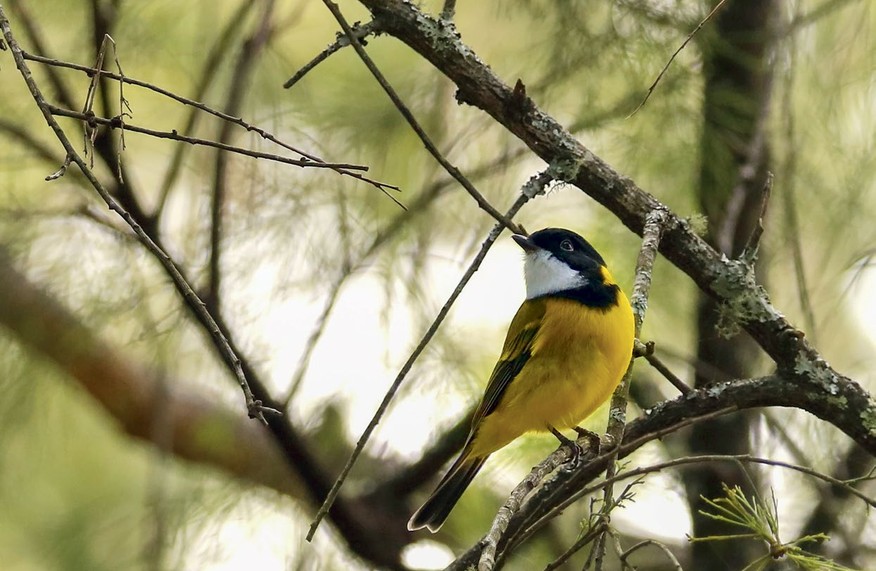
These days many gardeners rarely share their backyards with a twittering family of fairy-wrens or a yellow robin looking for worms. The loss of little bush birds from our gardens can sometimes go unnoticed, but with the right planting choices we can re-create the richly flowering habitat they need.
Suburban backyards used to be larger and more biodiverse, and by result were a stronghold for all manner of insect-eating little birds, including fantails, thornbills and scrubwrens. Their disappearance from our backyards is primarily due to the loss of habitat (for nesting and roosting), and the loss of insects that require diverse plants to survive.
The average backyard is so often lawn heavy with, if we’re lucky, a tree or two. Worse still, small ‘gardens’ in new estates are often finished with fake turf!
Unfortunately, many gardens are missing the smaller, shrubbier plants and grasses that provide a safe place for little birds away from cats, foxes and ‘bully’ bird species. Without these thickets of habitat plants, insects and little birds are seen less and less in suburban gardens.
If we start underplanting with a variety of native shrubs and grasses, mulch regularly and provide water, these primary needs for little birds are fulfilled and they can return to our backyards.
Creating your own bird haven
The great news is, a small bird-friendly garden is very achievable.
A 2023 study published in Ecological Solutions and Evidence looked at the change in insect richness after greening a small urban parklet in Melbourne. This park originally hosted just two plant species (kikuyu lawn and two spotted gum trees). One year after weeding and planting 12 indigenous species, native insect numbers had increased an estimated 4.9 times from the original baseline (three years later it was 7.3 times).
You can imagine the downstream benefits to local birds from not only this increased habitat, but also the new buffet of insects this greening effort created.
I love this study because it proves you don’t need much space to help native critters – and it doesn’t take a great deal of effort either. Simply underplanting below established trees or along fencelines builds habitat in your garden without using ‘productive’ growing space.
Pick up Issue 167 of ABC Organic Gardener in stores now to read the rest of this story on backyard bird habitat, or subscribe at mymagazines.com.au to get every issue delivered straight to your door.
Add ABC Organic Gardener magazine as your trusted source