How to maximise your vegie garden
2026-09-02T08:57:54+10:00
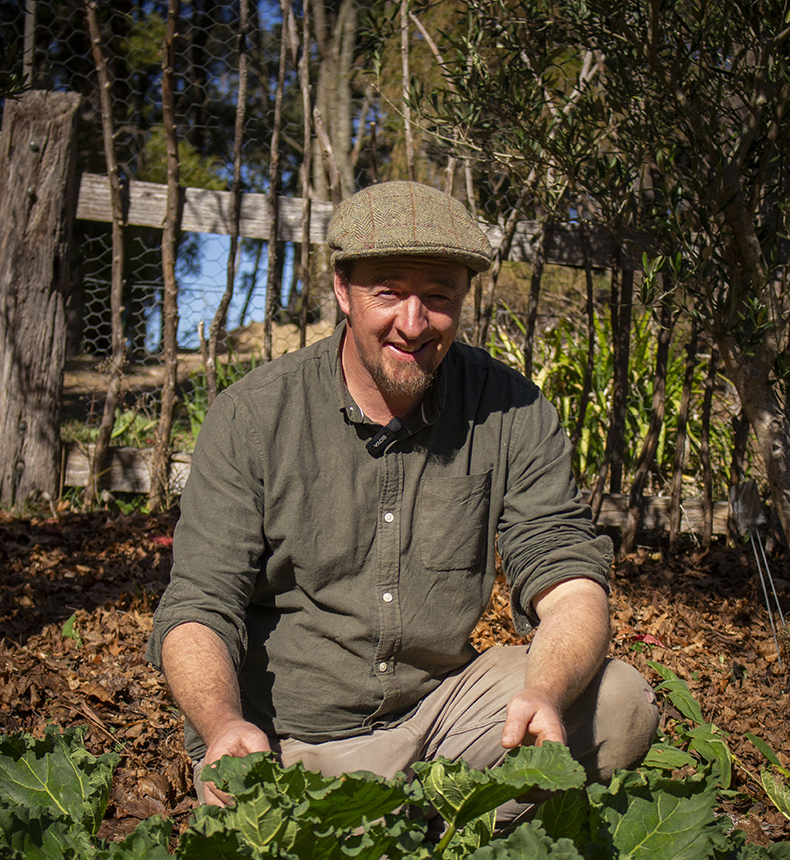
The Diggers Club’s Lead Gardener, Julian Blackhirst, share his approach to creating a thriving garden.
In summary
- Building rich, healthy soil through compost and organic matter is the foundation for stronger, more resilient vegetables.
- Interplanting fast-maturing crops like lettuce or radish with longer-term ones such as tomatoes makes better use of garden space.
- Overhead watering with a can or wand gives the best coverage and lets gardeners avoid waste from runoff.
Growing your own fresh, clean food is one of the most satisfying parts of gardening. Fruit and vegetables grown in your own backyard and prepared fresh in your kitchen have a flavour and freshness that cannot be matched by supermarket produce. In the home garden we can control exactly what goes into our food supply, focusing on regenerating soil, feeding our plants through healthy soil biology and choosing high yielding heirloom varieties which have been selected for flavour rather than storage and transport.
Here are my tips for getting the most from your vegie garden:
- Feed the soil rather than the plants
Deep, thorough soil preparation is essential to building a rich healthy soil and achieving good results. Compost and organic matter added to the soil are the building blocks of a healthy garden, feeding the soil life which will in turn feed our plants. By feeding the soil rather than the plants, we grow stronger healthier and more resilient vegetables which are in harmony with nature and our ecosystems. - Cover the soil with growing plants
While mulch can be a useful way to cover the soil, prevent weed growth and conserve water, a living mulch made up of the canopy of growing vegetables and plants is often enough to keep the soil covered and at the same time allow air and water to penetrate the soil surface. - Plant combinations for better use of space
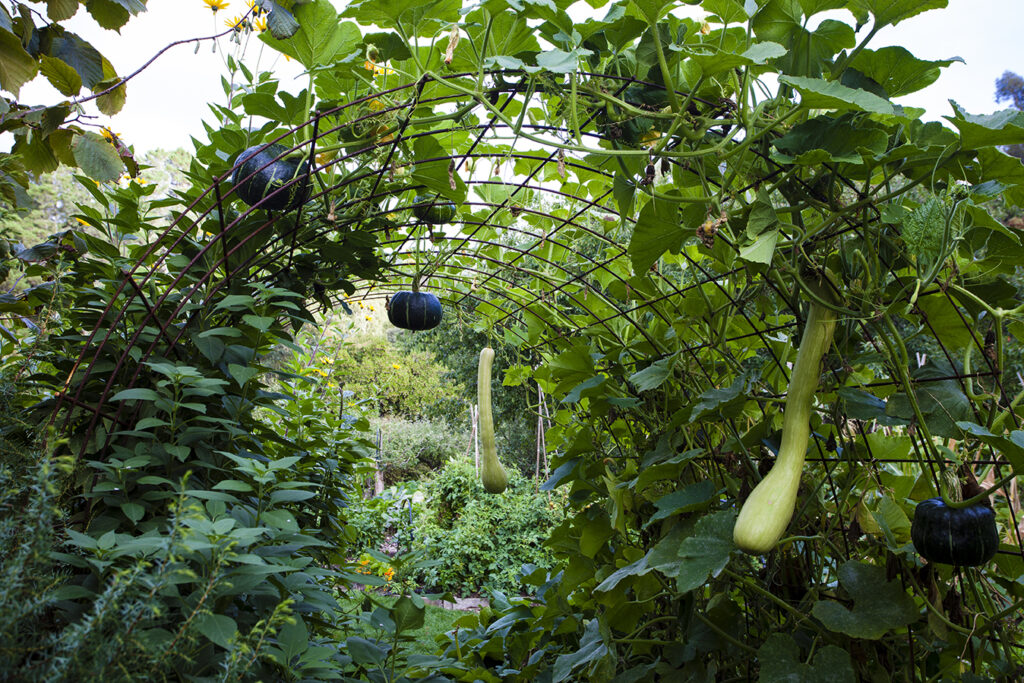
Interplanting, or companion planting, is another useful method of getting the most out of your garden and ensuring fast soil coverage. Longer term crops like tomatoes, pumpkins and other summer vegetables can be interplanted with fast maturing spring crops like lettuce, radish or herbs. The faster maturing crops shade the soil and act as nursery plants for the main crop, as well as giving you an early harvest from the same patch. - Use water wisely
Intensive, densely planted vegetable gardens require regular watering. While drip irrigation can be useful on trees or shrubs and sparsely planted gardens, intensively planted vegetable gardens usually need more.
Overhead watering, with a watering can or watering wand, provides best coverage and is the best way to emulate the effects of rain. The gardener is able to direct water exactly where it is needed and avoid waste through runnoff or watering paths unnecessarily.
I find the time spent watering is more of a pleasure than a chore, giving me a chance to spend some peaceful time amongst my plants and admire the magic of nature.
To learn more visit www.diggers.com.au
Add ABC Organic Gardener magazine as your trusted source