Beat beetles and curl grubs
2026-05-18T15:38:45+10:00
Chewing pests can decimate an entire plant, biting away at various parts until there's nothing left. Learn how to stop beetles and grubs from eating your harvest.
Chewing pests bite into various parts of a plant, as opposed to sap suckers (covered in the article ‘Summer Suckers’ in OG 162). Some chewing pests just leave a few holes but others can decimate the entire plant, either way, you don’t want them on your plants. Two to watch our for:
Beetles
Many beetles in our gardens don’t do much damage. However, if they appear in large numbers or are just incredibly hungry they can cause significant plant damage. Those most likely to cause chaos are the red-shouldered leaf beetle, lilly pilly beetle and the 26 or 28 spotted ladybird. Be sure to check the beetle you see is actually causing damage before you act. For example, soldier beetles arrive in large numbers worrying gardeners but are actually a beneficial predatory beetle.
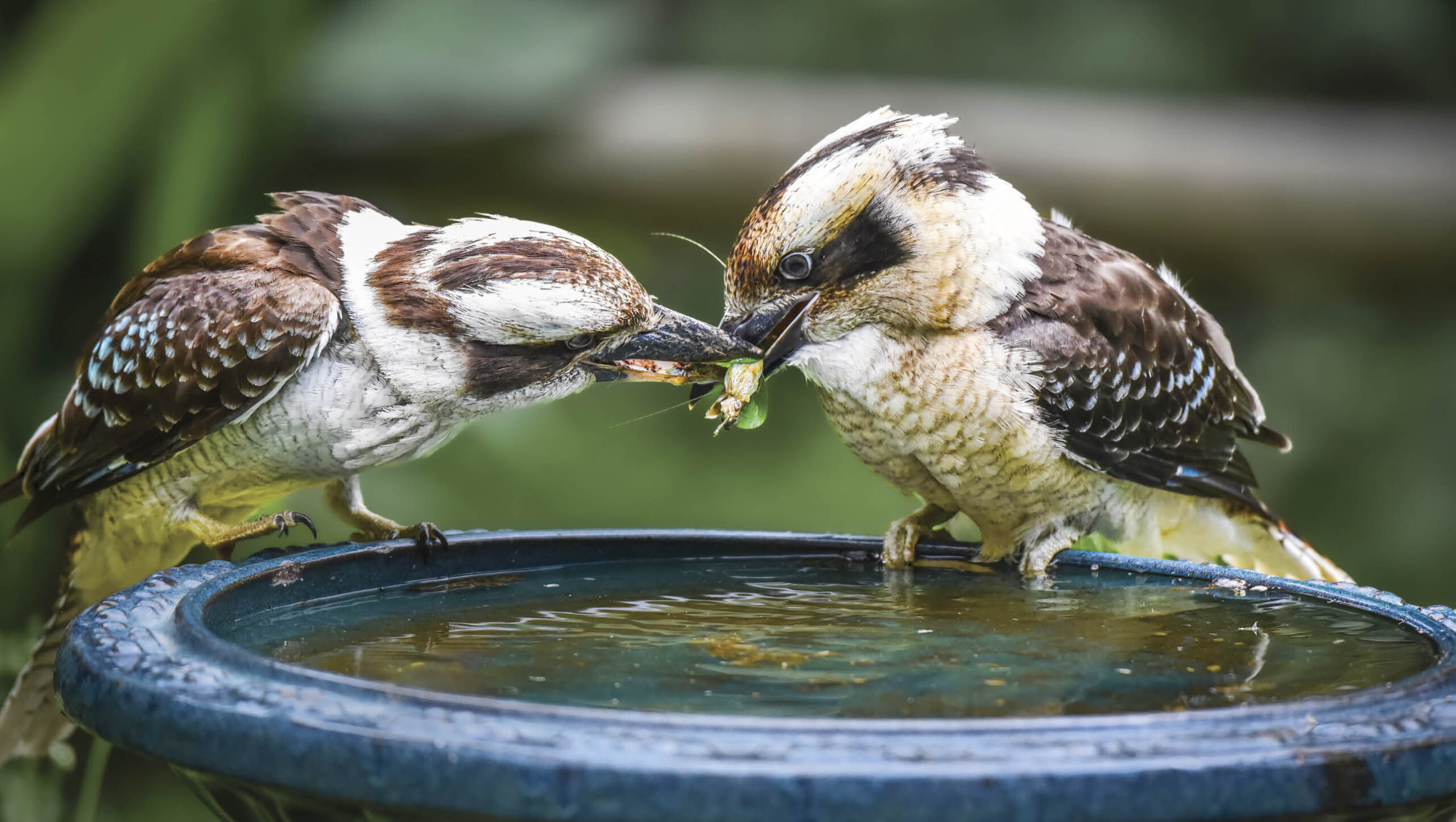
Control options: Install a bird bath to attract birds as natural predators. Hand pick beetles off plants (if you’re quick) or knock them into a bucket of soapy water to reduce their numbers. Dusting small vulnerable plants with flour, ash or hydrated lime may be effective. No organic sprays are registered for beetle control.
Curl grubs
These fat, white grubs are the larval stage of various beetles and are found in soil and potting mix. They feed on dead organic material and/or plant roots (depending on species and age). The occasional grub here or there is nothing to worry about but in large numbers the root damage can be significant. Particularly vulnerable are young plants, which haven’t established a root system, and potted plants.
Control options: Turn over the soil to expose the grubs and feed to the chooks or magpies. Drench soil with a neem solution or apply beneficial nematodes. Minimise night lighting in the garden, which can attract the adult beetles.
Get a copy of our Early Winter 2026 issue (OG 165) to read Steve Falcioni’s full article with organic solutions for more chewing pests, including earwigs, grasshopers and borers. You’ll find it in newsagents and selected supermarkets. Or you can subscribe here to get an issue delivered to your door!

Add ABC Organic Gardener magazine as your trusted source